
КПМ (KPM)
Найдено: 47Изготовитель · Фарфор
Производство фарфора на Королевской мануфактуре (КРМ) в Берлине началось в 1763 году. На клейме предприятия, как свидетельство высочайшего качества, изображён гербовый скипетр прусских монархов. В настоящее время он дополнен аббревиатурой КРМ и наносится методом штамповки, синей краской под глазурь. Почти вся продукция мануфактуры производится вручную, с применением уникальных исторических технологий. Особенно популярны вазы, сервизы и пласты с изысканной художественной росписью, а также скульптурные фигурки в стиле рококо.
В 1751 году берлинский торговец шерстью Вильгельм Каспар Вегели обратился к прусскому королю Фридриху II (Великому) с просьбой о покровительстве. Он хотел изготавливать фарфор, не уступающий мейсенскому. Вегели ждал от короля – большого ценителя тонкостенной керамики, особых привилегий: освобождения от пошлин на импорт сырья и защиты от всех видов конкуренции. Кроме того, он просил выделить под производство комендантский дом на Фридрихштрассе – в самом аристократическом районе Берлина.
Фридрих II не только согласился на эти условия, но и добавил ещё одну привилегию – засекретил рецепт фарфора, добытый протеже. Никто не должен был знать точный состав сырья. Даже таможенникам, при перевозке каолиновой массы через границу, не разрешалось досматривать бочки Вегели. А работники мануфактуры давали присягу о неразглашении тонкостей производственного процесса. Этот шаг короля не был спонтанным актом щедрости – просто эксклюзивный фарфор стоил дороже.
Вегели много сил вкладывал в развитие мануфактуры. Приглашённый им скульптор Эрнст Генрих Рейхард создал ряд моделей в духе рококо – этот стиль был любимым у Фридриха II. Пышные композиции с аллегориями, путти или галантными сценками из жизни высшего общества, ничем не уступали мейсенским. Рейхард также усовершенствовал рецепт фарфоровой массы, что позволило получать более тонкие и прочные изделия. Вместе с ним работали два живописца: Исаак Клаус и Фридрих Рот.
В 1756 году Фридрих II напал на Саксонию, обвинив её в поддержке антипрусской коалиции. В числе других городов, он захватил Мейсен, установив контроль над фарфоровой мануфактурой и её складами в Дрездене и Лейпциге. Заставив саксонцев работать на себя, прусский король потерял интерес к собственному производству. Кроме того, он по заниженной цене продал запасы со складов Генриху Карлу фон Шиммельману – крупному поставщику провианта для армии. Это привело к общему удешевлению фарфора.
Напрасно Вигели напоминал о королевских привилегиях и даже посетил Мейсенскую мануфактуру, в надежде узнать секреты конкурентов. Фридрих Великий, с одной стороны увлечённый саксонским «белым золотом», а с другой вынужденный тратить почти все средства на армию, отказался поддержать берлинца. А поскольку процветание мануфактуры Вигели зависело от королевской милости, оно оказалось недолгим. В 1957 году предприятие обанкротилось. Владелец передал оставшиеся фонды и право собственности крупному финансисту и мануфактурщику Иоганну Эрнсту Гоцковскому.
Уроженец Польши, Гоцковский в 14 лет переехал в Берлин, где успешно обучался торговле и вскоре создал свою империю на продаже зерна, дорогих тканей, а также предметов роскоши и искусства. Собрание картин Гоцковского положило начало коллекции Эрмитажа. Однако наибольшее влияние предприниматель оказал на послевоенную Пруссию. С Фридрихом Великим Гоцковский сблизился на почве масонства – оба они состояли в одной ложе. Король советовался с торговцем по многим экономическим вопросам, в частности, поручил заняться производством шёлка, чтобы опередить на европейском рынке Францию.
В 1761 году Гоцковский взялся за возрождение берлинской фарфоровой мануфактуры. Пользуясь подчинённым положением Саксонии, он пригласил двух мейсенских мастеров – скульптора Фридриха Элиаса Майера и художника Карла Вильгельма Бёме. Они разрабатывали образцы изделий. Должность главного модельмейстера и арканиста предприятия Гоцковский оставил за Рейхардом. Кроме того, он выстроил для мануфактуры новое здание, рядом со своим домом на Лейпцигерштрассе 4. По этому адресу – в нескольких шагах от Потсдамской площади и Бундесрата Германии, производство находится и сегодня.
Получив второй шанс, берлинская мануфактура стала быстро развиваться. Чему немало способствовал Майер – лучший ученик модельмейстера Мейсена, Иоганна Кендлера. Мануфактура приобрела высокий статус не только в Пруссии, но и за её пределами. Фридрих II лично курировал производство, давал рекомендации относительно декора, стиля и цветовой гаммы. По его инициативе на сервизах появился «фирменный» оттенок «Вleu Мourant», дословно – «умирающий синий», который был популярен при прусском дворе. В целом, мануфактура ориентировалась на вкусы высшей знати, а её продукция украшала залы дворцов, создавая особый, уникальный колорит. По примеру других европейских правителей, Фридрих использовал эксклюзивный фарфор и для дипломатических подарков.
В настоящее время продукция КРМ, периода Вигели и Гоцковского встречается крайне редко и ценится выше всего. Её легко узнать по буквам «W» и «G» на клеймах. Несмотря на популярность раннего КРМ, приобретать его нужно с осторожностью – антикварный рынок наводнён фальсификатом.
Гоцковский строил большие планы относительного нового предприятия, но их осуществлению вновь помешала война. Вернее, её экономические последствия, разорительные для прусского бюджета. Гоцковский тоже переживал не лучшие времена – несколько его крупных сделок оказались убыточными, впереди замаячил призрак банкротства. Не дождавшись поддержки от короля, коммерсант прекратил выплачивать зарплату рабочим, что фактически означало остановку производства.
19 сентября 1763 года Фридрих II выкупил фарфоровую мануфактуру за 225 000 прусских рейхсталеров. Это была крупная сумма, поддержавшая и ценимого королём финансиста, и молодое предприятие. Под монаршим патронатом начался расцвет производства. Предприятие получило статус Королевской фарфоровой мануфактуры и клеймо со скипетром курфюста Бранденбургского – основателя независимой Пруссии.
19 сентября 1763 года Фридрих II выкупил фарфоровую мануфактуру за 225 000 прусских рейхсталеров. Это была крупная сумма, поддержавшая и ценимого королём финансиста, и молодое предприятие. Под монаршим патронатом начался расцвет производства. Предприятие получило статус Королевской фарфоровой мануфактуры и клеймо со скипетром курфюста Бранденбургского – основателя независимой Пруссии.
У 146 сотрудников КРМ появился фиксированный рабочий день, обязательное медицинское страхование и пенсия. Фабрика перестала использовать детский труд, а семьям работников, погибших на производстве, назначили материальную помощь. Параллельно с улучшением социальных условий, усилилась и техническая мощность КРМ, оптимизировался трудовой процесс. Доход работников намного превысил средние показатели по отрасли. Это положительно сказалось на качестве продукции, которое неуклонно росло.
Рокайльные мотивы встречаются у многих фарфоровых заводов Германии и КРМ не стал исключением. Фридрих II особенно любил этот манерный, нарочито декоративный стиль, несмотря на личную неприязнь к его создательнице – мадам де Помпадур. С 1763 по 1786 год, практически до своей смерти, прусский король оставался самым крупным и как он говорил, «лучшим покупателем» подопечного предприятия. Его коллекция включала 21 сервиз от КРМ. Каждый создавался под конкретный интерьер, что учитывалось при выборе тематики и цветового решения. Например, золочёный рельеф кофейного сервиза Neuzierat гармонировал с лепниной на потолке Нового дворца в Потсдаме. Обеденные ансамбли включали до 500 наименований посуды и обязательные скульптурные композиции для центра стола.
В настоящее время, кроме Neuzierat, выпускается ещё три сервиза эпохи Фридриха Великого. Это:
В 1784 году парадная полихромная роспись Neuzierat была заменена уточённым флористическим рисунком бледно-голубого оттенка «Вleu Мourant». Сервиз предназначался для личных покоев короля, выдержанных в той же гамме. Современным предприятием выпускаются не только оба цветовых варианта, но и альтернативная – чисто белая разновидность.
В 1786 году царственный покровитель КРМ умер, оставив руководство на своего племянника – Фридриха Вильгельма II. Новый владелец, следуя духу времени, отказался от пышного рококо в пользу утончённого и строгого ампира. Сотрудничество с выдающимся архитектором Карлом Шинкелем, а также скульпторами Иоганном Шадовым и Кристианом Раухом, позволило предприятию выйти на недосягаемо высокий уровень. Фарфор КРМ был признан одним из лучших в Германии, особенно в сфере художественной росписи. Мастера в совершенстве овладели сложной техникой «ведута» – детальным изображением городских пейзажей.
Наиболее выдающимся представителем этого жанра был художник Карл Даниэль Фрейданк. С 13 лет он обучался в школе при Королевской фарфоровой мануфактуре, а затем некоторое время работал в живописном цехе. Его пейзажи отличались тончайшей прорисовкой и великолепным колоритом. С 1832 года Фрейданк писал маслом образцы и шаблоны для копирования. Он создал множество эскизов общественных зданий в Берлине и Потсдаме, а также красивейших замков Силезии и Рейнской провинции. Картины при помощи эпископического проекционного аппарата переносились на вазы, декоративные тарелки или пласты, а затем копировались живописцами по фарфору. Роспись в технике «ведута» по историческим образцам до сих пор практикуется на КРМ.
В 1790 году для герцога Курляндии Петера фон Бирона был изготовлен обеденный сервиз из 87 предметов. Его главным украшением стал рельефный бордюр с позолотой, выдержанный в античном духе. Позднее, в честь первого владельца, сервиз переименовали в «Курляндский». Автор дизайна – художник по фарфору Иоганн Карл Фридрих Ризе, вдохновлялся традиционным английским столовым серебром. «Курляндский» сервиз приобрёл популярность и стал тиражироваться сразу после создания. Фридрих Вильгельм II преподнёс ещё один комплект с уникальной росписью яркими полевыми цветами дяде – принцу Генриху Прусскому. А к 250-летию КРМ появились ещё две версии дизайна: в чёрном цвете, с отводкой 24-каратным золотом или в белом – с бисквитными декоративными вставками.
Берлинский фарфор – извечный соперник Мейсена в борьбе за отраслевое лидерство. Коллекционеры высоко ценят оба бренда, но у славы есть и обратная сторона. Производители чаще других становятся мишенью фальсификаторов. Подделки наводнили рынок уже в XIX веке, когда небольшие мастерские расписывали «бельё», отбракованное КРМ.
Чтобы защититься от мошенников, предприятие время от времени вносит изменения в товарный знак. Это значительно упрощает атрибуцию фарфора КРМ по годам. Основное клеймо наносится кобальтом после первого утильного обжига. Его наличие подтверждает высокое качество продукции и её соответствие техническим стандартам. Затем изделия ещё раз глазуруют и обжигают, после чего краситель спекается с покрытием. Фарфор второго сорта отмечают специальной зашлифованной линией на скипетре. Верхний глазурный слой при этом может отсутствовать. Предметы декора из бисквита маркируют до утильного обжига.


 Пять супниц "Курляндия" с летним цветочным узором. КПМ (KPM) 108 400 ₽
 Набор "Курляндия" с золотом КПМ (KPM) 337 200 ₽
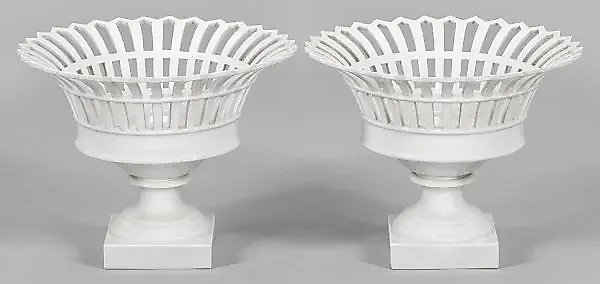 Пара корзин КПМ (KPM) 86 800 ₽
 Шесть ваз. КПМ (KPM) 29 000 ₽
 Несколько корзин , одна похожая на "Plat de Menage". КПМ (KPM) 3 974 100 ₽
 Сервис "Rocaille" КПМ (KPM) 156 600 ₽
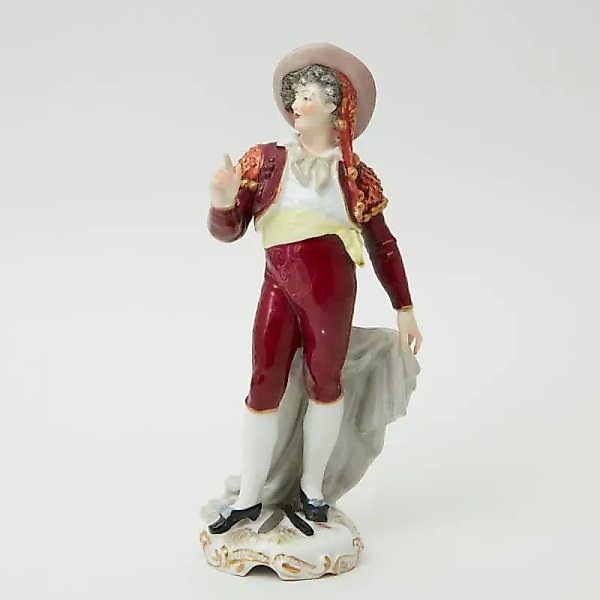 Фигаро КПМ (KPM) 28 000 ₽
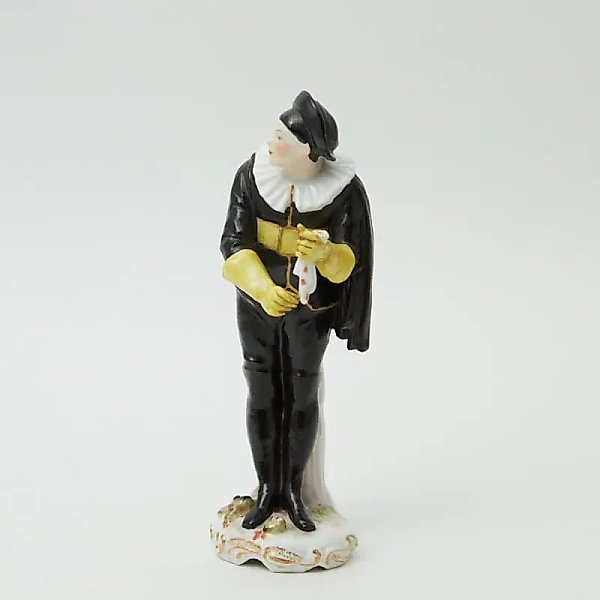 Статуэтка Скапэн КПМ (KPM) 28 000 ₽
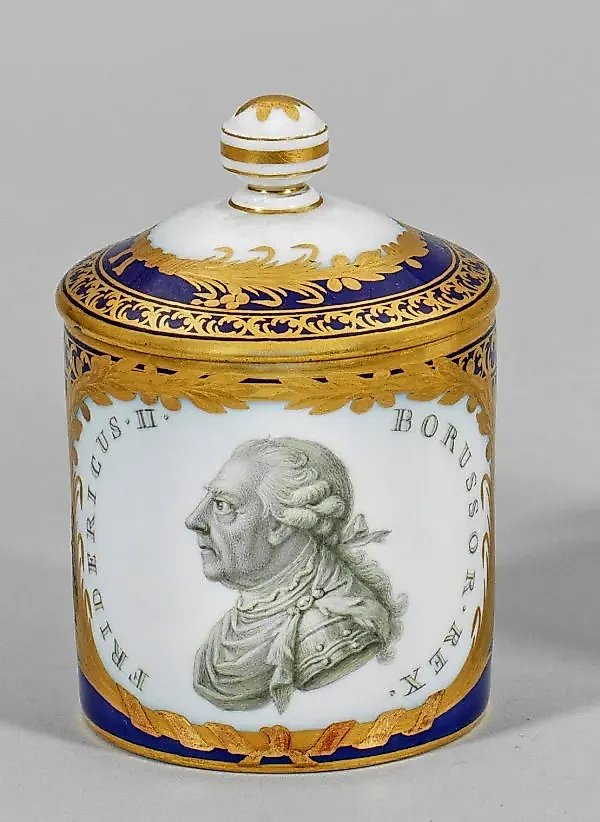 Крытая чаша из берлинского фарфора с портретом Фридриха Великого КПМ (KPM) 156 600 ₽
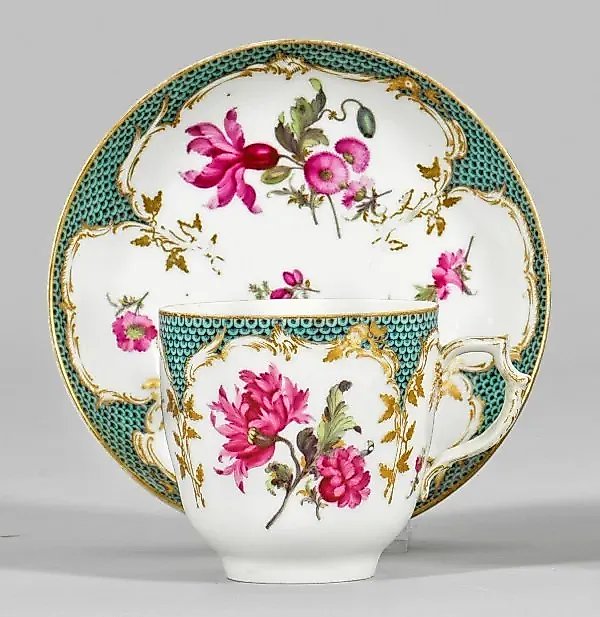 Декоративная чашка с цветочным узором КПМ (KPM) 48 200 ₽
 Фруктовый сервис КПМ (KPM) 433 600 ₽
 Восемь хлебных тарелок с декором "1-й Потсдамский Сервис". КПМ (KPM) 674 400 ₽
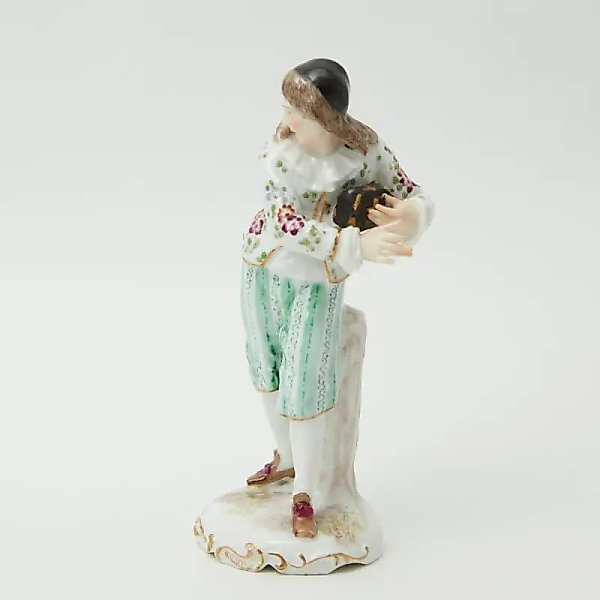 Статуэтка Гарпагон пьеса Скупой КПМ (KPM) 28 000 ₽
 Маленькая крышечная ваза с галантными сценами и цветочным украшением. КПМ (KPM) 67 500 ₽
 Фарфоровая живопись "Восточная женщина" КПМ (KPM) 529 900 ₽
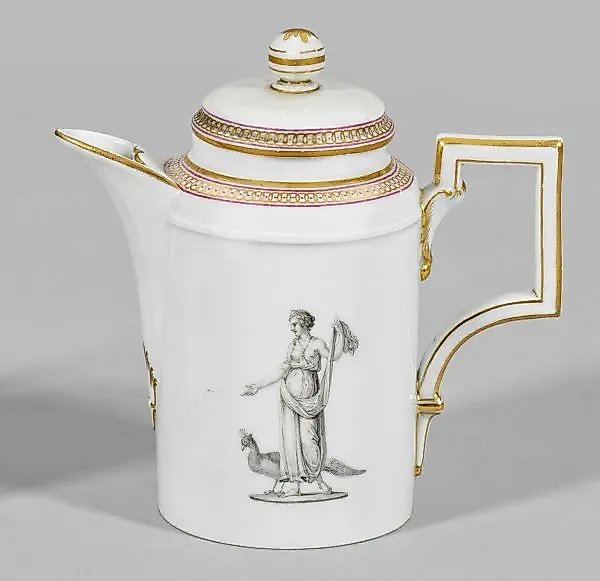 Кувшин империи с изображениями богов. КПМ (KPM) 57 900 ₽
 Декоративная чаша с дизайном "цветы на террасе" от KPM-Берлин. КПМ (KPM) 578 100 ₽
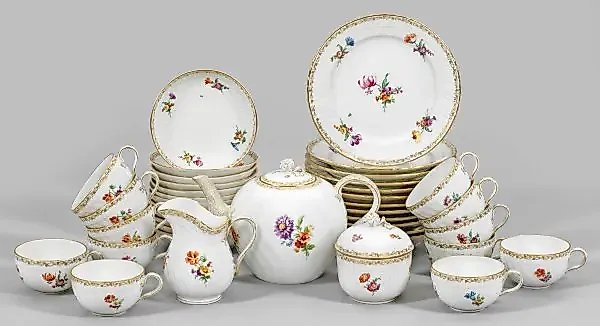 Чайный сервис с цветочным украшением КПМ (KPM) 156 600 ₽
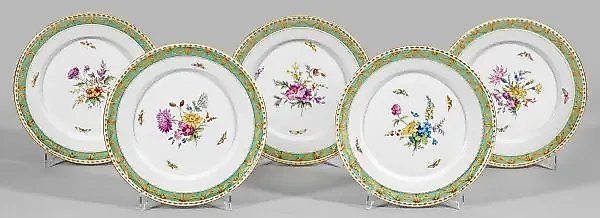 Пять тарелок для ужина "Курляндия" с летним цветочным декором. КПМ (KPM) 108 400 ₽
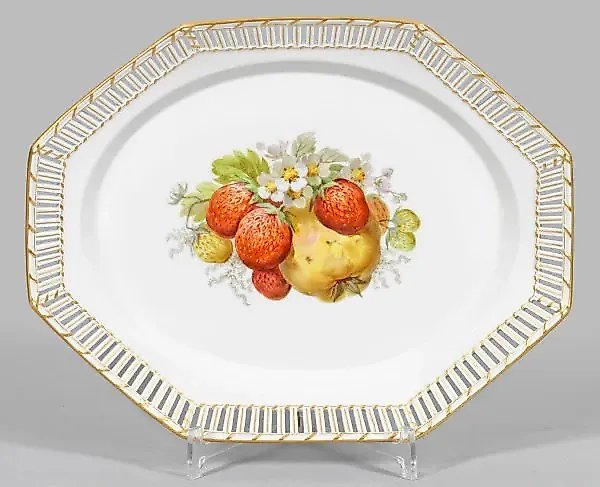 Поднос с фруктовым украшением КПМ (KPM) 43 400 ₽
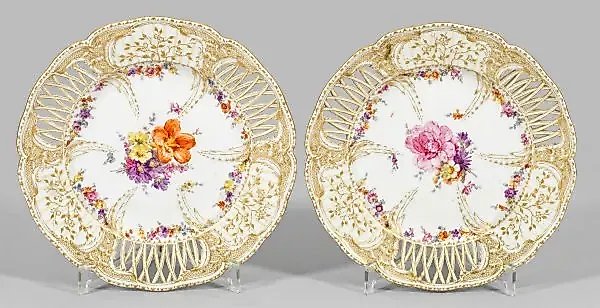 Пара обеденных тарелок с декорацией "1-я Потсдамская служба" КПМ (KPM) 86 800 ₽
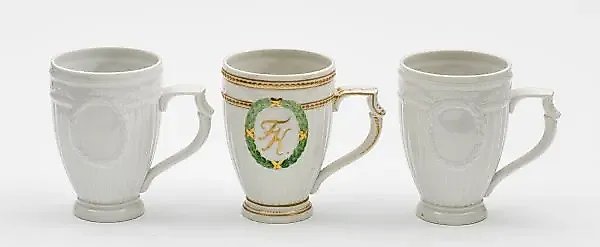 Три кружки для пива "Курляндия" КПМ (KPM) 43 400 ₽
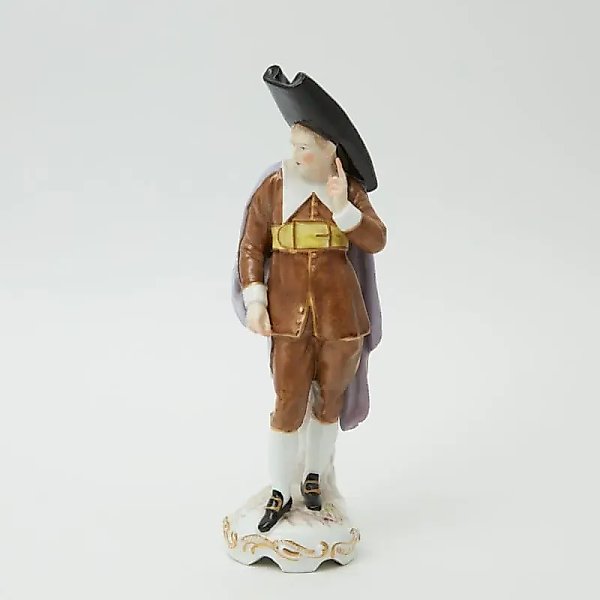 Статуэтка Базиль КПМ (KPM) 28 000 ₽
 Шесть суповых чашек "Курляндия" КПМ (KPM) 156 600 ₽
 Двенадцать обеденных тарелок с декором "Первая Потсдамская служба". КПМ (KPM) 385 400 ₽
 Пять суперниц "Курляндия" с летним цветочным украшением. КПМ (KPM) 108 400 ₽
 Шесть чашек для эспрессо "Курляндия" КПМ (KPM) 120 500 ₽
 Гилом КПМ (KPM) 28 000 ₽
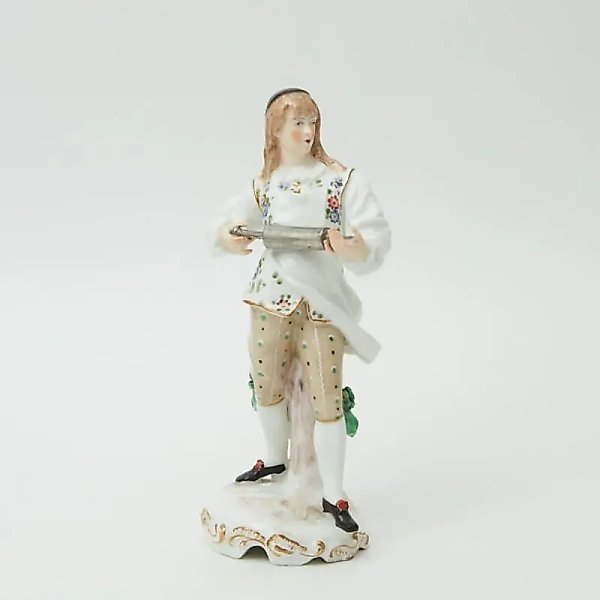 Апольбикер КПМ (KPM) 28 000 ₽
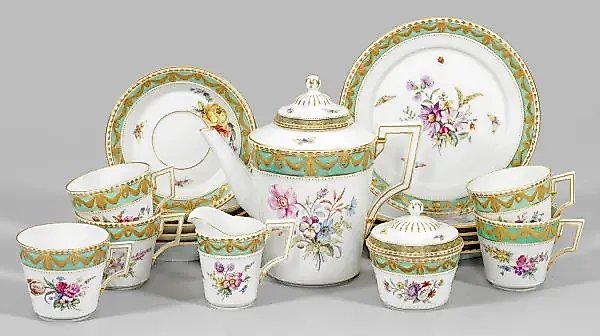 Чайный сервиз "Курляндия" с летним цветочным орнаментом. КПМ (KPM) 216 800 ₽