Porcelain, earthenware, ceramics
Meissen (Meissen)

Porcelain Factory
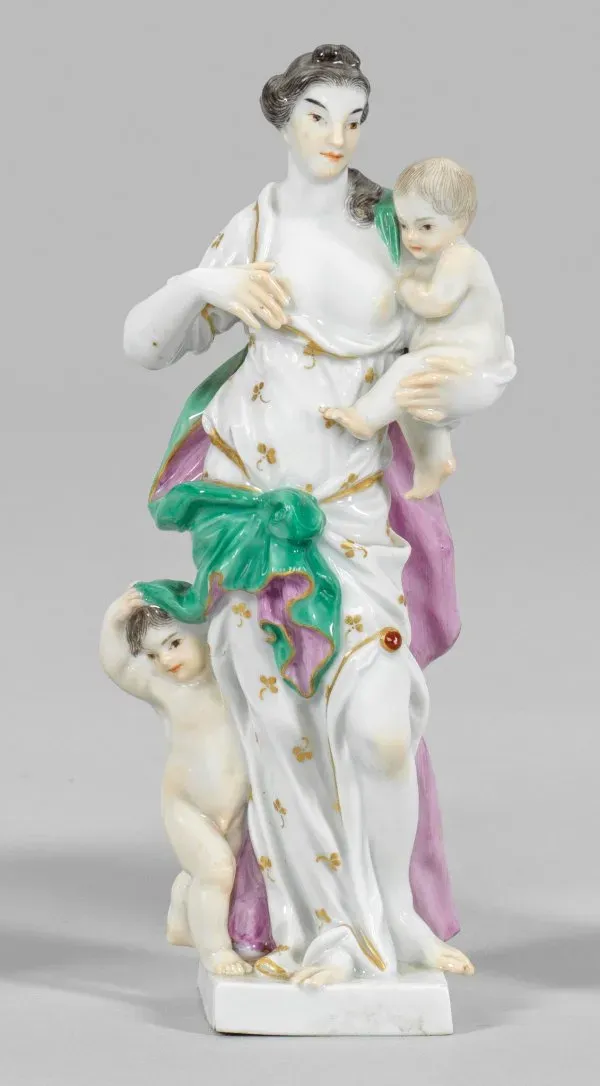
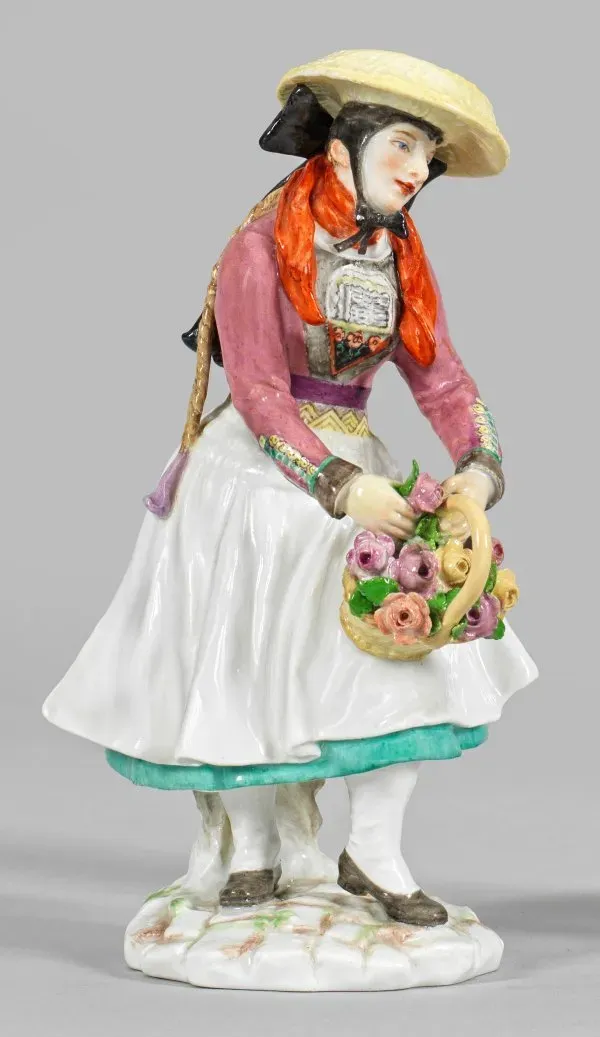
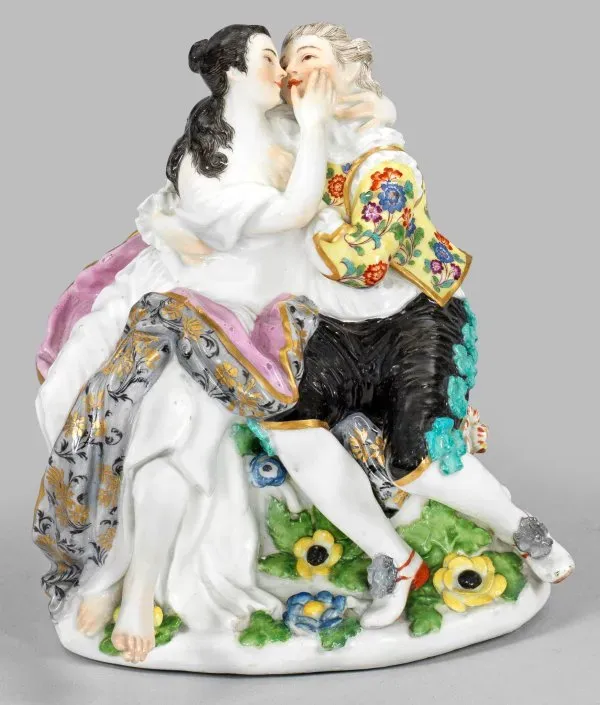
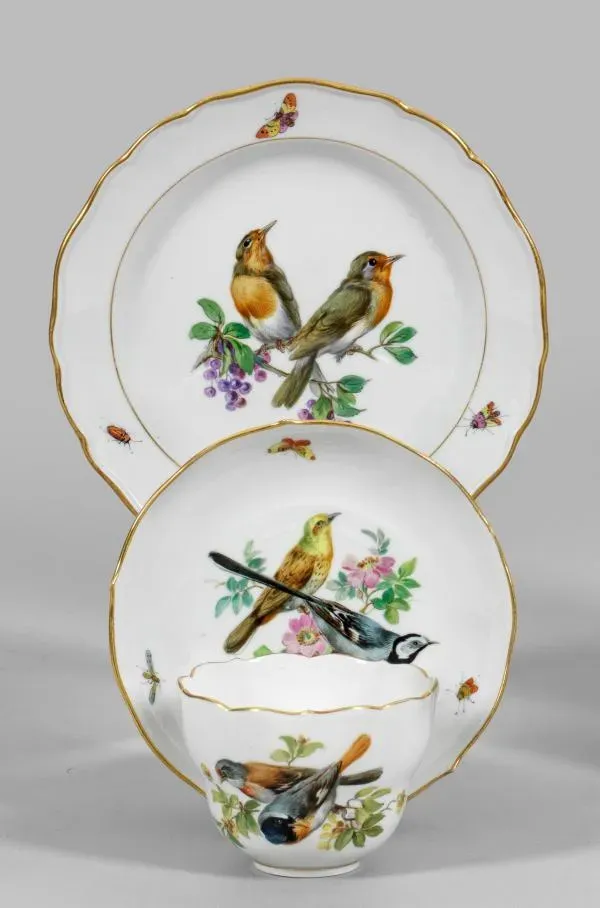
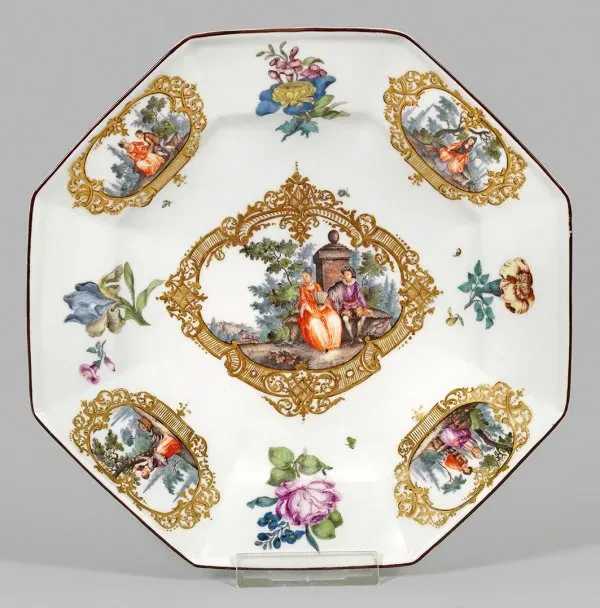
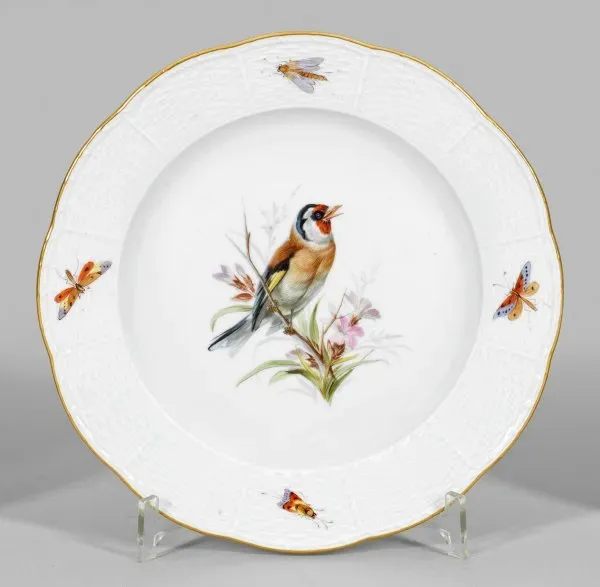
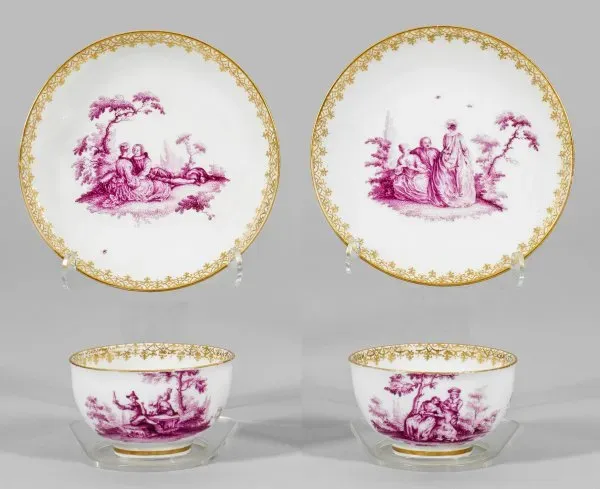
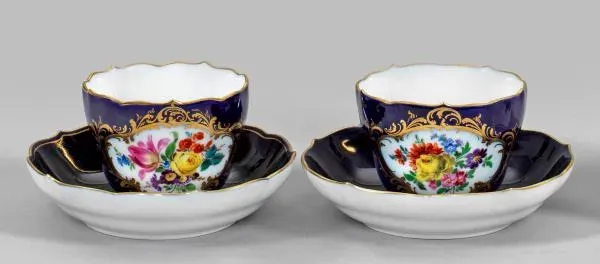
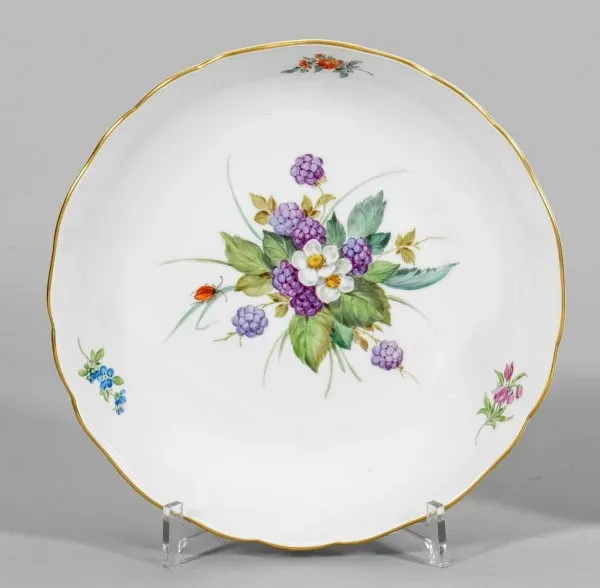
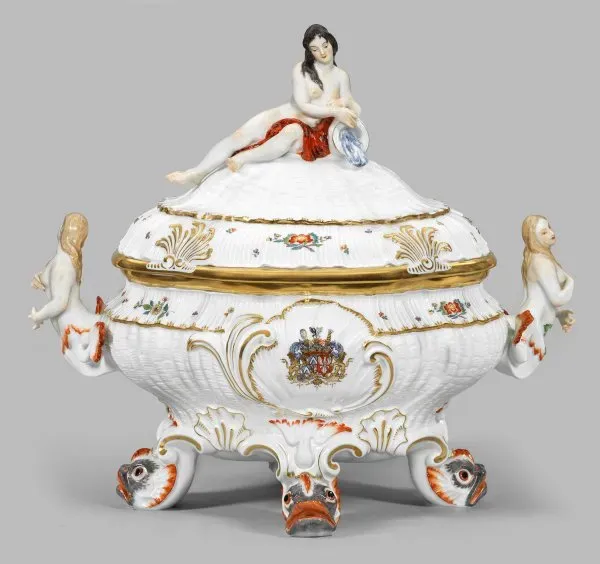
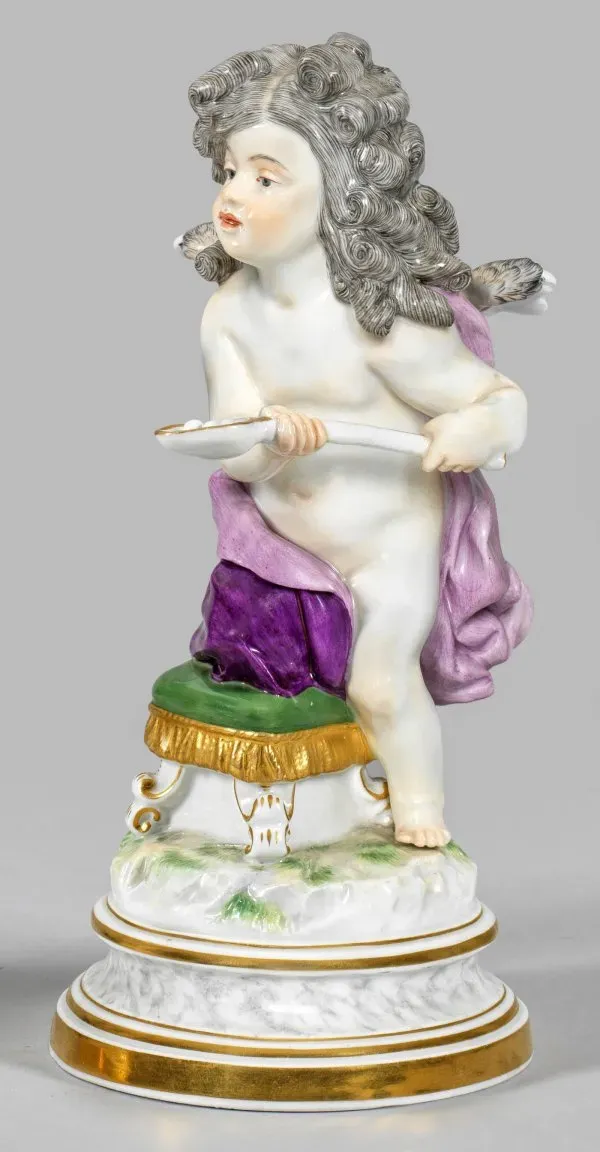
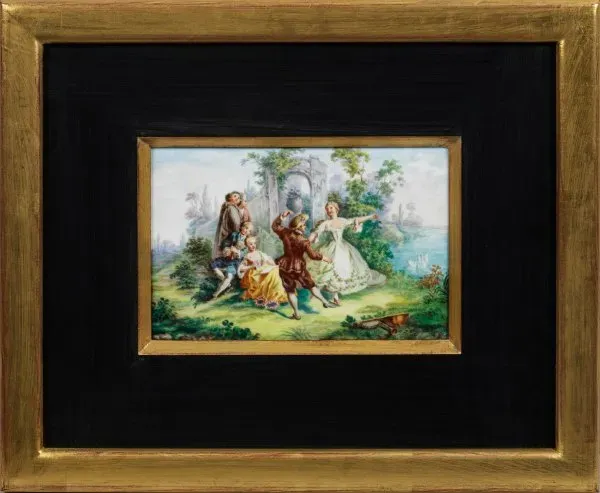
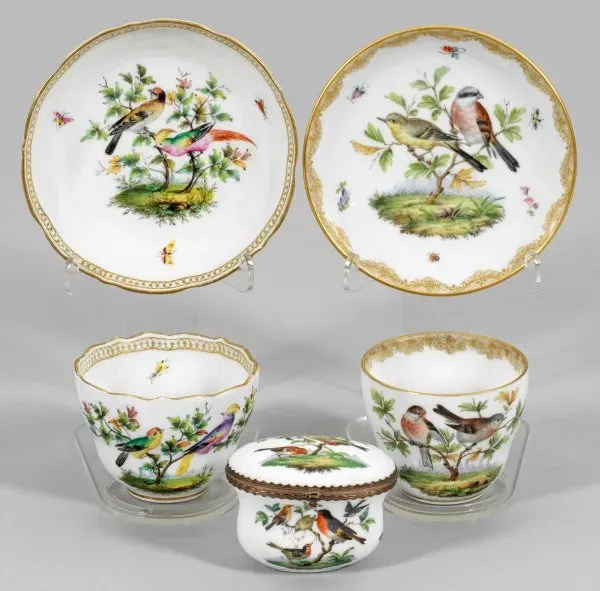
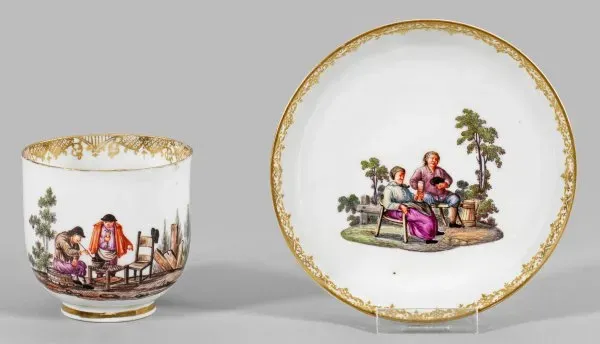
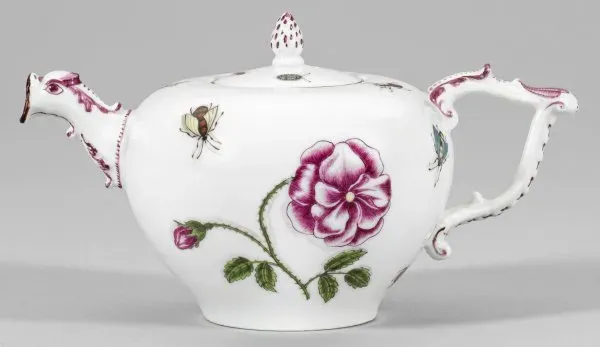
The works of the famous Meissen manufactory “Meissen” are unique objects of art of high artistic level and royal style, renowned worldwide and of great collectible value. Each period of its three-hundred-year history is interesting in its development, filled with events important for artistic heritage and with vivid discoveries.
“White gold” – this is how Europeans called Chinese porcelain, which forever won their hearts with its extraordinary elegance, beauty of form, and the mystery of its origin. Chinese porcelain was first brought to Europe by Portuguese merchants. Historians date this event to the year 1508. Since then, European scholars and alchemists sought the secret composition of the unique porcelain paste.
The first to achieve the long-awaited result was the alchemist Johann Friedrich Böttger. In 1707, he obtained a hard mass suitable for molding, firing, grinding, and painting, made from clay and red earth. The material he obtained, due to its characteristic shade, was called “red mass.” It took another two years, and Böttger, together with physicist and geologist Tschirnhaus, finally derived the formula for the famous white porcelain, based on local raw materials—white clay, deposits of which were discovered near Dresden. It was this important unique component of the porcelain mass that provided its plasticity.
The following year, near the clay deposit in the town of Meissen, the first porcelain manufactory in Europe was opened, owned by King Augustus the Strong. His Majesty was so reverent about his new enterprise and so valued the secret of “white gold” that he moved the factory into a castle and placed guards over the craftsmen. The first porcelain products appeared in 1713, but their quality remained low: the surface was uneven, bumpy, and in some places, cracks appeared. The craftsmen had to lavishly decorate the items with molded ornaments. They were covered with glaze, and Chinese samples were used as models. But very soon, the fame of the high quality of Meissen porcelain made people forget about this short period of failures.
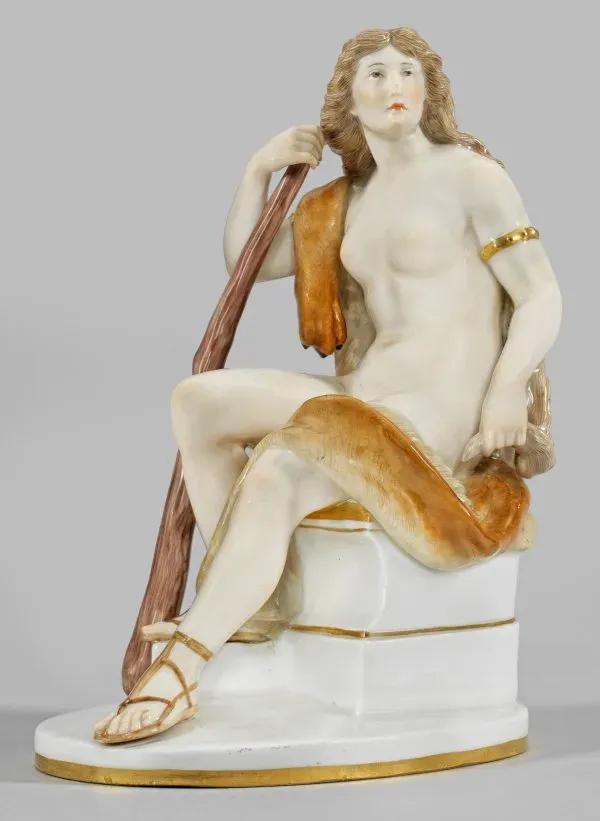
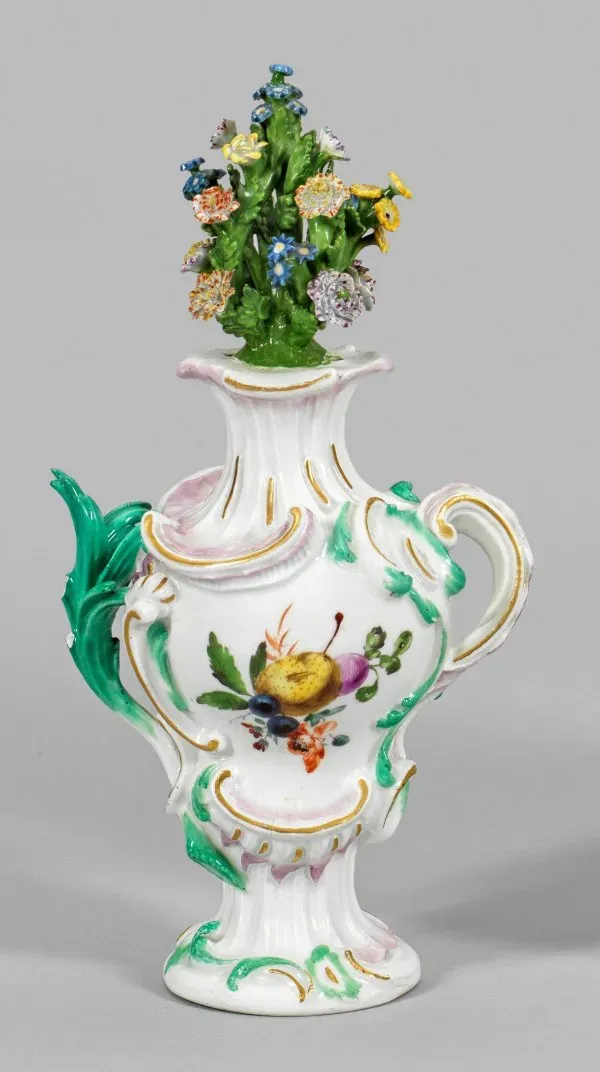
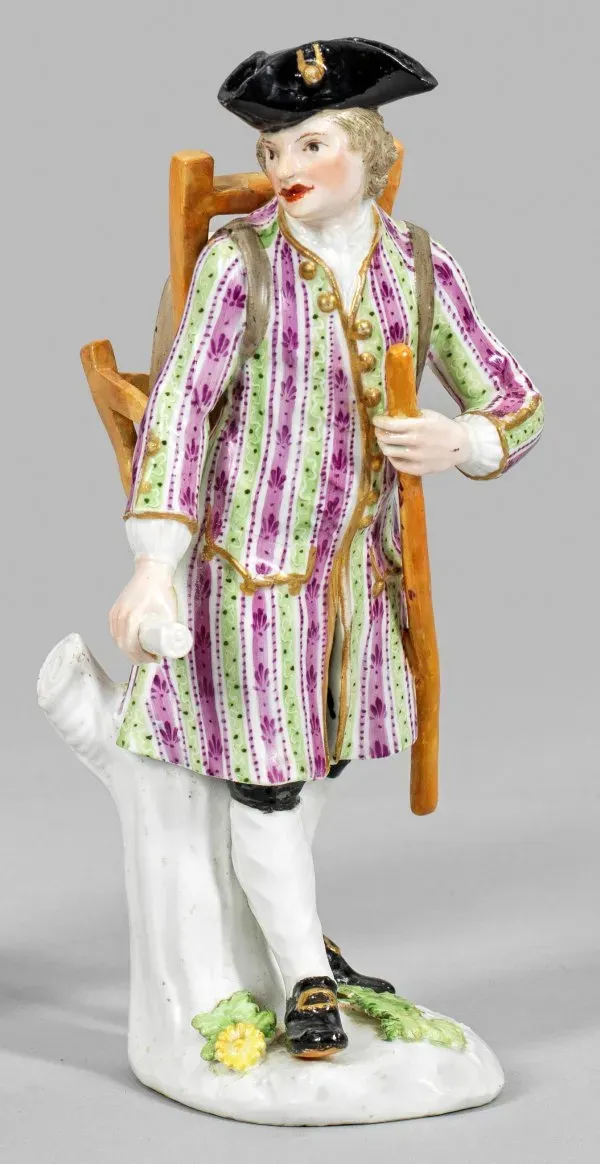
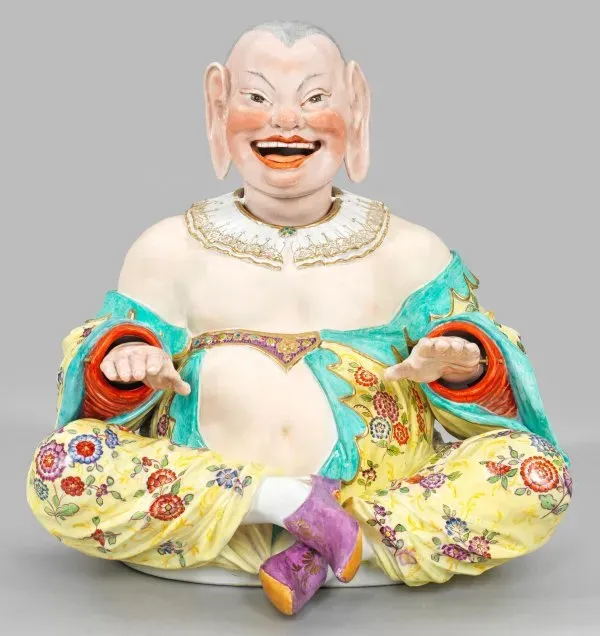
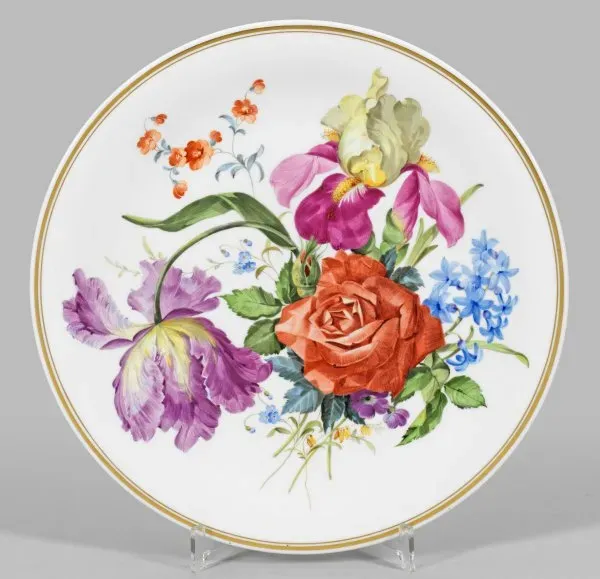
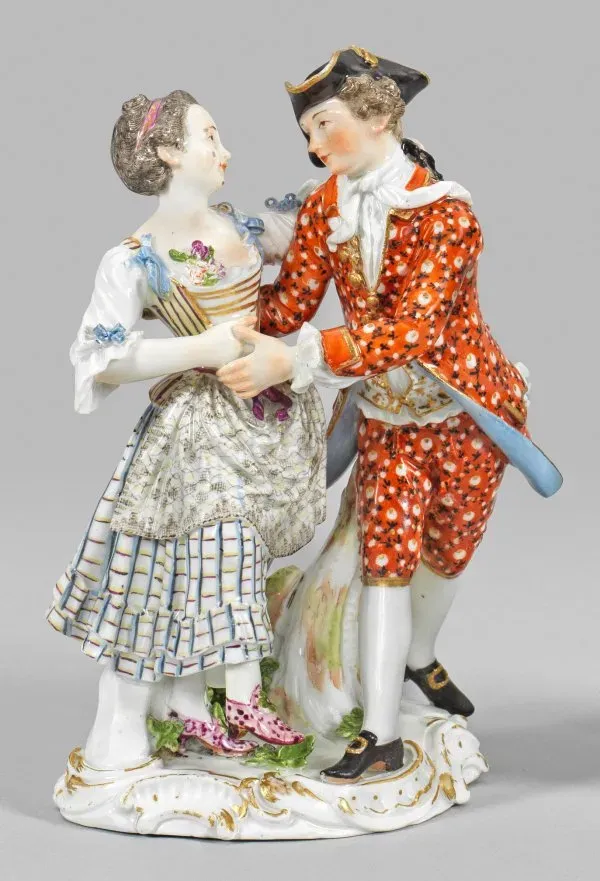
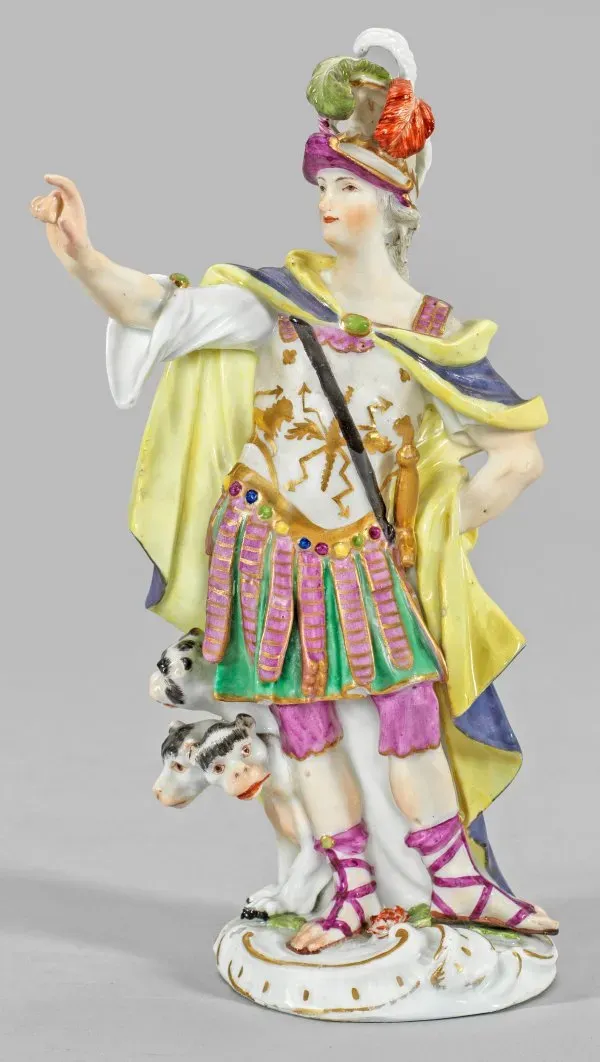
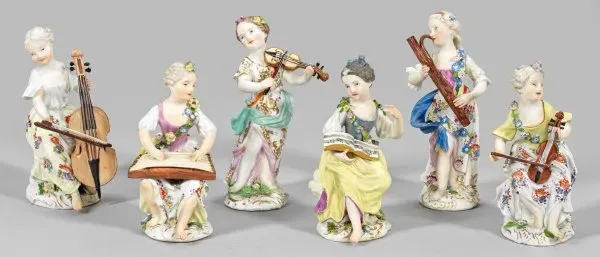
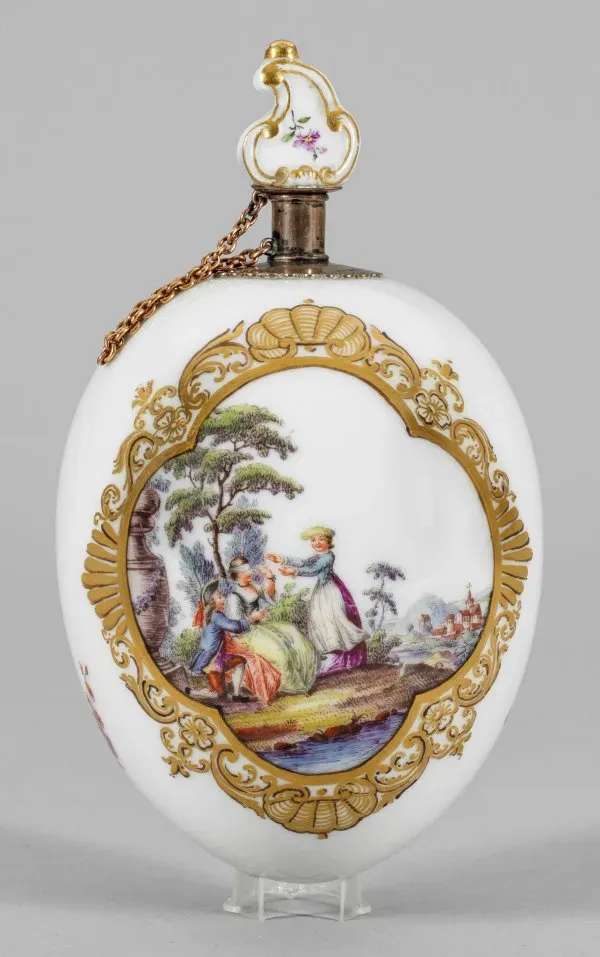
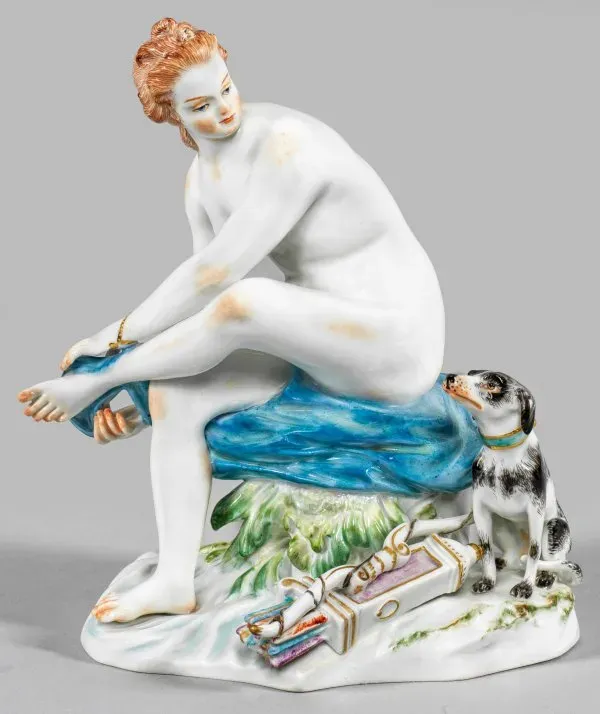
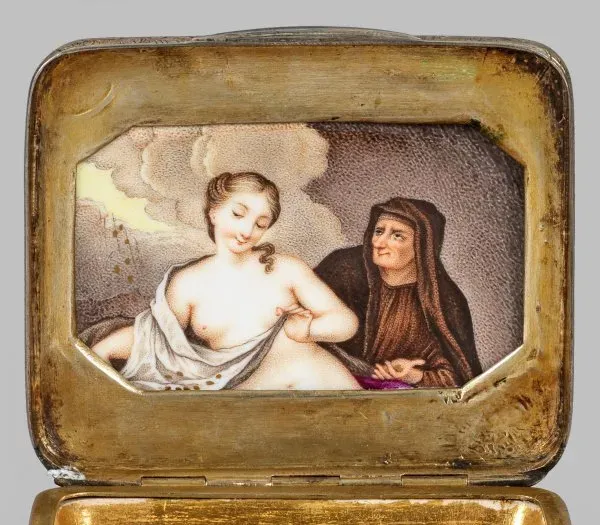
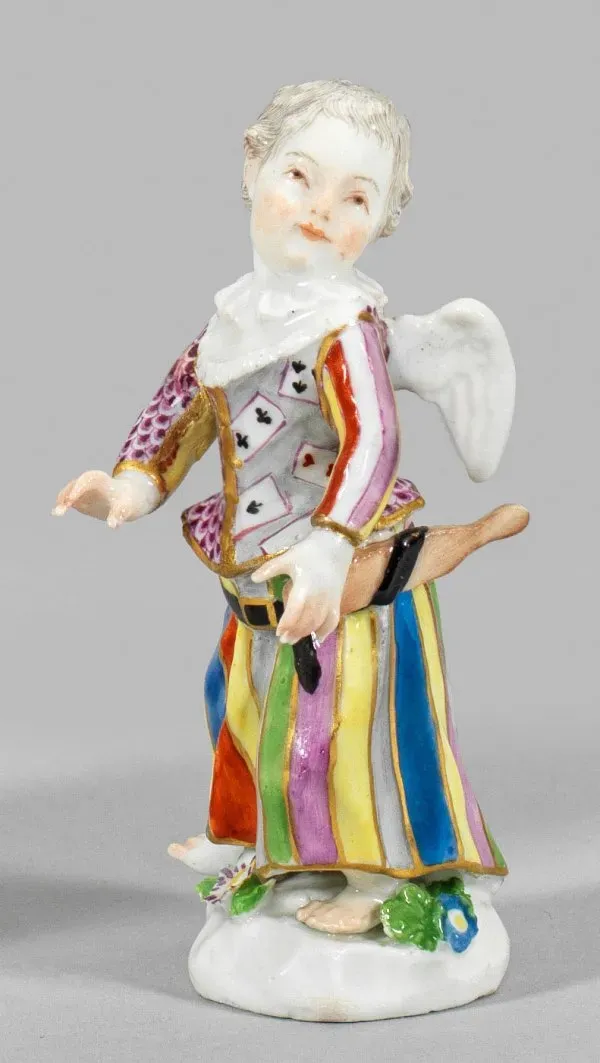
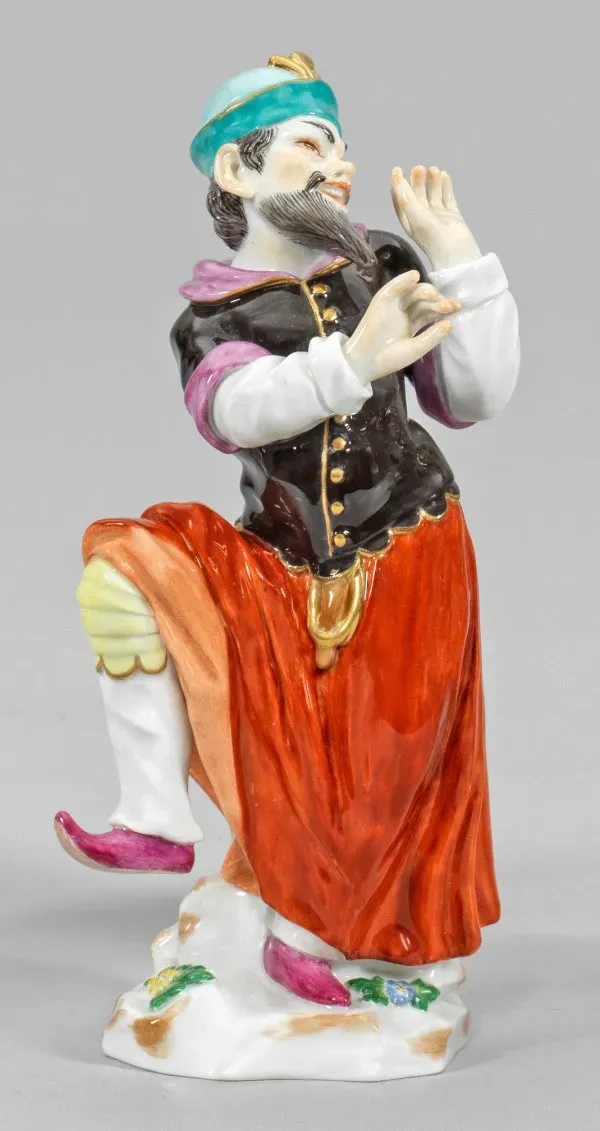
In 1719, Friedrich Böttger passed away; Johann Gregor Herold—a successful painter from the Vienna manufactory—was appointed in his place. Thanks to him, the quality of porcelain production reached a new, higher level. This concerned technological improvements and also led to the emergence of new luxury items. To the magnificent dinner sets and vases were added sculpture, elegant figurines, snuffboxes, patch boxes, all sorts of caskets, clocks, toiletry and writing sets, and smoking pipes.
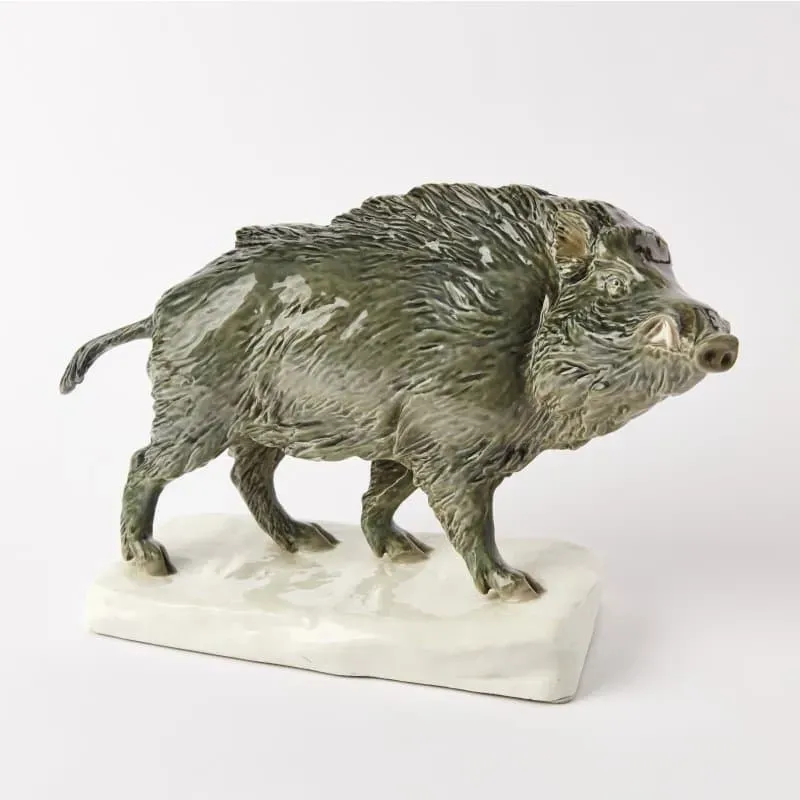
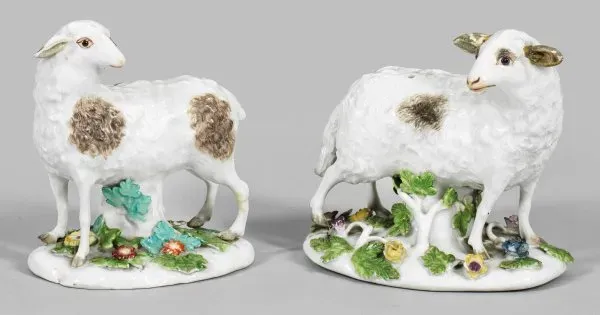
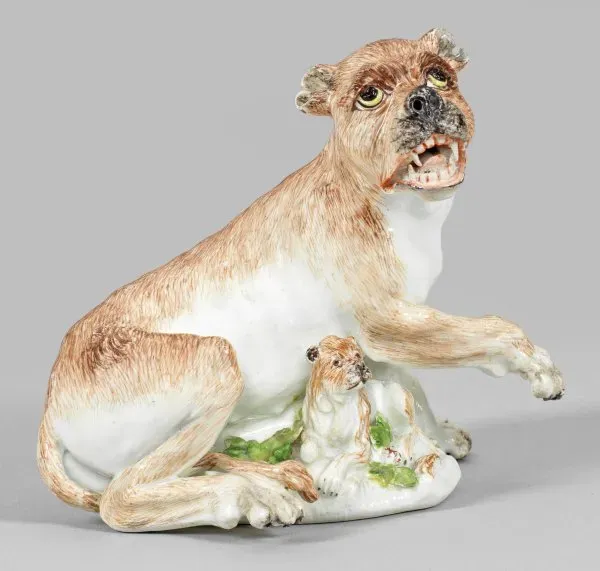
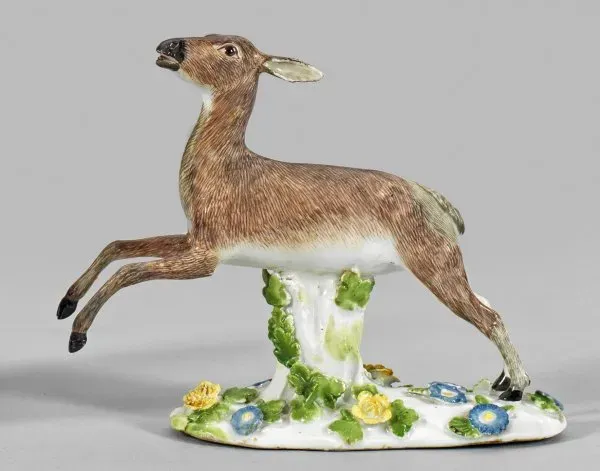
The manufactory supplied the needs of the court and the aesthetic demands of the German aristocracy. Very soon, almost all of Europe was swept by a porcelain boom. The Saxon King Augustus was the most demanding customer for porcelain works. To decorate the interiors of his palaces, he spared neither funding for production nor his own imagination. Among the most original items were porcelain animal sculptures made to their natural proportions. This brilliant idea of the king was executed by Johann Kaendler himself.
In 1722, the manufactory acquired a mark that later became the most famous sign of quality—two crossed swords.
 @media screen and (max-width: 767px) { .block_masonry.fade-in .block { line-height: 1.0; } }