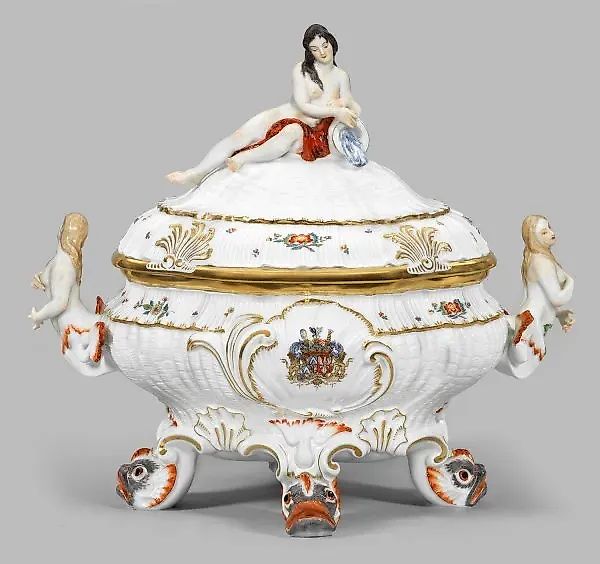
Soup tureen with a nymph figurine and the coat of arms of Count Brühl
Description
"Swan Service," oval, four-pass curved, pressed convex body on four legs in the form of dolphin heads. Side handles, fully sculpted as Nereids. Domed lid with a figure of a resting nymph leaning against a vase with bubbling water. Highly elegant relief decoration in the form of waves and shells with gold leaf outlines, border area with colored Indian flower branches and scattered flowers. On both sides of the wall, in a frame, the alliance coat of arms of Count Heinrich von Brühl and his wife Franziska von Kolowrat-Krakowsky in shell cartouches. Polychrome painting with rich gold staffage. Possibly executed by Johann Gottlieb Eder, 1742. Sword mark. Height 33 cm, dimensions 36 cm x 22 cm. After King Augustus the Strong, Heinrich Count von Brühl was the most important patron of the Meissen manufactory from 1747, serving as Prime Minister at the Electoral Court. Under Augustus III, the count was a decisive figure in Saxon politics. The so-called "Swan Service," which received its current name only in the 19th century, is considered the largest and most extensive service in the history of 18th-century porcelain; it was designed by Johann Joachim Kändler and modeled between 1737 and 1741 with the help of his colleagues Johann Friedrich Eberlein and Johann Gottlieb Eder. Characteristic features include the shell-shaped relief decoration combined with swans and herons, as well as the design with fully sculpted figures from the mythological marine world. The sculptural ornamentation is complemented by exquisite Indian flower decoration. Compare Pietsch, Cat. "The Swan Service" - Meissen Porcelain for Heinrich Count von Brühl, p. 153, no. 20. Magnificent lid with a nymph figure and the alliance coat of arms of Count Brühl and his wife. Crossed swords mark. Meissen. After 2000.
Meissen (Meissen)
Additional lots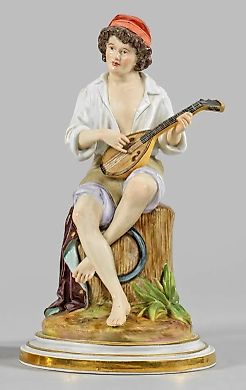
Lot No. 13502 Porcelain figurine of a Neapolitan boy
Meissen (Meissen)
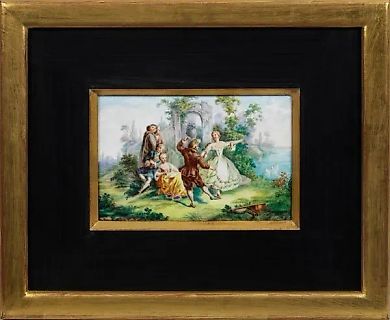
Lot No. 14321 Porcelain tile depicting the scene "Fête champê…
Meissen (Meissen)
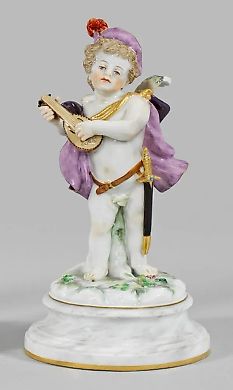
Lot No. 13219 A rare porcelain figurine of Cupid with a lute …
Meissen (Meissen)
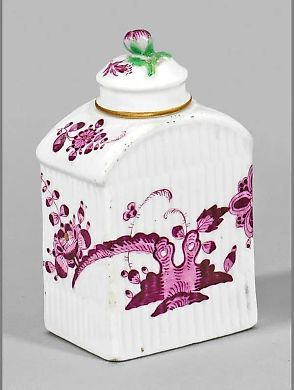
Lot No. 14354 Teapot with Indian decor in violet gradient ton…
Meissen (Meissen)
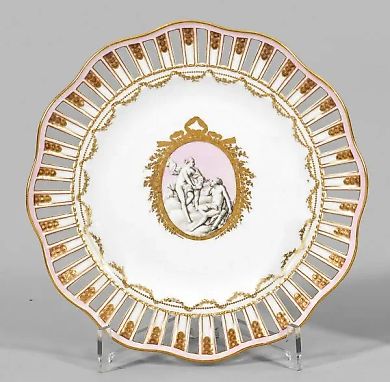
Lot No. 14333 Imperial ornamental plate
Meissen (Meissen)
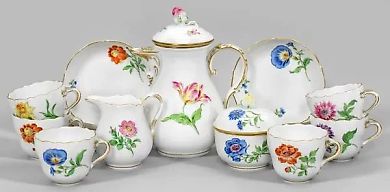
Lot No. 14233 A coffee set with a floral design.
Meissen (Meissen)
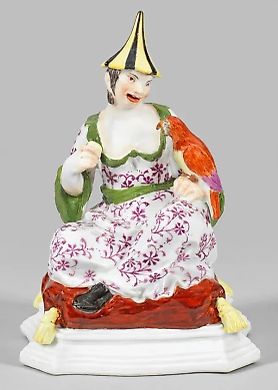
Lot No. 14447 Meissen pagoda "Chinese Woman with a Parrot"
Meissen (Meissen)
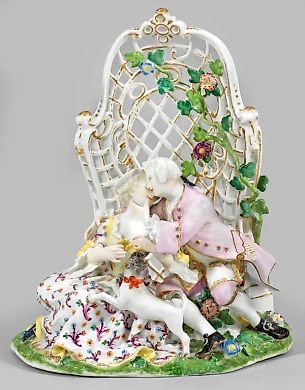
Lot No. 14412 Porcelain figurine group of a couple in love wi…
Meissen (Meissen)
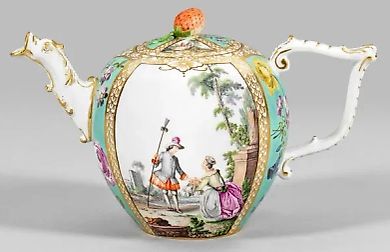
Lot No. 14429 Meissen teapot with a turquoise background and …
Meissen (Meissen)
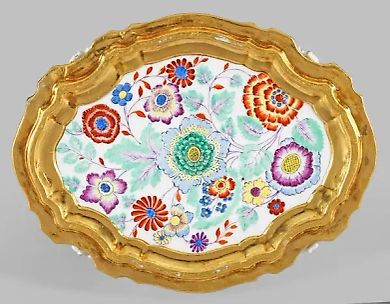
Lot No. 13260 A magnificently decorated porcelain tureen, ori…
Meissen (Meissen)
Similar lots
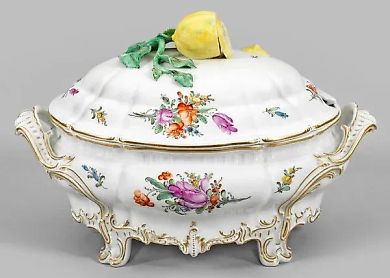
Lot No. 14231 Magnificent soup tureen with "Nymphenburg Bouqu…
Nymphenburg
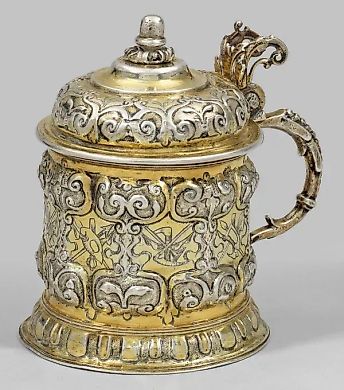
Lot No. 13140 Silver mug
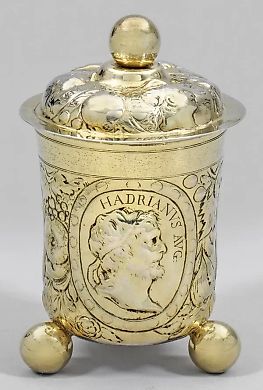
Lot No. 13144 Cup
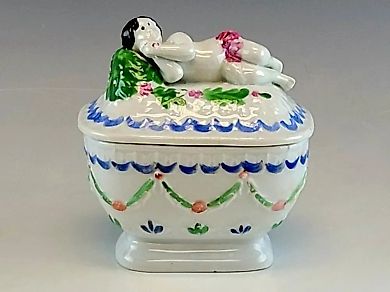
Lot No. 16016 A rare antique porcelain box from Imperial Russ…
Kuznetsova M.S. society
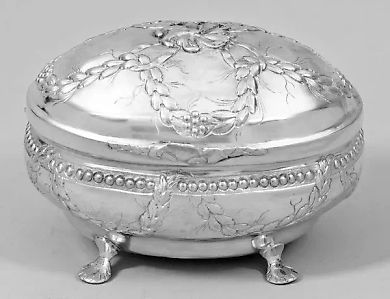
Lot No. 13174 Silver sugar bowl
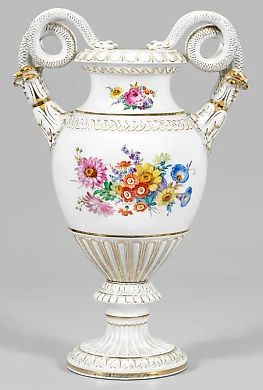
Lot No. 14269 A vase with a handle in the shape of a snake an…
Meissen (Meissen)