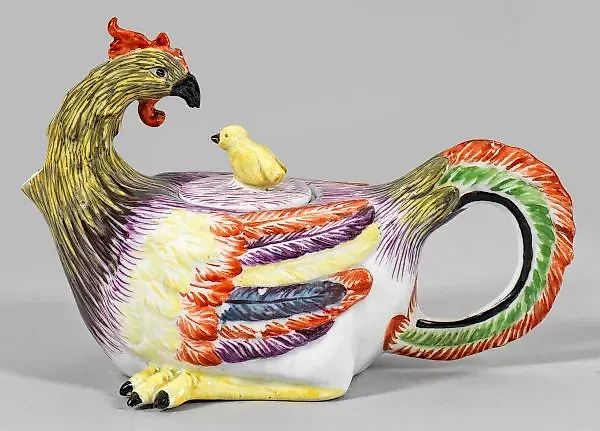
Porcelain teapot in the shape of a rooster
Description
A fully plastic rooster with a curved neck and head, with an open beak in the form of a teapot spout. Embossed and brightly decorated plumage. The tail feather is ring-shaped, serving as a handle, connected to the neck by a spout-shaped opening. Centered, round lid with a plastic tip in the shape of a chick. Polychrome painting. Made by Johann Joachim Kaendler, circa 1734. Restored; marked with a sword. Height 10.5 cm. Johann Joachim Kaendler's rooster model was created as a so-called trompe-l'œil, an optical illusion. Such animal vessels served as original table decorations, adding an element of surprise to their presentation. See the catalog "Cabinet Pieces," Meissen Porcelain Birds, p. 200 and following; Rickert, Bayer. National Museum, No. 1126, Albiker, No. 253. Porcelain teapot in the shape of a rooster, created by J. J. Kaendler. Restored. Mark of crossed swords. Meissen. Circa 1735-1740.
Meissen (Meissen)
Additional lots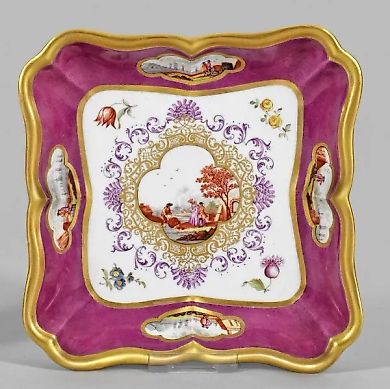
Lot No. 14296 Porcelain bowl with a purple background.
Meissen (Meissen)
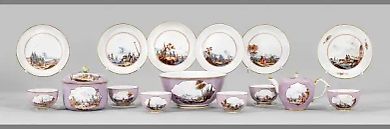
Lot No. 14454 A Meissen porcelain service in lavender color w…
Meissen (Meissen)
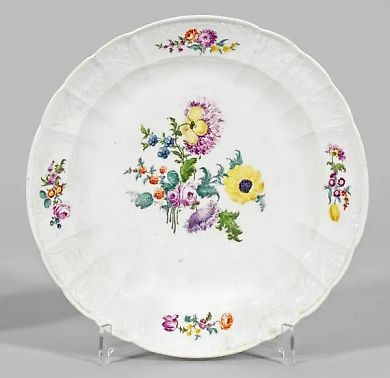
Lot No. 14368 Large decorative bowl with "German flower" patt…
Meissen (Meissen)
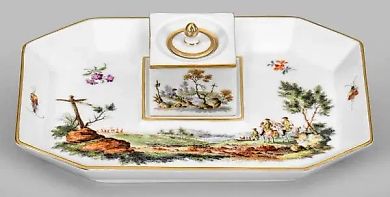
Lot No. 14281 Writing accessories with hunting decoration
Meissen (Meissen)
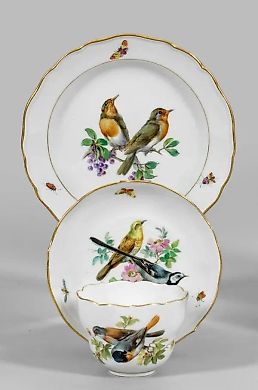
Lot No. 14252 Coffee set with a songbird decoration
Meissen (Meissen)
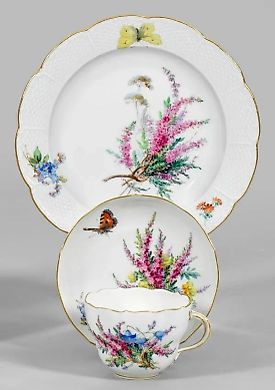
Lot No. 14251 Coffee set with tamarisk decor
Meissen (Meissen)
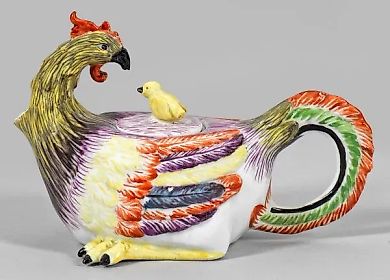
Lot No. 14446 Porcelain teapot in the shape of a rooster
Meissen (Meissen)
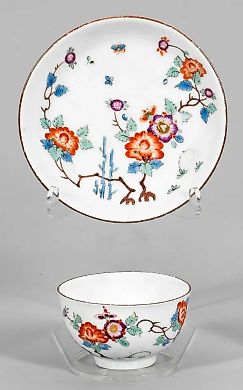
Lot No. 14462 Porcelain cup and saucer, Kakiemon-style decora…
Meissen (Meissen)
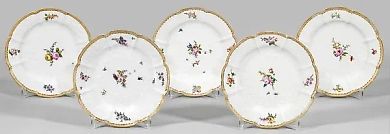
Lot No. 14367 A collection of five porcelain plates with frui…
Meissen (Meissen)
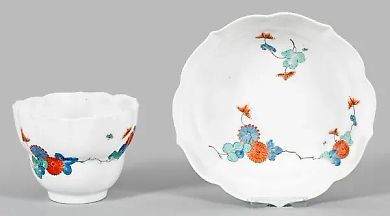
Lot No. 14467 Large porcelain cup in the "Kakemono" style
Meissen (Meissen)
Similar lots
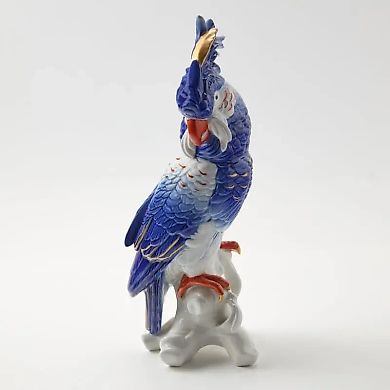
Lot No. 13531 cockatoo parrot
Karl Ens is a German name.
Lot No. 207 Golden Rooster
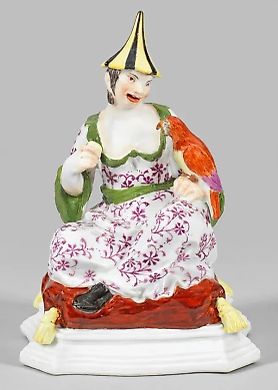
Lot No. 14447 Meissen Pagoda "Chinese Woman with Parrot"
Meissen (Meissen)
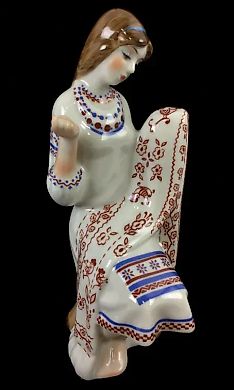
Lot No. 16053 A figurine of a woman with a scarf-shawl is dep…
KEKHZ
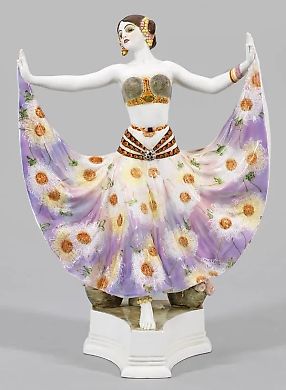
Lot No. 13076 A large figurine depicting the famous female da…
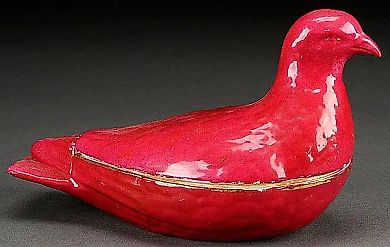
Lot No. 15941 Kuznetsov Russian porcelain butter dish in the …
Kuznetsova M.S. society
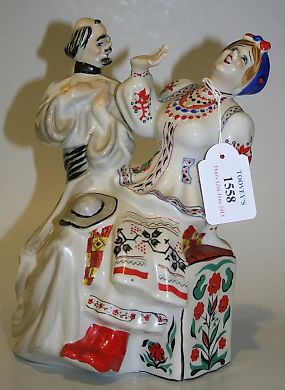
Lot No. 16047 Kiev porcelain figurine group depicting a man a…
KEKHZ
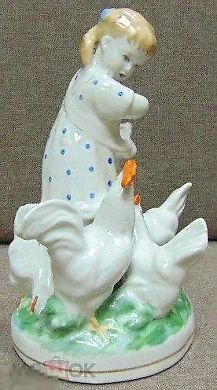
Lot No. 12711 Girl with chickens
Dulevo Porcelain Factory
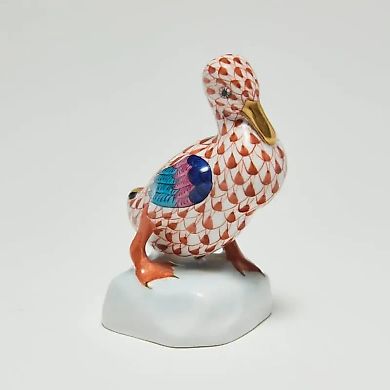
Lot No. 13516 Duck
Herend (Herend)
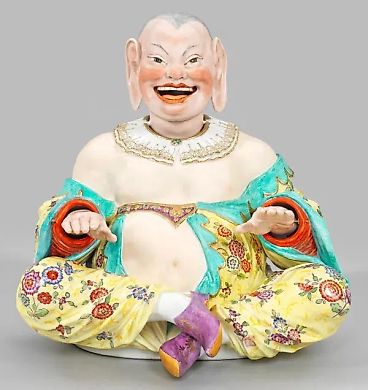
Lot No. 14420 Large figure of a male pagoda-rocker made of po…
Meissen (Meissen)