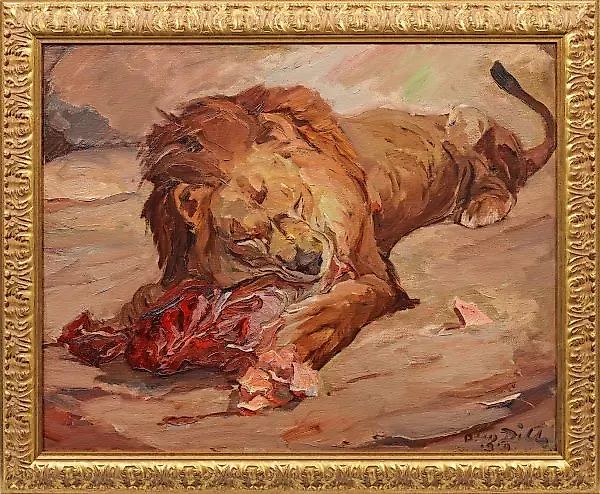
"Devouring Lion Dill: An Impressive Painting"
Description
(1884 Neustadt an der Haardt – 1957 Bad Dürkheim) The painting "Devouring Lion Dill" depicts a powerful, ratty lion at the Munich Zoological Garden (Tierpark Hellabrunn) in an impressive close-up, diagonally and dynamically composed within the image, as it devours a piece of beef. Created in 1919 during his most significant creative period, this painting belongs to Dill's early and best works, for which he later became known by the nickname "Lion Dill." The motif of the predatory cat perfectly matches the weight and energy of the brushstroke, the impasto, swaying masses of color structuring the image with large, broad, dense areas. From 1908 to 1914, Dill studied at the Munich Academy, and from 1909 to 1913 he was a master student of Heinrich von Zügel, who introduced him to an interest in animals and Impressionism. Since childhood, Dill was especially fascinated by predatory cats; unlike Zügel, who mainly depicted sheep and cattle, Dill devoted himself not only to horses and riders, but also to lions and tigers as the main motifs of his work. As early as the summer of 1917, Dill was presented with his first extensive collection of oil paintings and drawings at an exhibition in the Munich Glaspalast, which mainly featured lion and equestrian motifs. As a member of the Munich Secession, he participated in various exhibitions of the art association in 1922. In 1923, an article about Dill and his paintings of lions and horses was published in the influential art magazine "Kunst für Alle" (pp. 259–265) by Munich art historian Dr. Willy Burger, which accurately stated: "His favorite animal, which best suits his intentions, is the first-class predator among the great cats, lions and tigers. In them, even in their calm, one can always notice, as if in ambush, the tension of every nerve and muscle in the struggle for existence. The powerful stride of the lioness (...) finds a vivid and characteristic interpretation in Dill's works." In 1924, Dill was awarded the title of professor, and in 1930 the artist moved from Munich to Neustadt an der Weinstraße and in 1941 relocated to Bad Dürkheim. Alongside Max Slevogt, Otto Dill is today considered one of the most important artists of classical modernism from the Palatinate. Oil on cardboard. Signed and dated 1919. On the reverse, preserved traces of two original labels with indistinguishable inscriptions and titles from the artist. Dimensions: 75 cm x 95.5 cm. Frame. Provenance: German private collection, Rhineland-Palatinate.
Otto Dill
Additional lots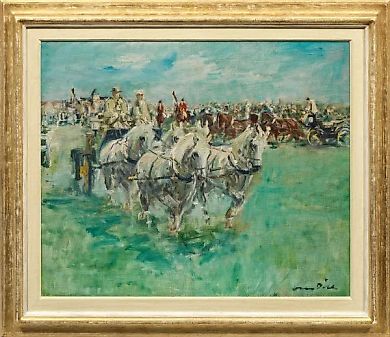
Lot No. 14607 An exquisite view of art
Otto Dill
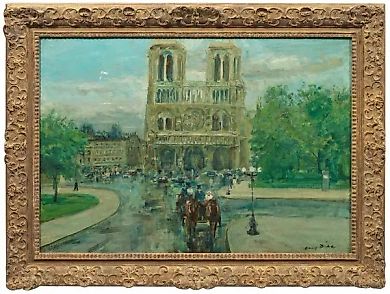
Lot No. 14613 "Impressionist Cityscape by Otto Dill"
Otto Dill
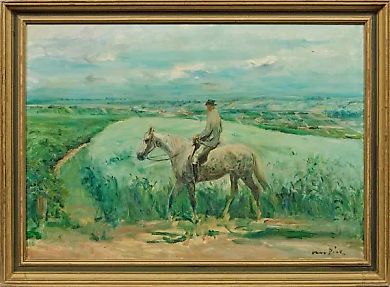
Lot No. 14611 "The landowner riding across his field"
Otto Dill
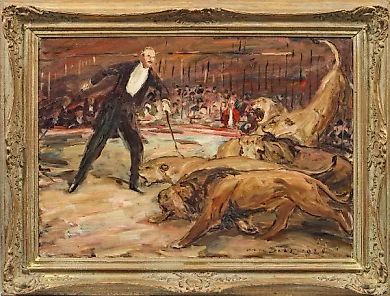
Lot No. 14614 Lion Tamer
Otto Dill
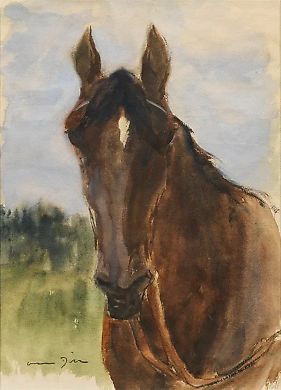
Lot No. 14608 "Horse Head: Art and Sport"
Otto Dill
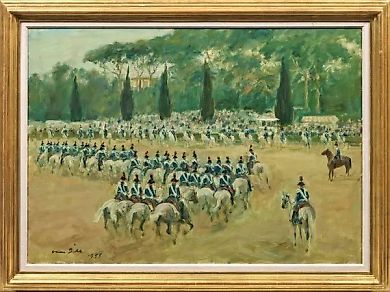
Lot No. 14612 Carousel Carabinieri
Otto Dill
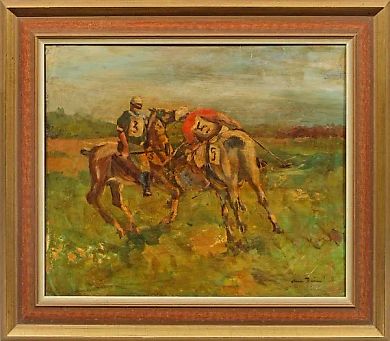
Lot No. 14609 The Virtuoso Polo Player: A Vivid Work by a Lat…
Otto Dill
Similar lots
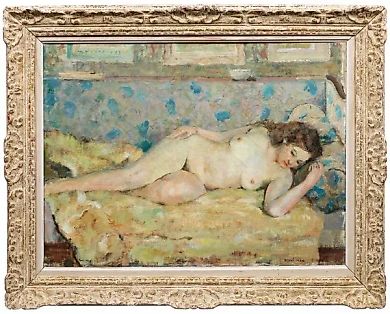
Lot No. 14577 "Young model on a blanket: a fragmentary work b…
Max Hervé
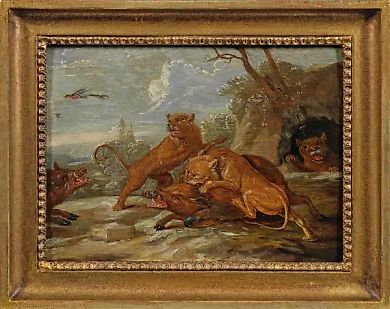
Lot No. 14812 "Lioness vs. Wild Boar: The Grandeur of Art"
Frans Snyders
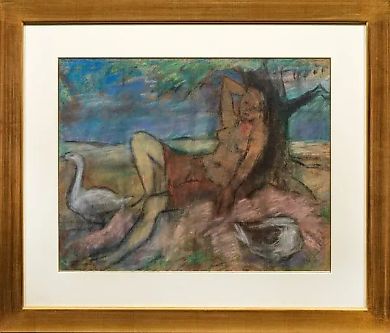
Lot No. 14596 "Henselisel" is an expressionist work by Koter,…
Paul Koter
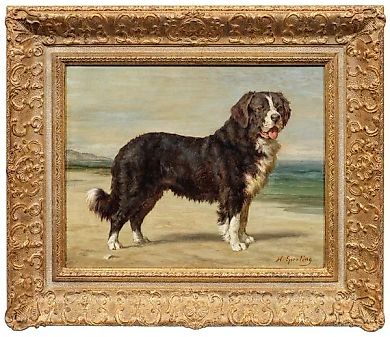
Lot No. 14698 "Heinrich Sperling: Realistic and Lively Depict…
Heinrich Sperling
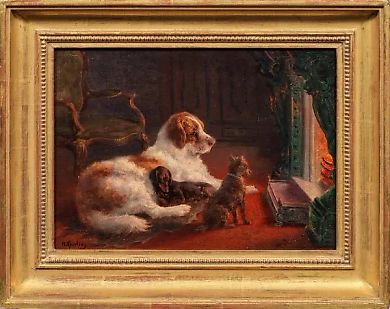
Lot No. 14697 Dogs by the fireplace
Heinrich Sperling
Viewed lots
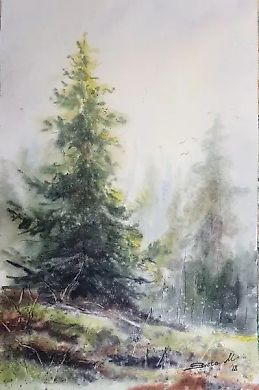
Lot No. 10312 Morning Watercolor
Svetlana Morozova
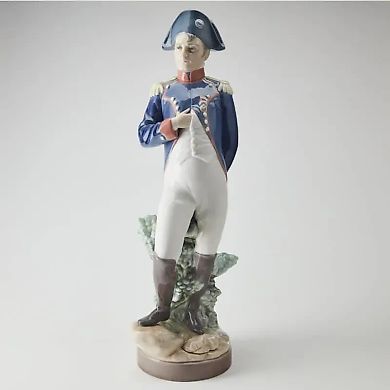
Lot No. 13512 Napoleon
Lladro
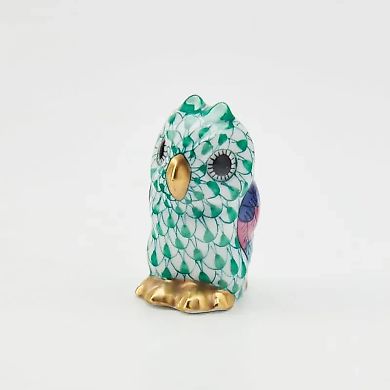
Lot No. 13539 Statuette Owl
Herend (Herend)
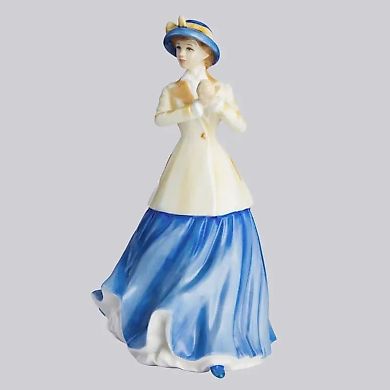
Lot No. 13566 Figure of Hannah
Royal Doulton (Royal Doulton)
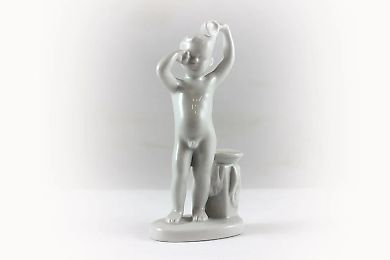
Lot No. 13928 Morning. A boy with a mug
Lomonosov Leningrad Plant
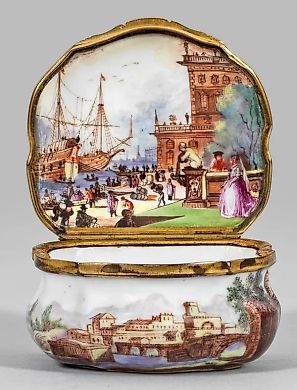
Lot No. 14452 Snuffbox with decoration of a merchant vessel.
Meissen (Meissen)
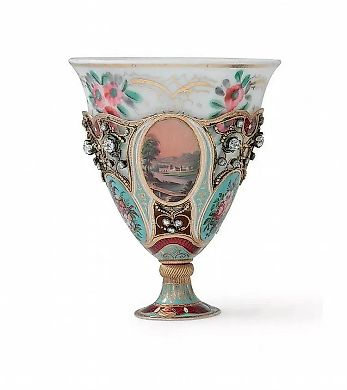
Lot No. 15615 Figured Swiss gold cup holder with enamel and p…
Kuznetsova M.S. society