Porcelain, earthenware, ceramics
Carl Scheidig KG (Grafenthal)

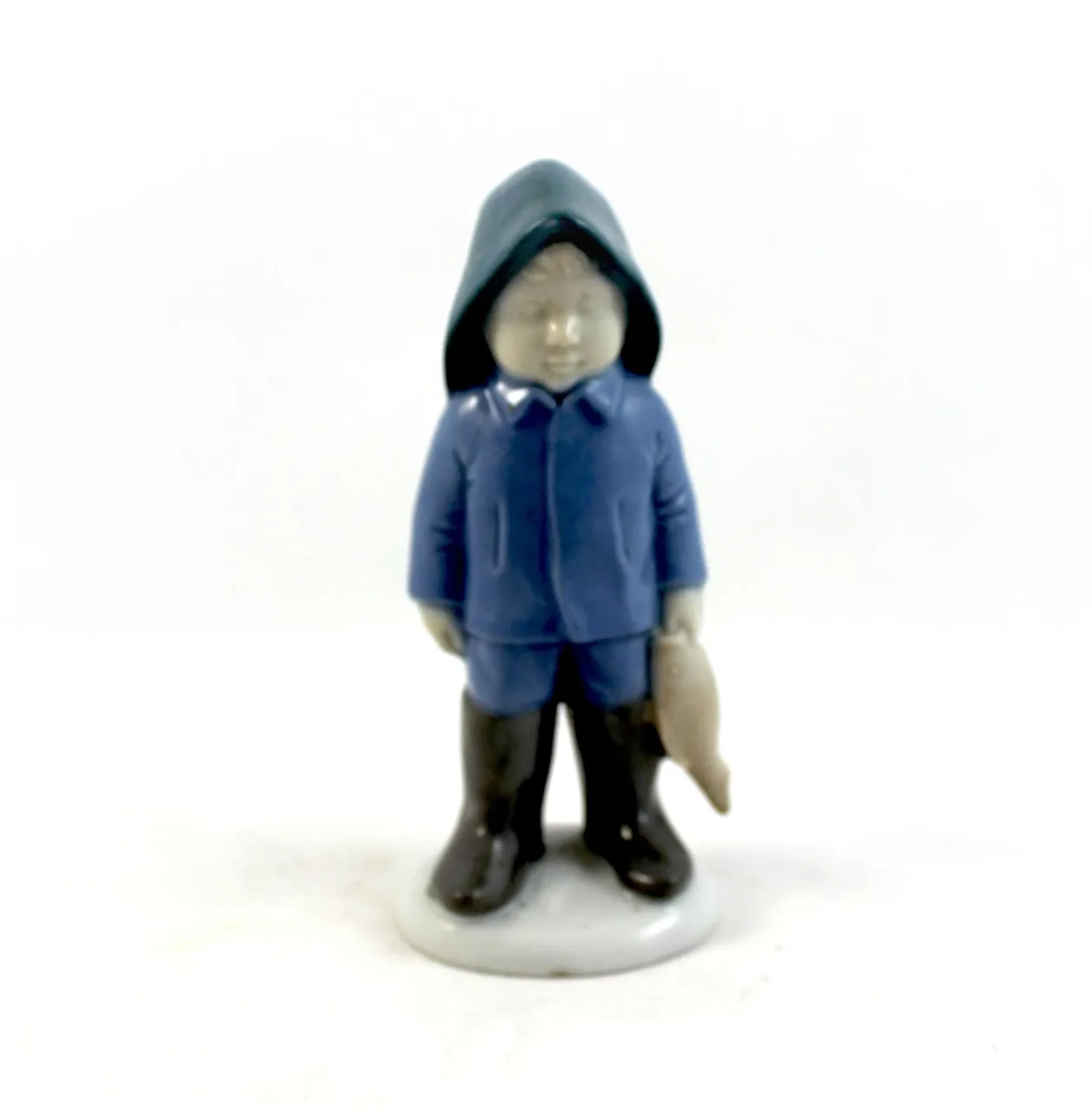
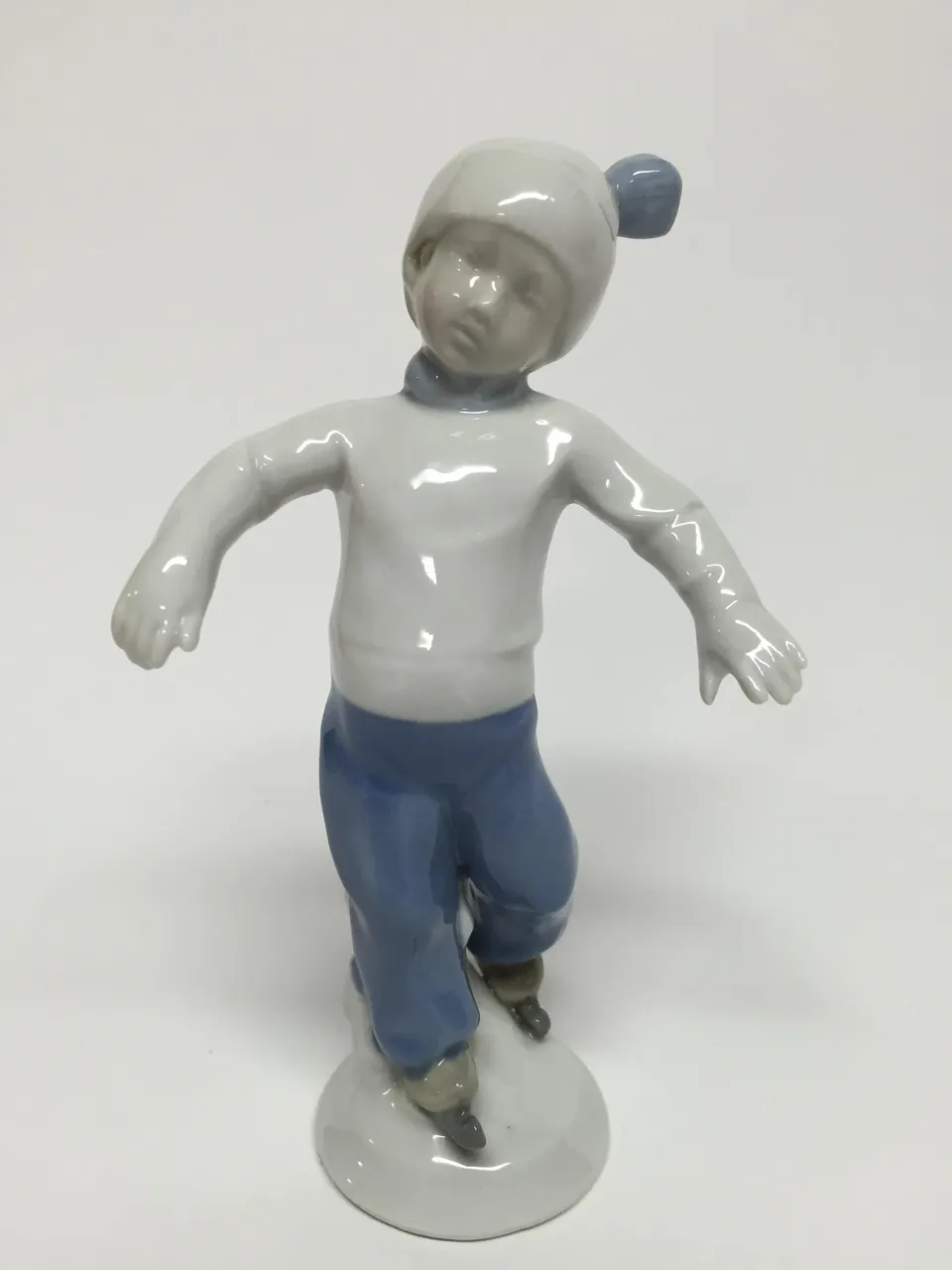
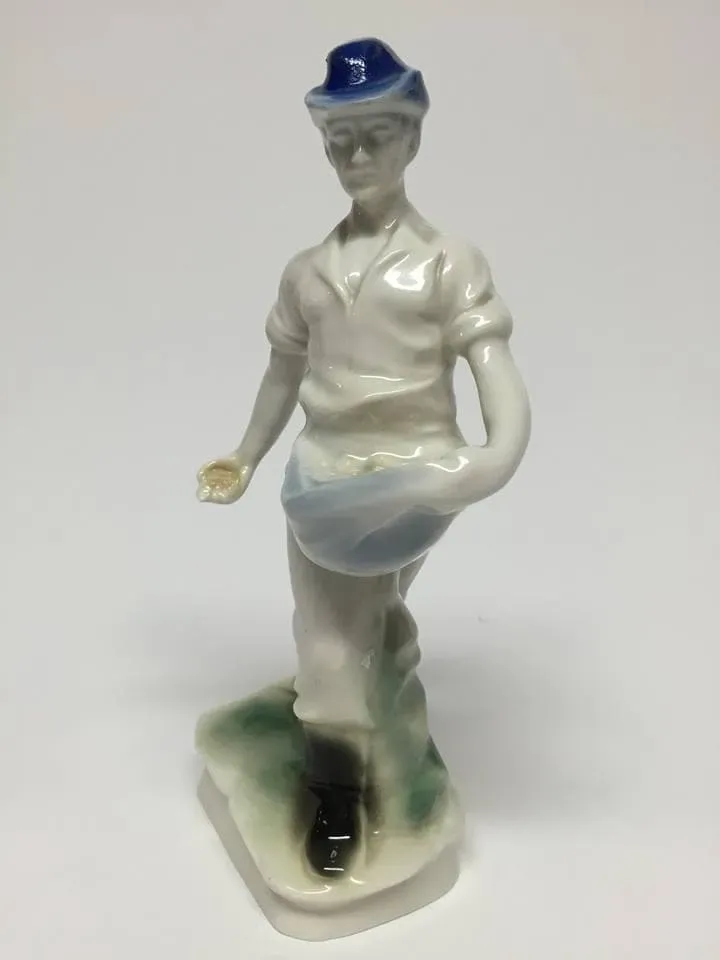
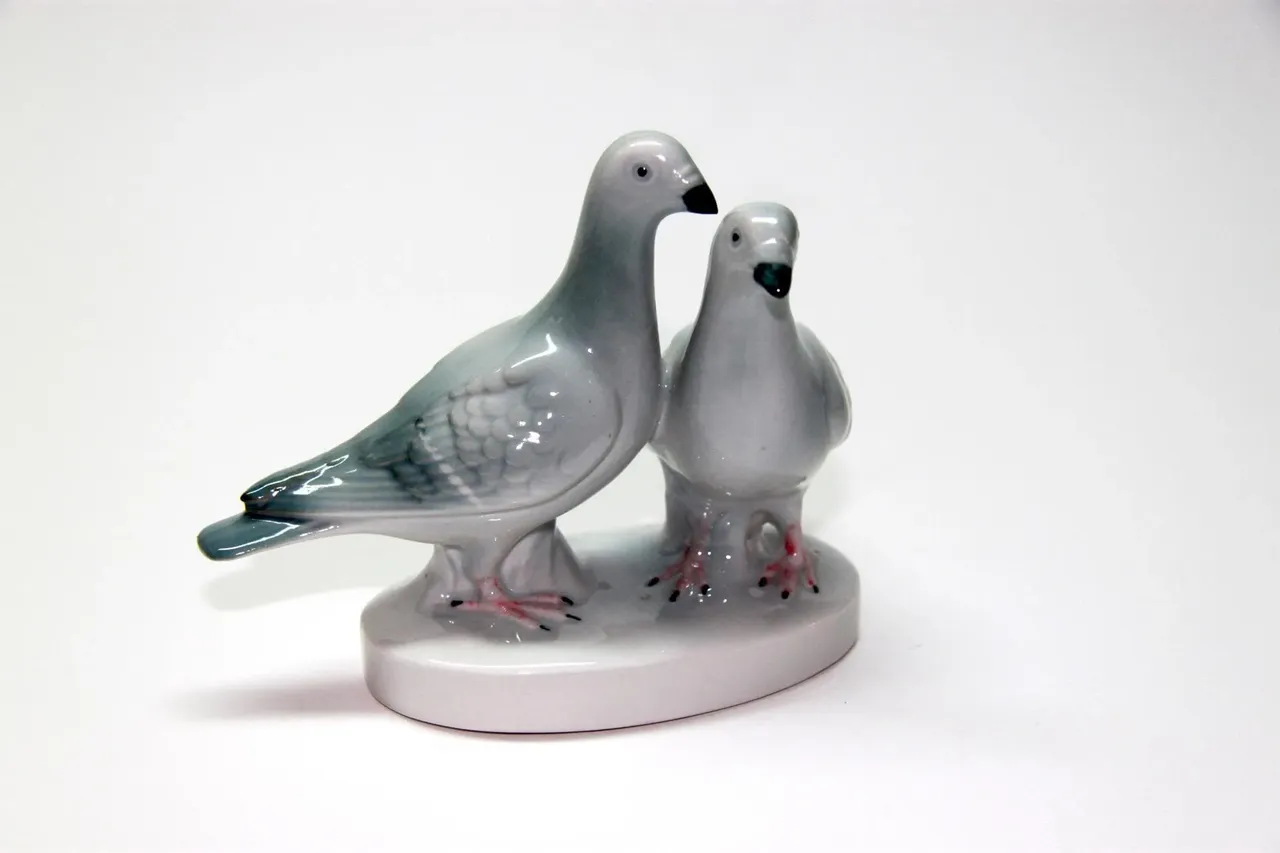
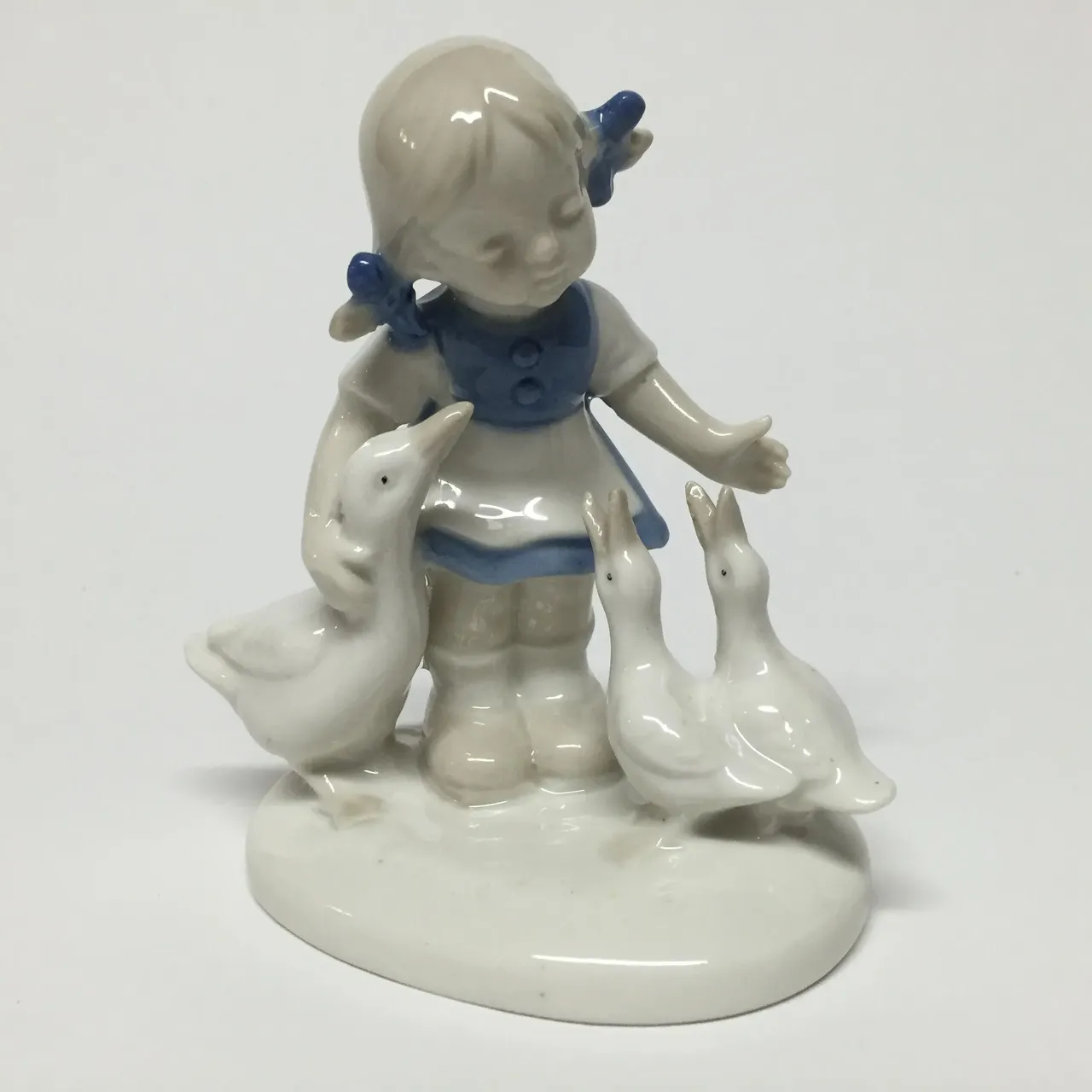
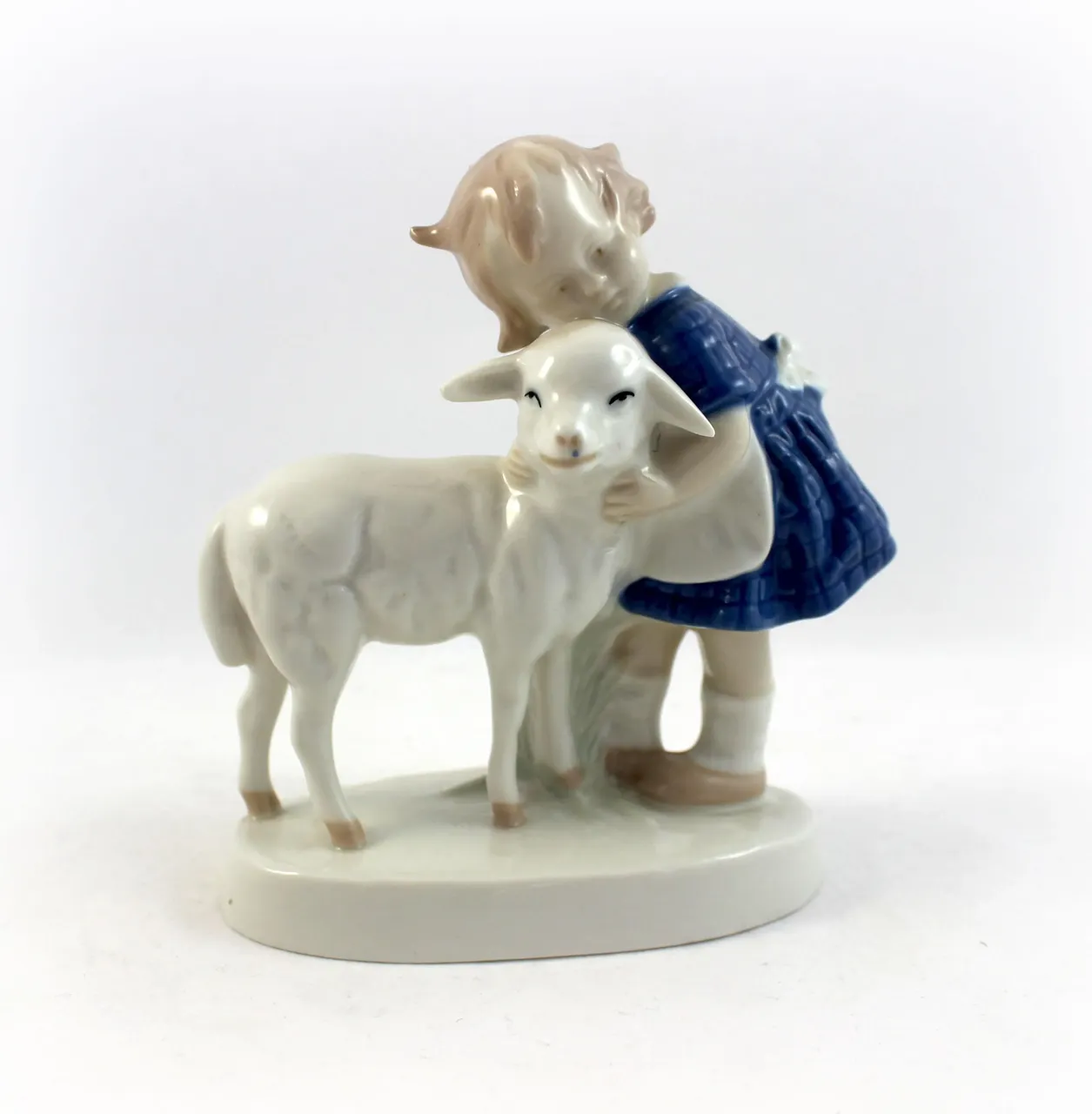
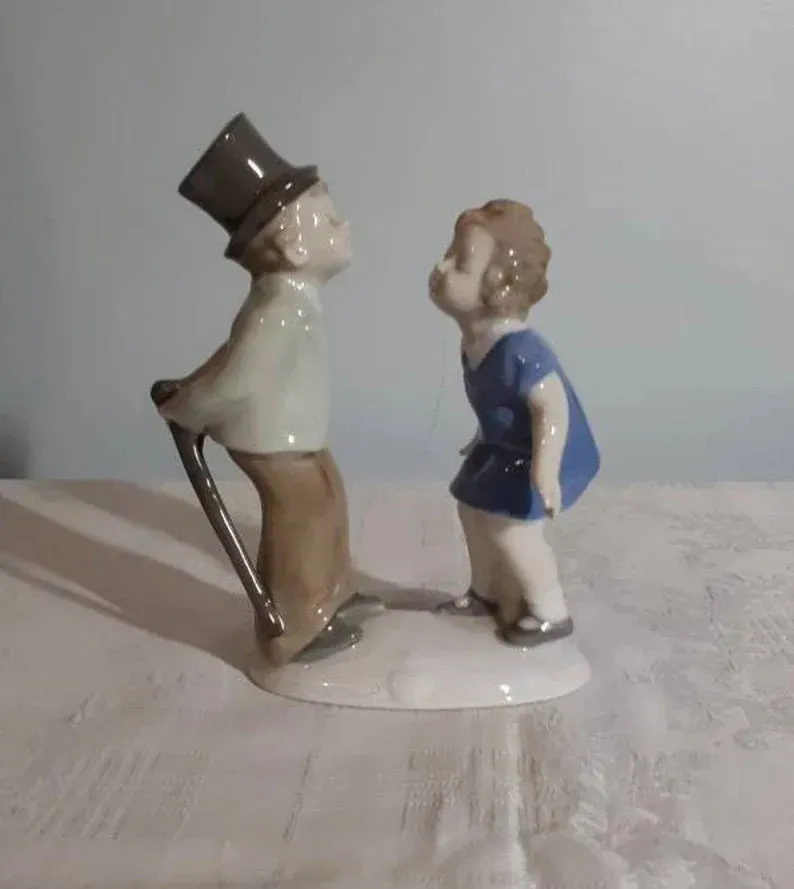
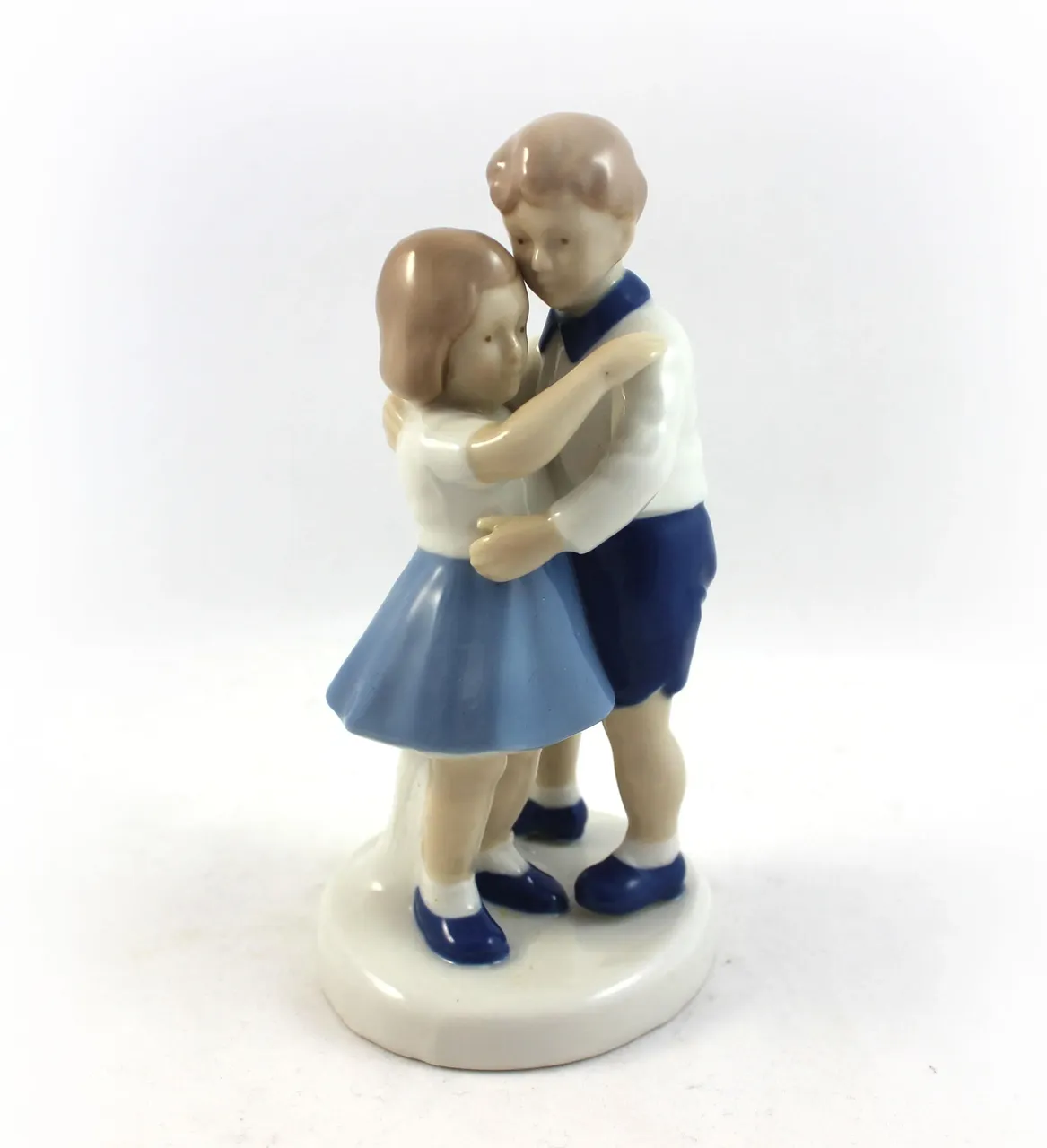
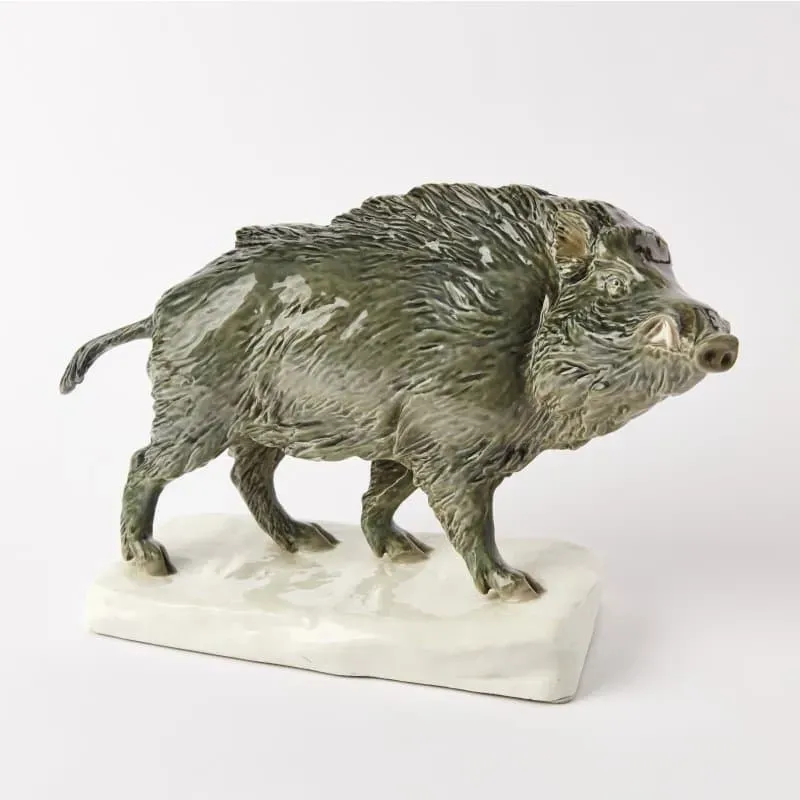
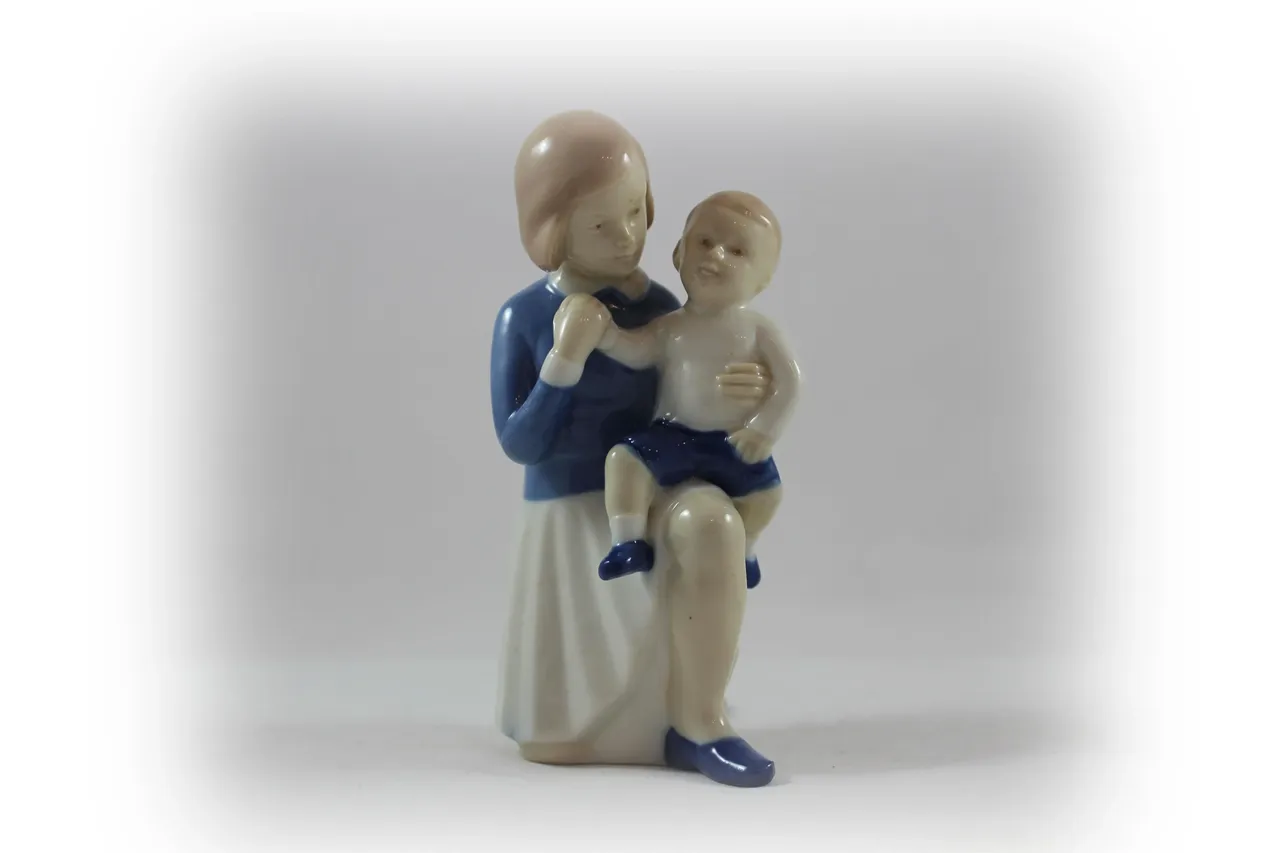
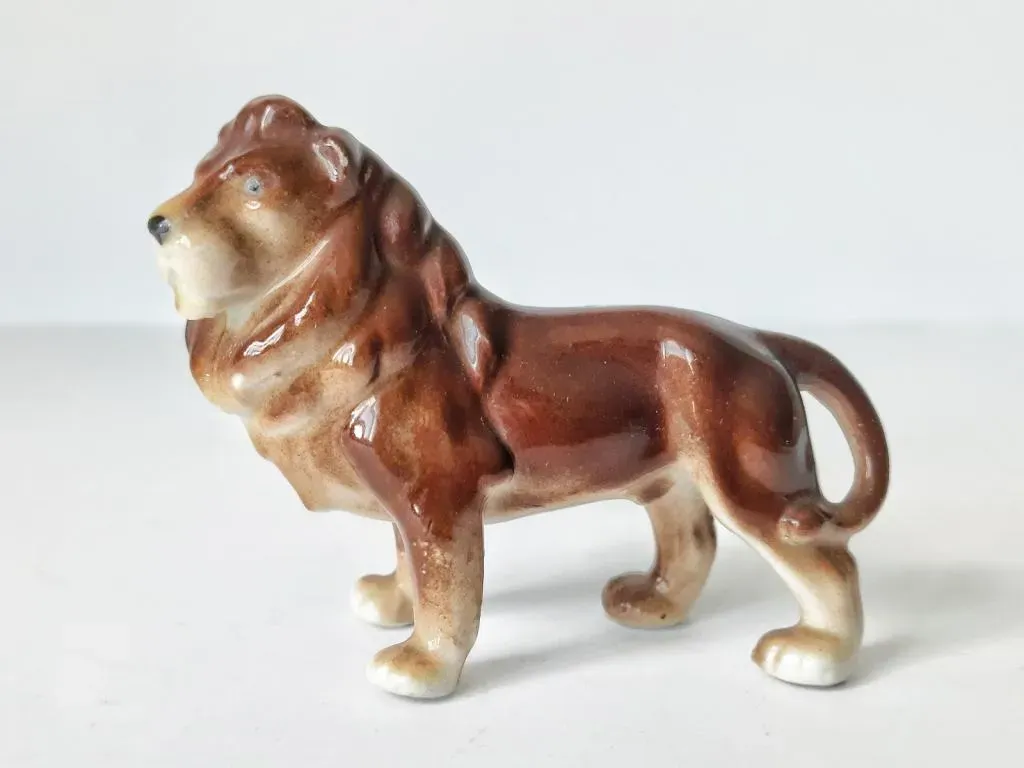
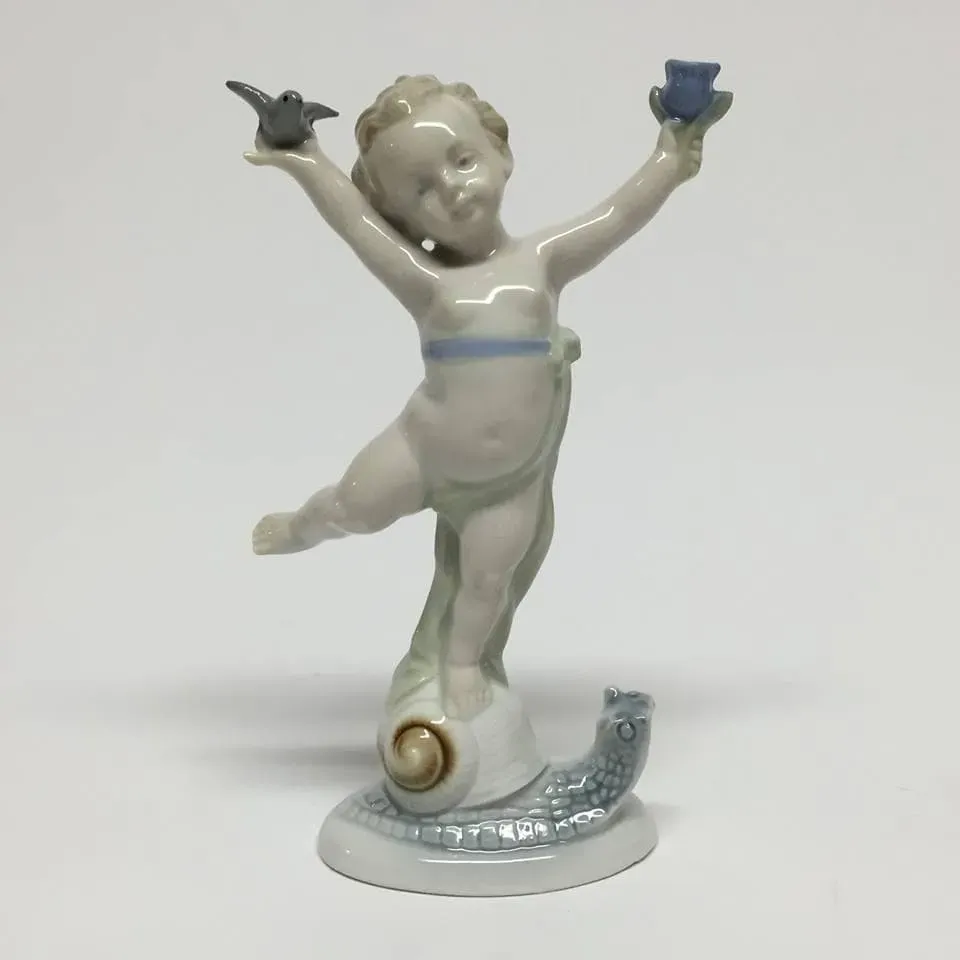
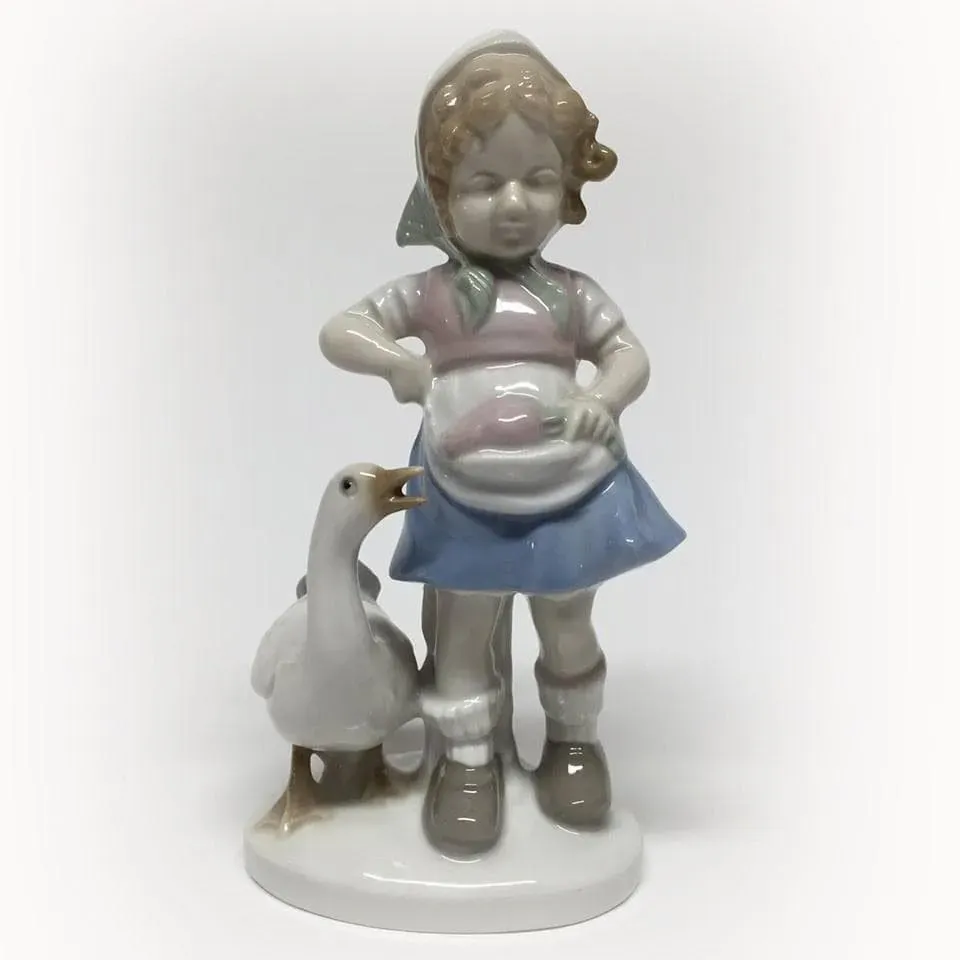
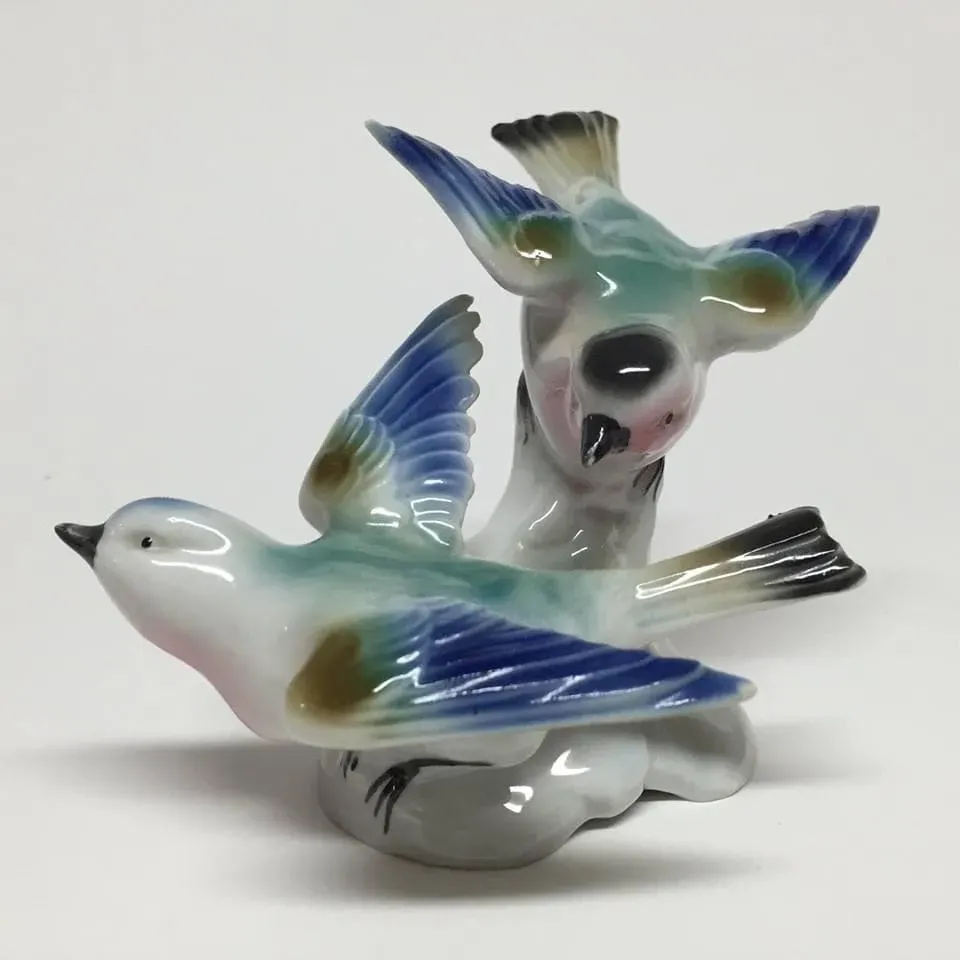
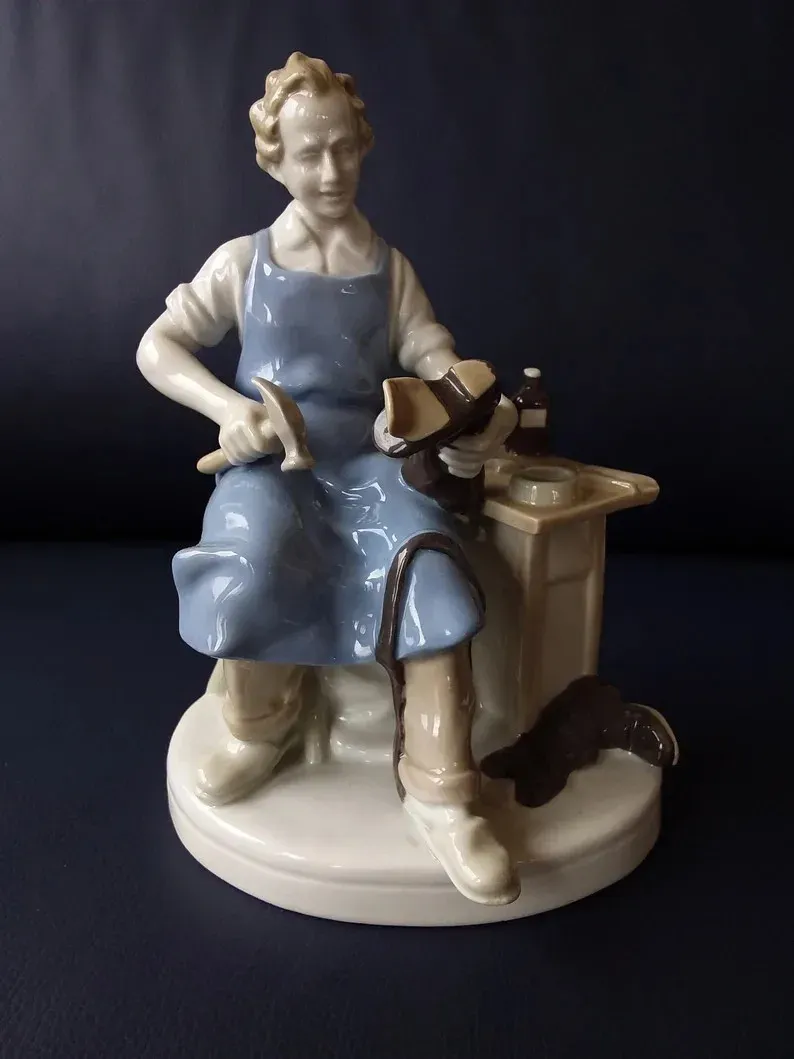
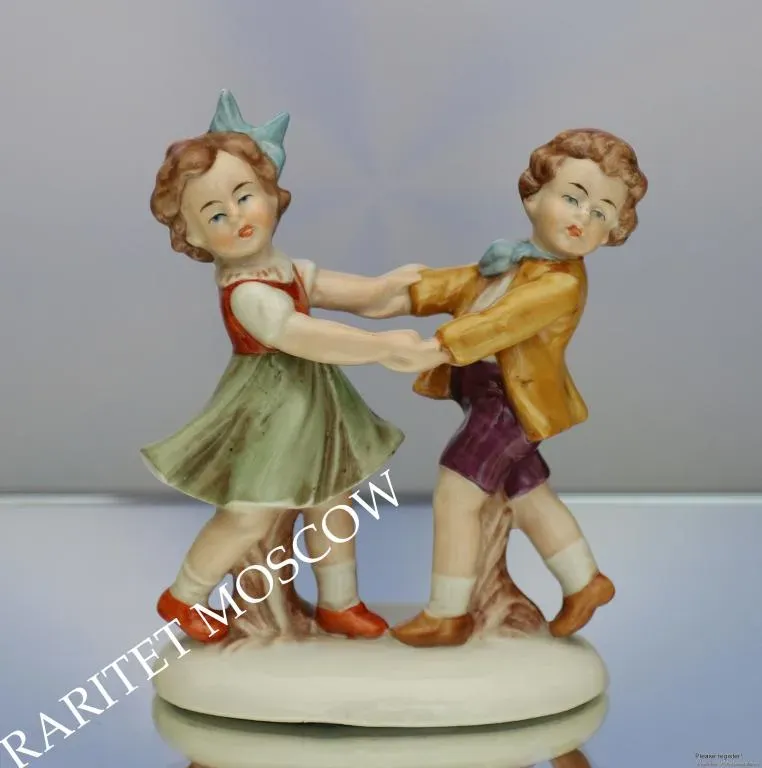
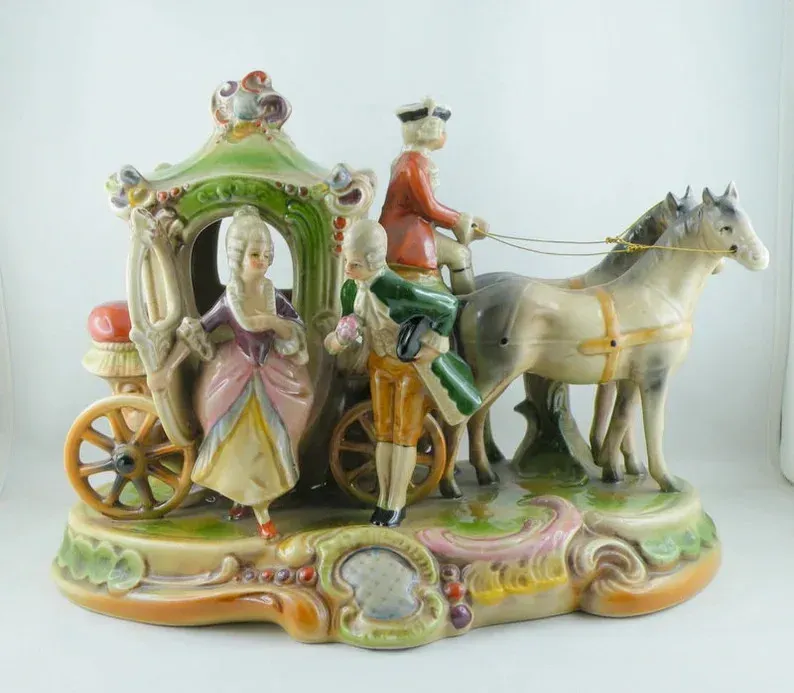
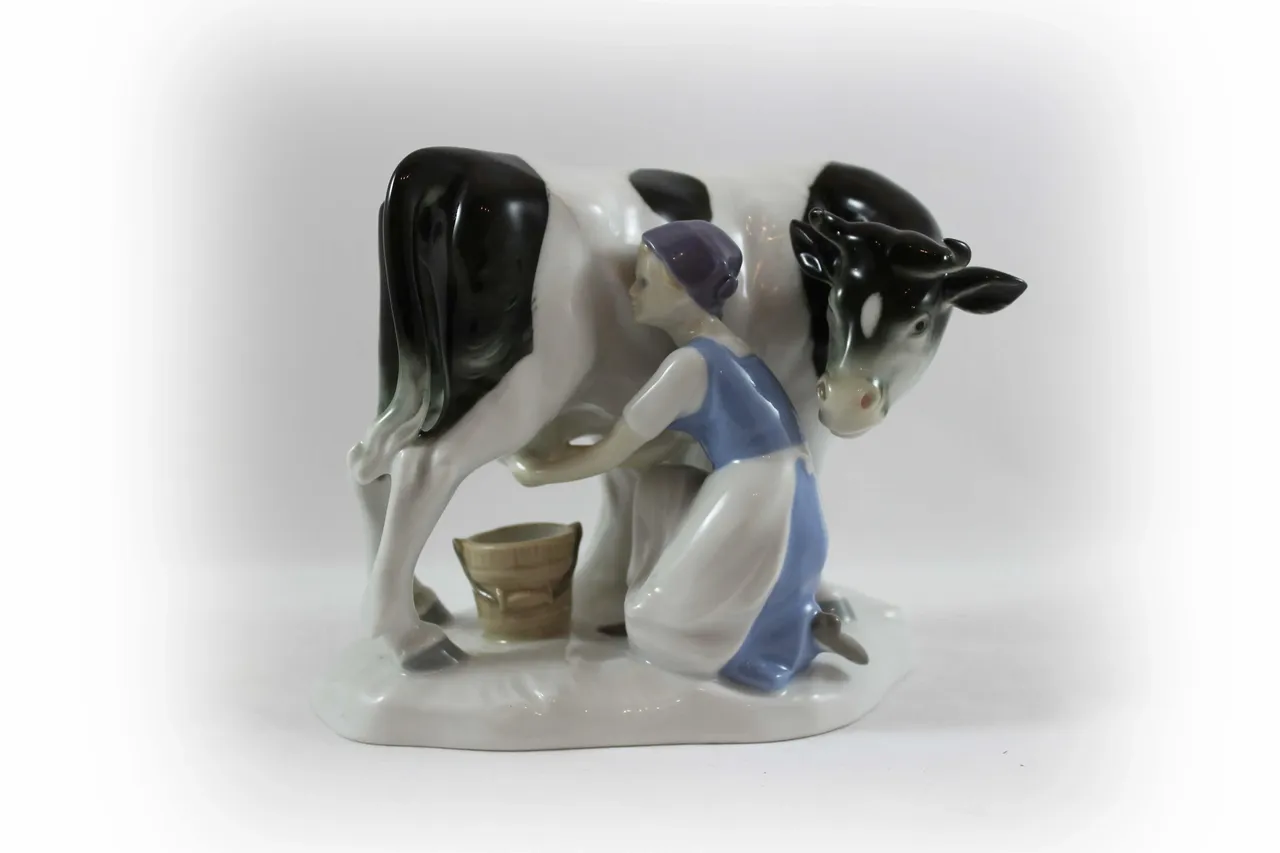
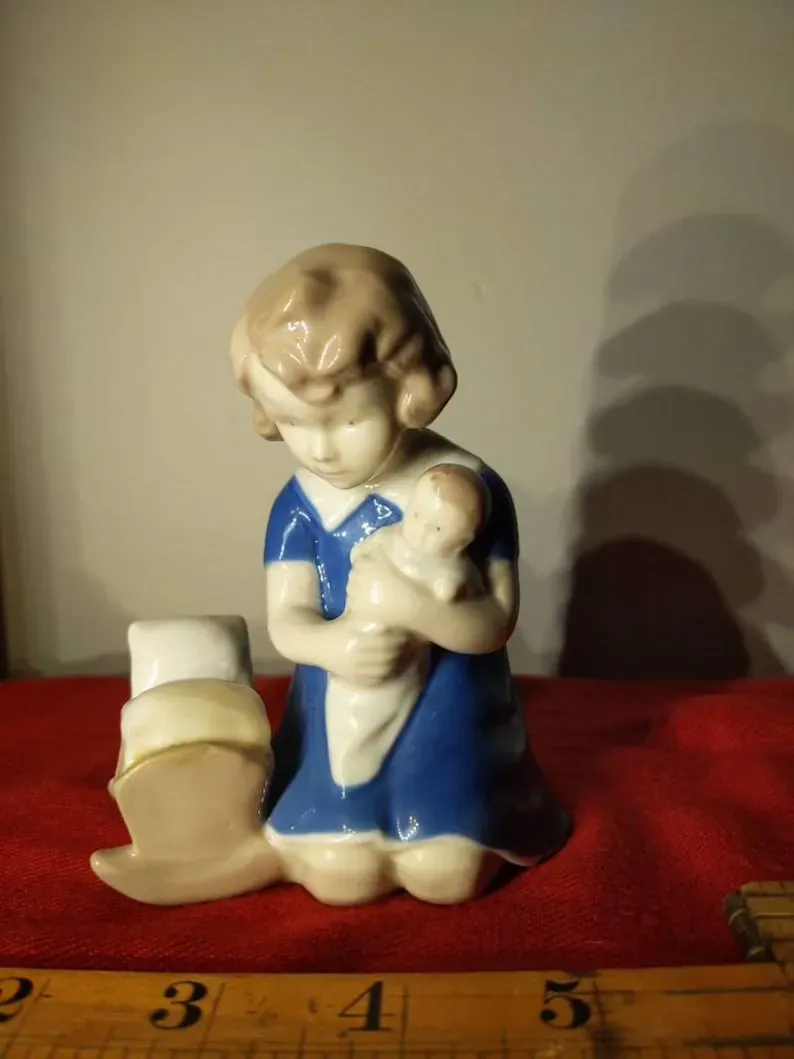
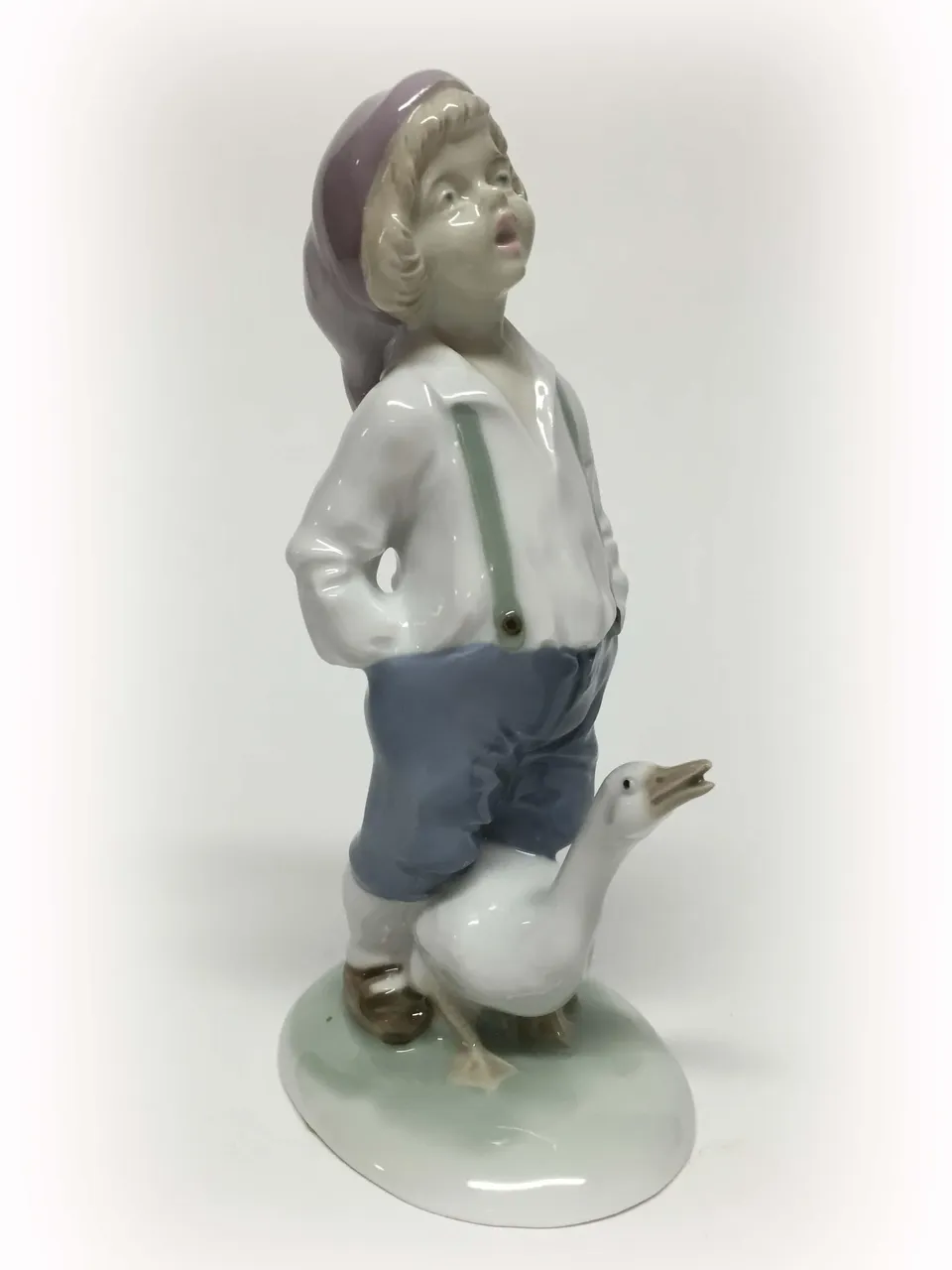
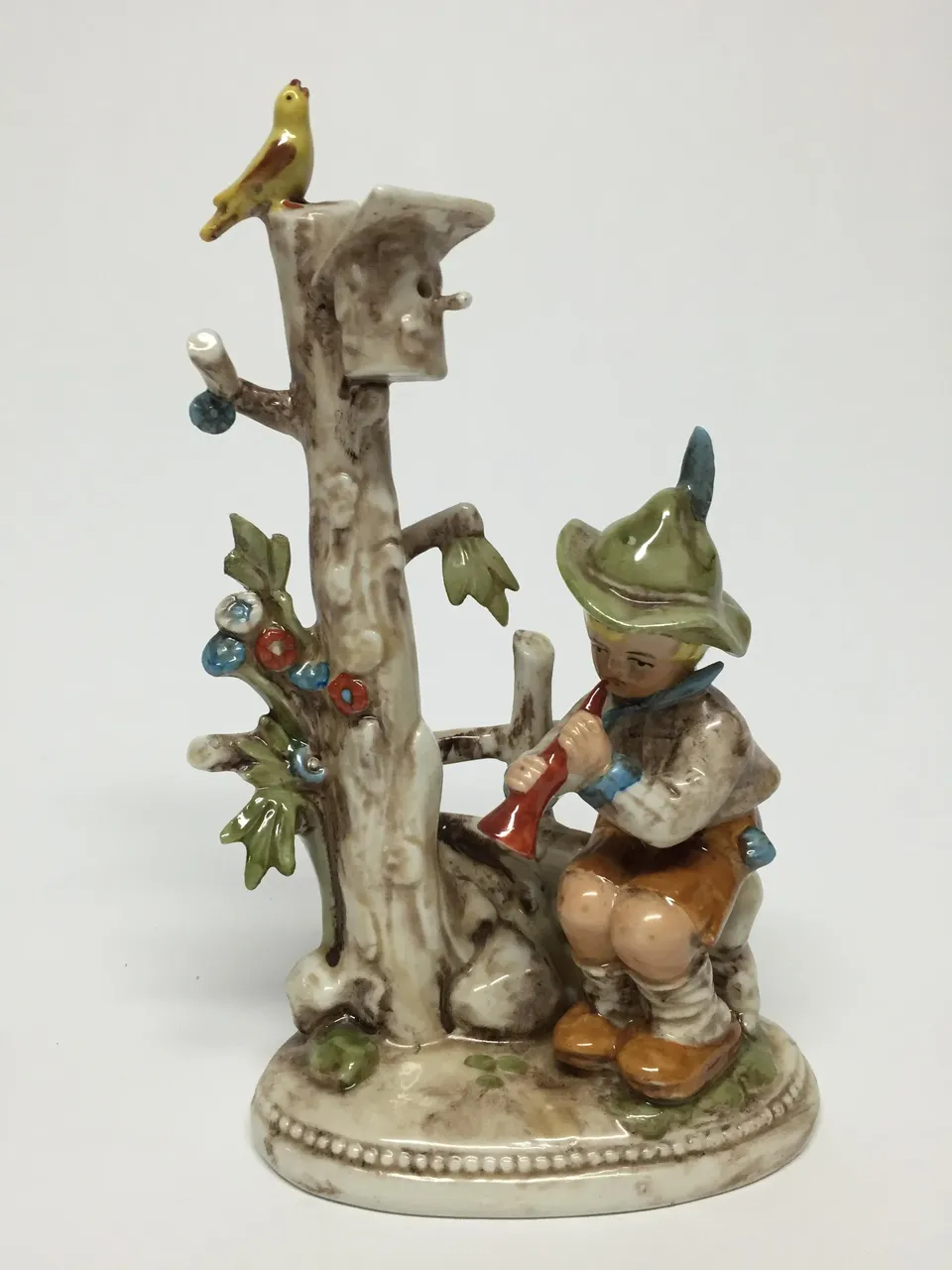
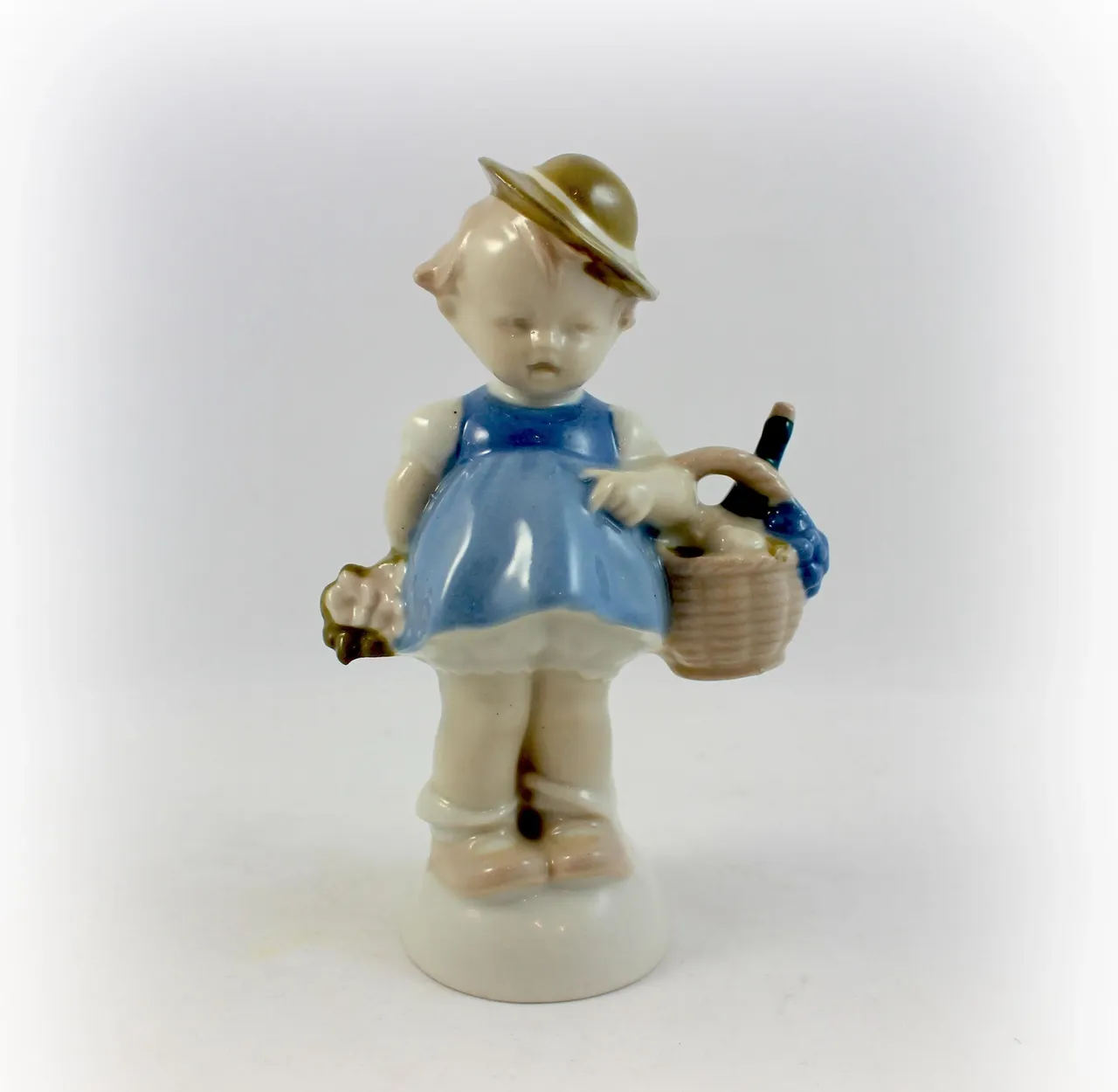
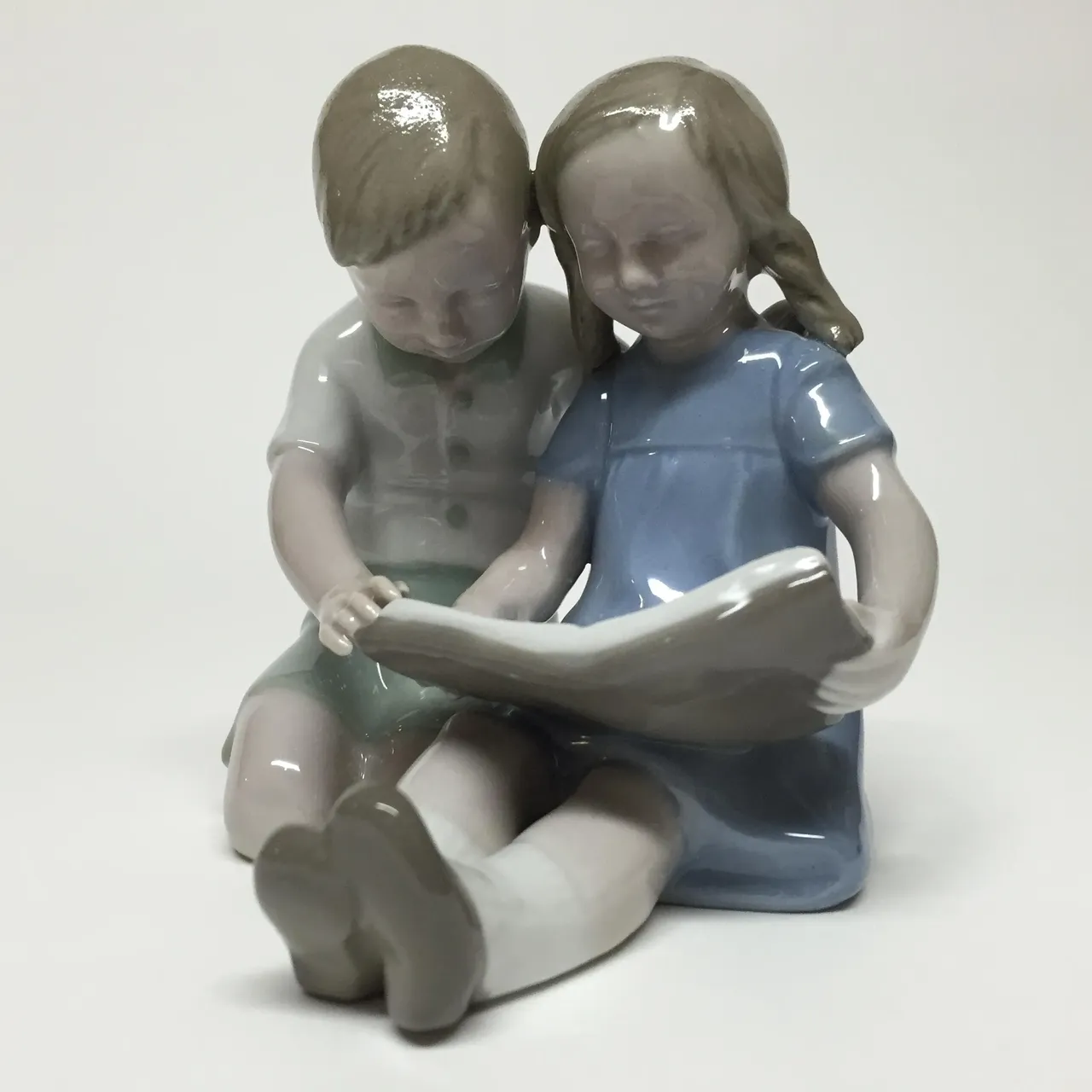
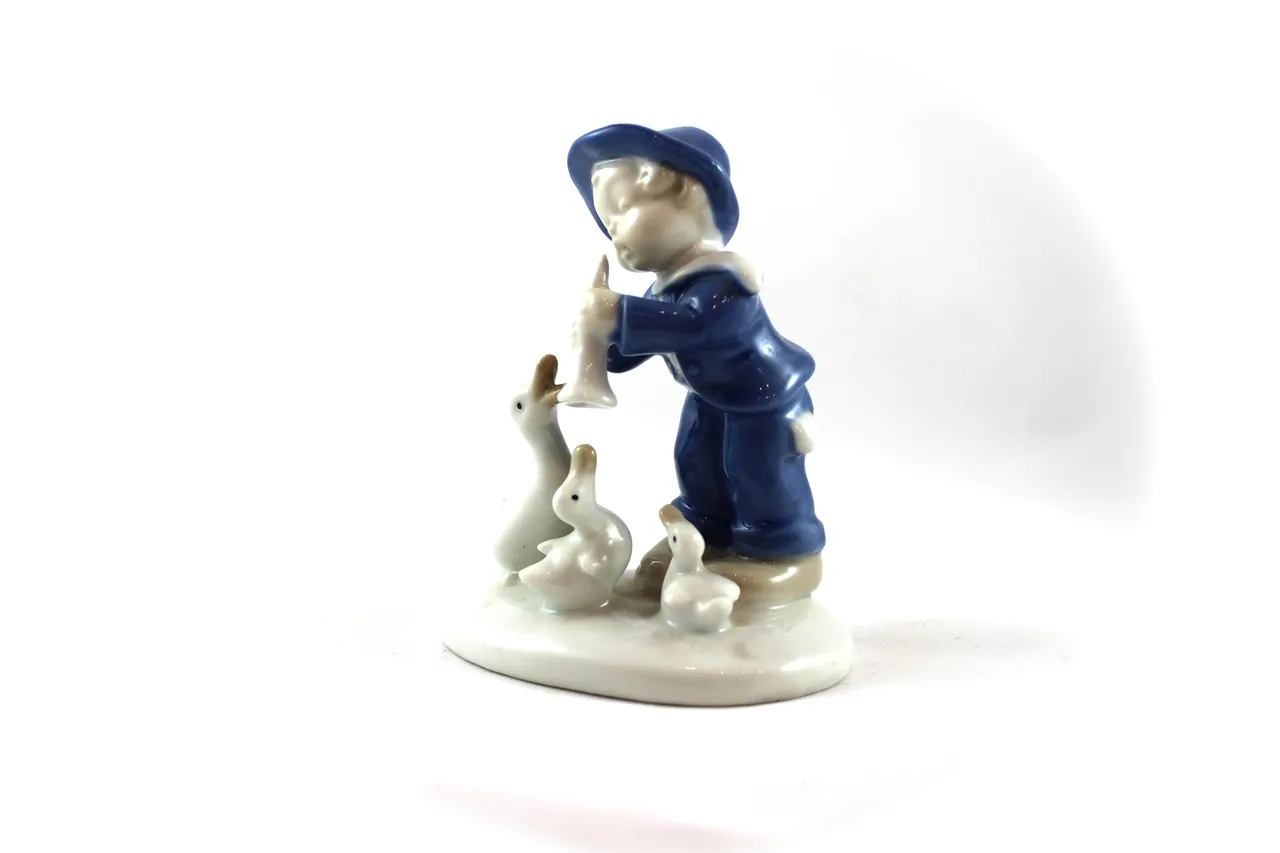
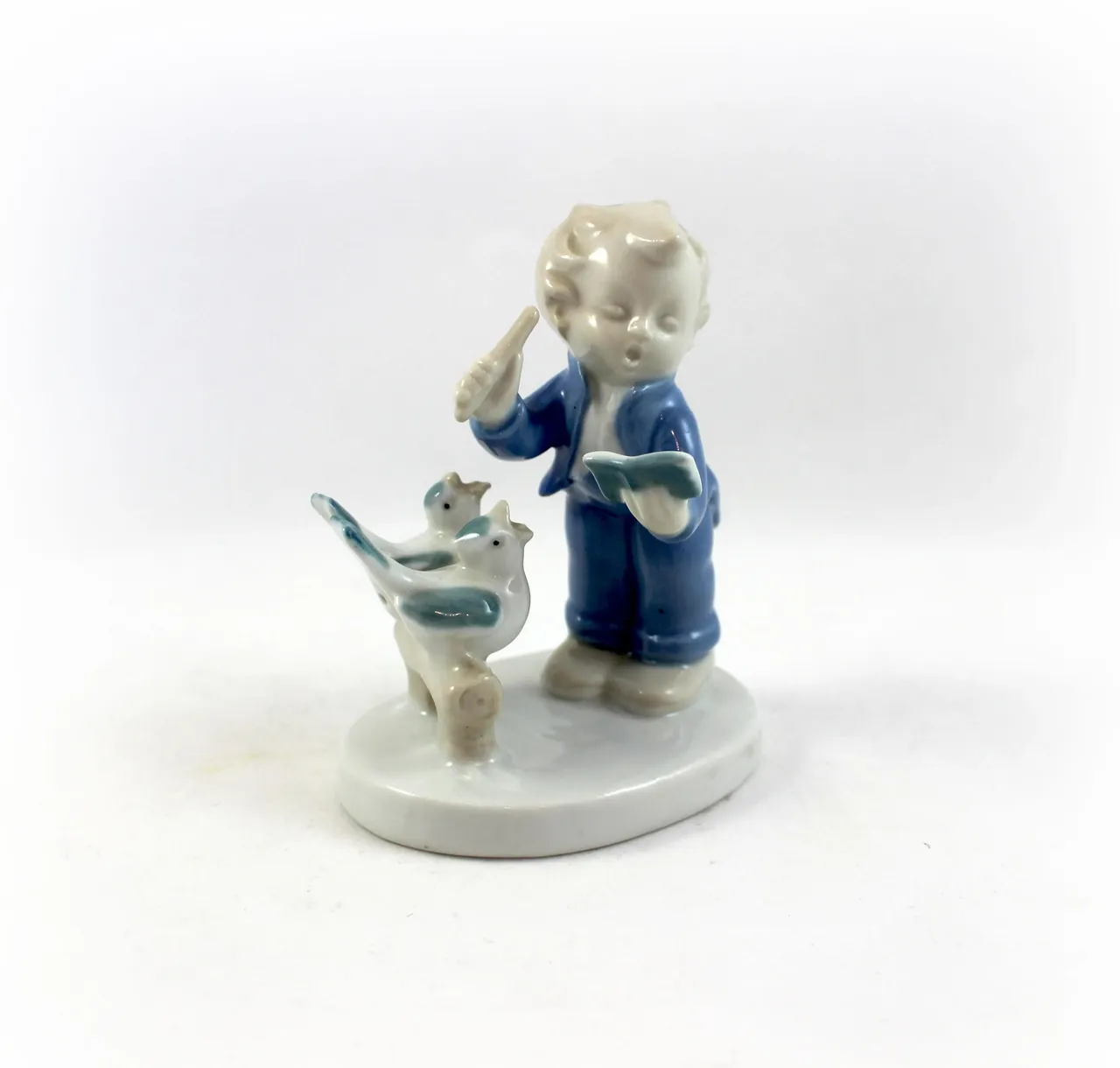
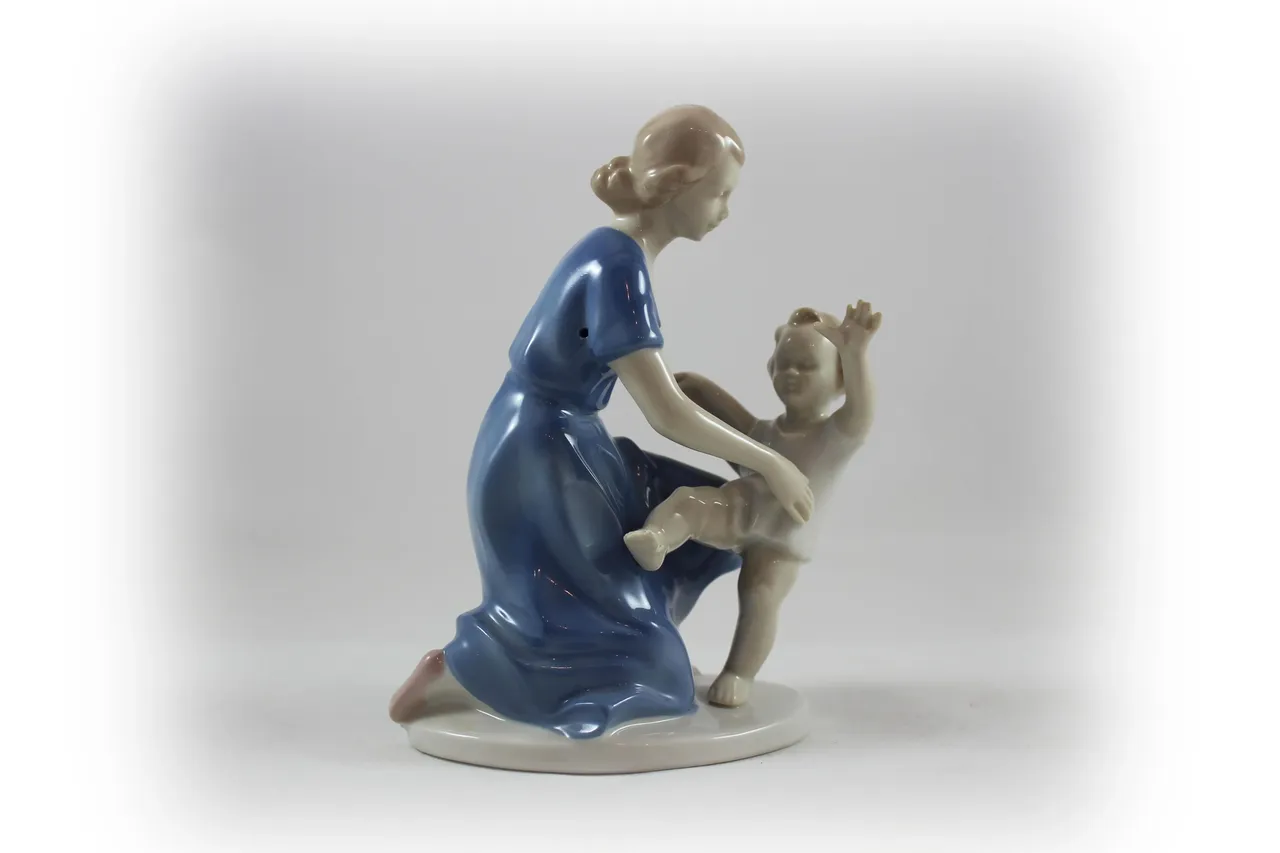
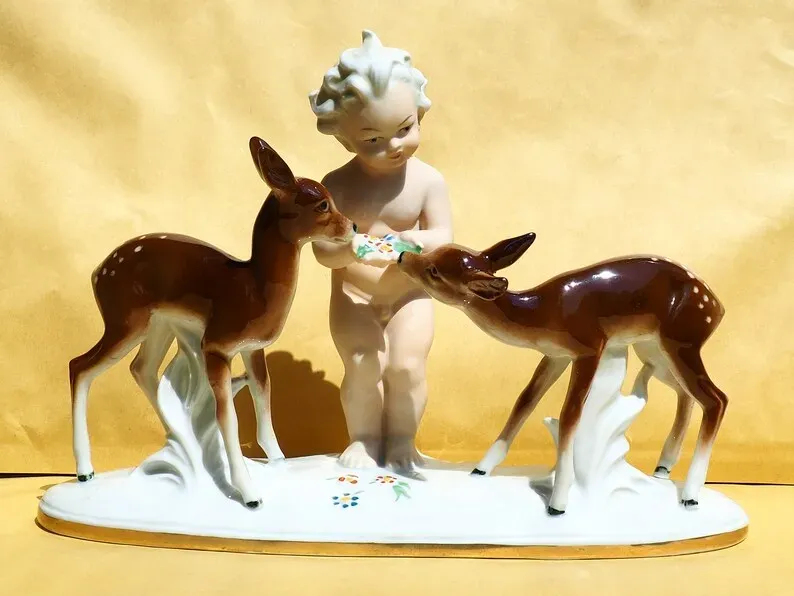
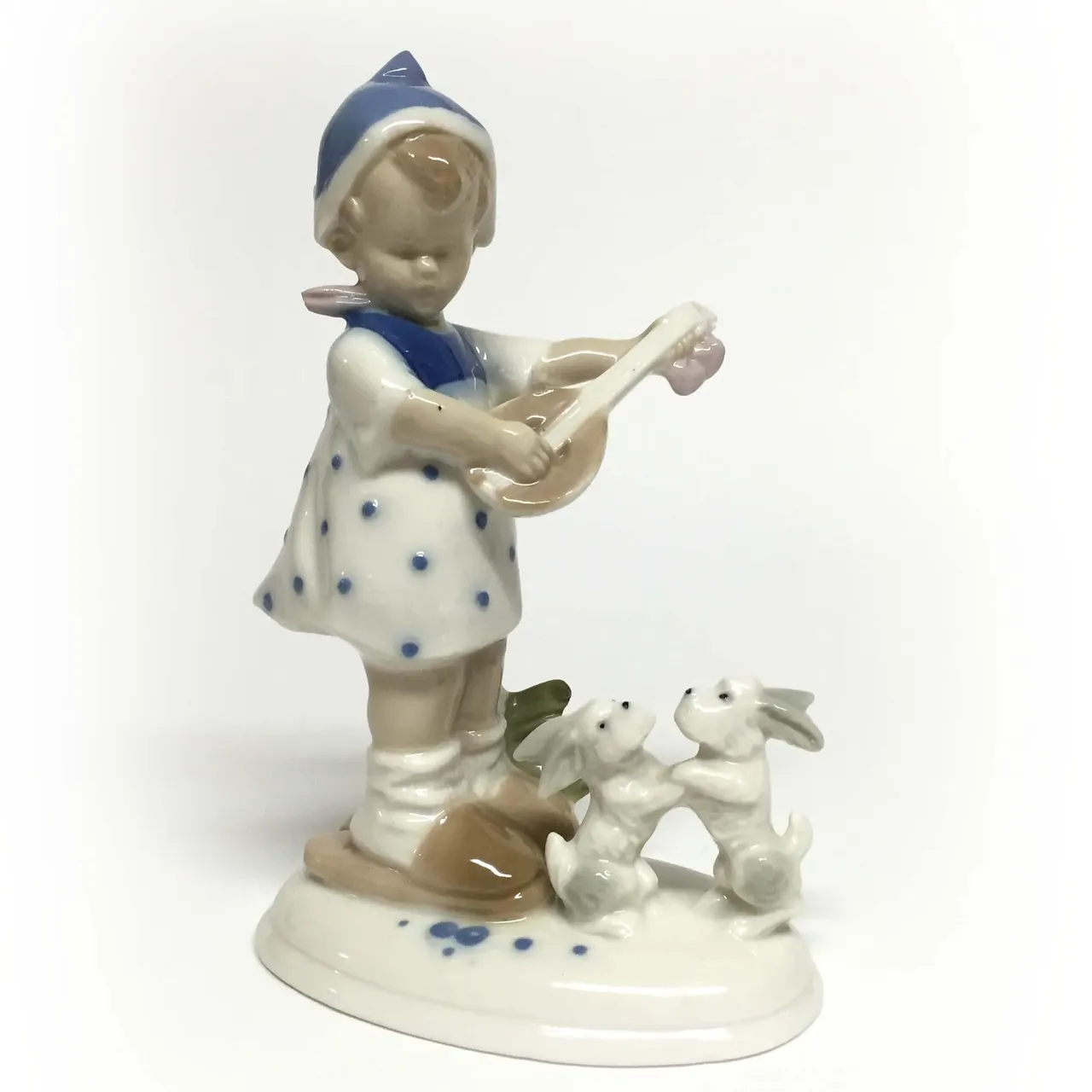
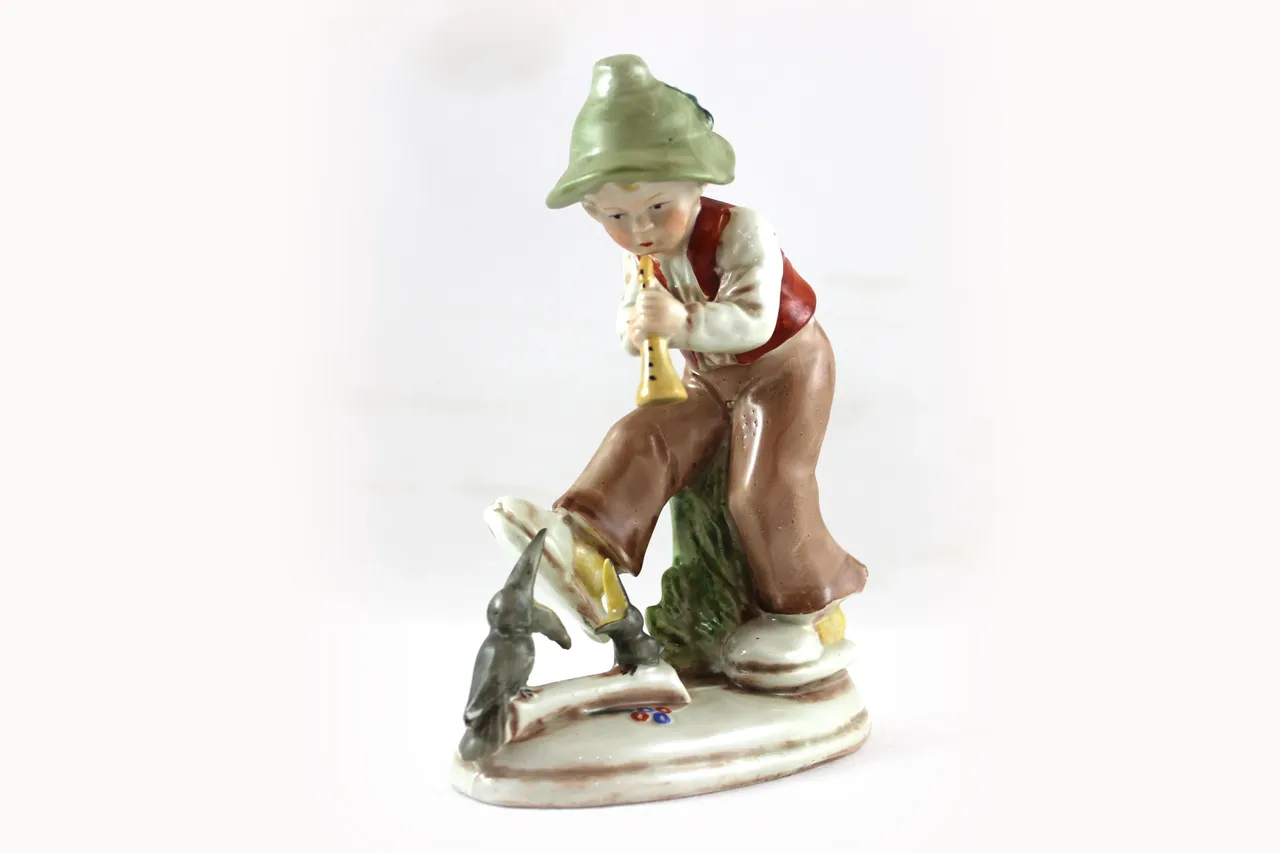
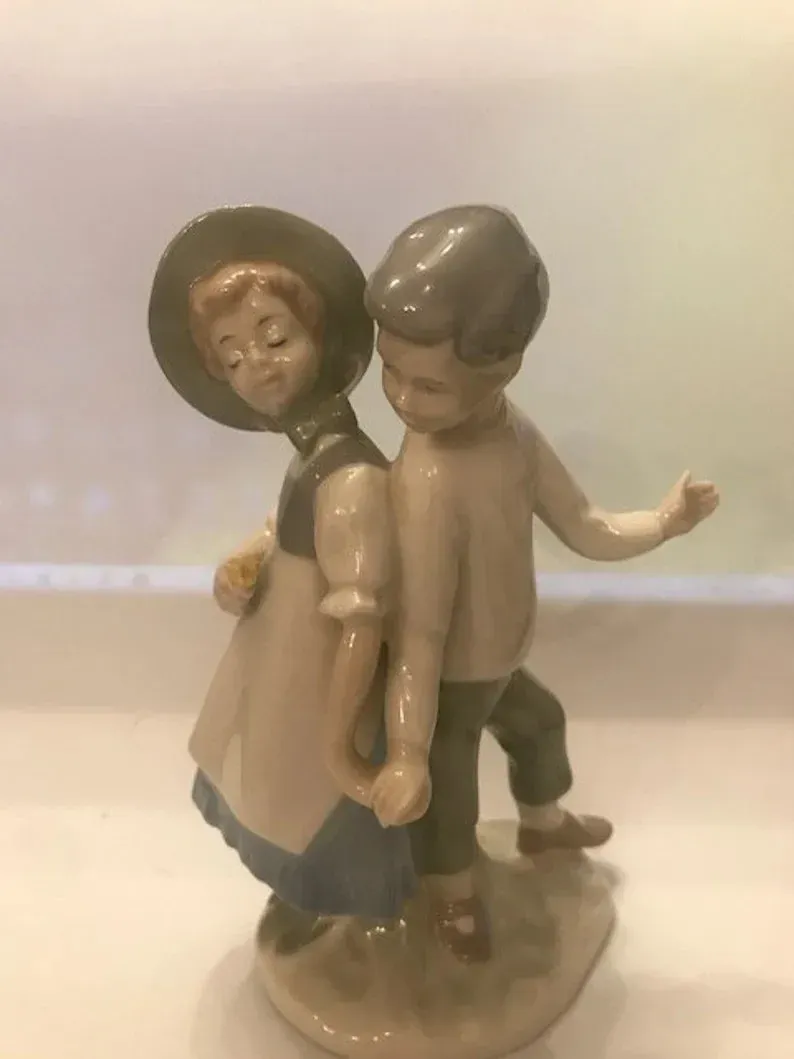
One of the amazing features of porcelain production, independent of any specific country or location, is that at the origins of practically every manufactory there are incredible individuals who stand out noticeably from their contemporaries. Possessing charisma, creative potential, entrepreneurial acumen, and a certain degree of adventurism, they manage to create a serious production almost from scratch in their short human lifespan. They endow it with a charge of some internal energy that helps the enterprise survive all external upheavals (which, unfortunately, were particularly abundant in the 20th century) and stand firm long after the death of its creator. Such a person was Karl Scheidig. In 1906, when he decided to open a porcelain manufactory in Thuringia, in the town of Gräfenthal, few believed in his success. Of course, it must be noted that the location was chosen wisely: the railway station minimized transportation costs, plus the region, favored by industrial giants, supplied a lot of raw materials from which one could carve out their own piece. On the other hand, large manufacturers in the region, such as Weiß, Kühnert & Co., Unger, Schneider & Co. in Gräfenthal, and Leube & Co. in neighboring Reichmannsdorf, could seriously overshadow the life of the new enterprise. However, Karl Scheidig had his own ideas on this matter. Analyzing the product range of his competitors, he decided to focus on niche products not represented in the catalogs of his neighbors. In addition, at the first opportunity, he started sending free samples of his products to major clients. The calculation proved to be correct. Buyers, placing large orders at the neighboring large factories, inevitably stopped by Karl Scheidig to find the required items that they could not find in the showrooms of the major manufactory. Soon, local designers and artists noticed the new factory.began to transition to Karl Scheidig, fascinated by the freedom of ideas and creativity that he offered. In 1913, 7 years after its opening, there were already 160 people working in production. In 1925, the entrepreneur bought the Steinbrenner & Co factory in Reichenmansdorf, as the existing capacities were no longer coping with the rapidly growing demand. The main specialization of Karl Scheidig's manufactory became porcelain figurines and sets. By 1930, the staff had already reached 250 people, and the products of the Grevental manufactory were sold through catalogs even overseas. Unfortunately, World War II practically destroyed the factory in Grevental. With the division of Germany, Thuringia went to the German Democratic Republic, so Karl Scheidig's manufactory had to adapt to the new socialist realities, such as planned economy and supervision of economic activities. The enterprise, however, remained privately owned for some time under the management of the board of directors and strict government control. Export of products was only allowed to socialist countries. The country was in dire need of foreign currency, so in 1971 a decision was made to establish exports to the West. The socialist authorities of East Germany believed that contact with capitalists could corrupt the workers and management of the factory, and in order to avoid this, production was nationalized in 1972. After the end of the war, a gradual reduction in the assortment of products produced can be traced. After nationalization, this trend took on enormous proportions. More and more patterns and forms were sent to the archive in the deep basements of the factory, as it was easier for production to concentrate on the production of simple products in order not to fall behind the plan imposed from above. After the reunification of Germany in 1990, Karl Scheidig's manufactory had to start its difficult journey from scratch again. The situation was exacerbated by the decision of the authorities preThe building of the factory in Reichenhainsdorf was transformed into a museum, so the company, especially in the early days, survived only by selling off the remaining stocks of products from the GDR era. The new owners decided to turn to the only valuable resource they had left - the history of the manufactory. Fortunately, everything that the heart could desire was waiting in the factory's archives: catalogs, color guidebooks, photographs, and even old molds for casting figurines. Since then, almost twenty years have passed, and we can see that the Karl Scheidig manufactory is once again standing strong. There are now over 10,000 models in the current catalogs - an impressive number. But most importantly, the founder's name has returned to the factory's name - Porzellanfiguren Gräfenthal (formerly Carl Scheidig) G.m.b.H.