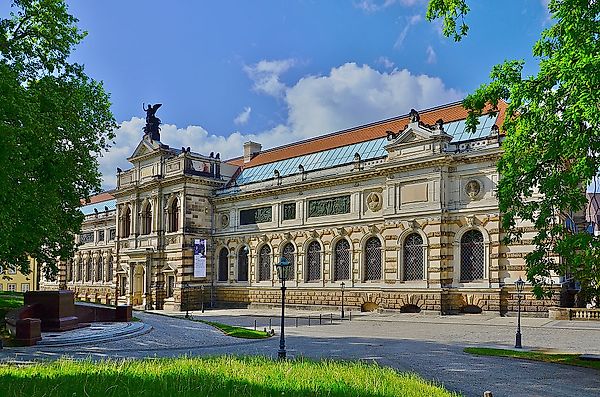
German authorities have revealed new details about the January cyberattack on the Dresden State Art Collections, suggesting the incident was more severe than previously understood. Monopol reports that the Saxon Ministry of Justice confirmed the perpetrators remain unidentified and that investigators found the attack itself lasted several days, from January 17 to 21, when the breach was detected. The Dresden State Art Collections, a network of some 15 museums in eastern Germany, announced shortly after the cyberattack was discovered that “large parts” of its digital infrastructure had been targeted. The attack left the museum group with limited phone and digital services, including online ticket sales and visitor services, though the institution itself remained open to the public. Related Articles Uffizi Museum in Florence Denies Severity of Security Breaches Resulting From February Cyber Attack Cyberattack on Dresden State Art Collections Puts Museum Network on Guard Saxony’s culture ministry added that the security systems protecting the collections remained fully intact. The case was referred to the Central Office for Cybercrime Saxony (ZCS) within the General Prosecutor’s Office in Dresden. One of Europe’s oldest museum networks, the Dresden State Art Collections encompasses the Green Vault in Dresden Castle, a Baroque treasury that suffered its own high-profile break-in in 2019, as well as the Old Masters Picture Gallery in the Zwinger Palace and the New Masters Gallery in the Albertinum. Its holdings rank among the continent’s finest, including Raphael’s Sistine Madonna, Vermeer’s Girl Reading a Letter at an Open Window, key works by Claude Monet and Auguste Rodin, as well as extensive collections of decorative arts and contemporary art. The Central Office for Cybercrime in Saxony and the Dresden Public Prosecutor’s Office, Saxony’s highest prosecutorial authority, are still investigating the motive and the mastermind behind the digital breach.