Federal Bill Creating Smithsonian Women’s Museum Scuttled Over Demand That It Honor Only “Biological” Females
57May 23, 2026
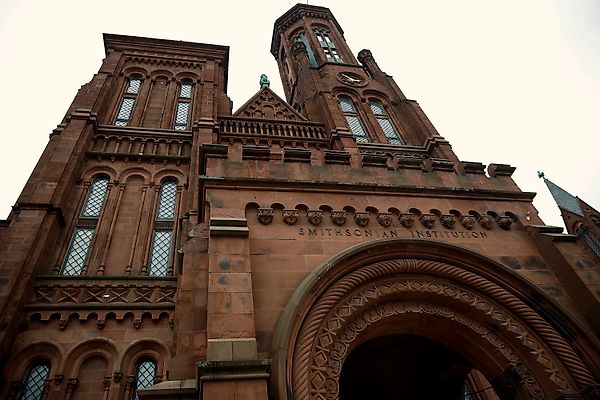
Legislation aimed at advancing the construction of theSmithsonian American Women’s History Museumin Washington, DC, failed in the House on May 21 after Democrats rejected changes added to the bill by Republicans in March, theNew York Timesreports. According toPolitico, the bill, presented by Republican Representative Nicole Malliotakis, of New York, was defeated in a 216-204 vote, with six Republicans joining democrats in voting against it.
Among the amendments that sparked Democratic ire were language affirming that the future museum would center only the accomplishments of “biological women” and a line explicitly demanding that the institution not “identify, present, describe, or otherwise depict any biological male as a female.” The changes triggered concern that the achievements of transgender women would be excluded.
Also worrying to those who voted against the bill were provisions that would have given President Donald Trump and his allies increased control over the project’s development. These included language giving Trump unilateral power to choose an alternative site for the museum, which had been set to be built on the National Mall. The amended bill also called for “an equal representation of the diversity of the political viewpoints and authentic experiences held by women in the United States” and awarded the Commission of Fine Arts and the National Capital Planning Commission approval power over the museum’s design and construction. Both entities are controlled by Trump appointees.
The museum, which has been in the works since 2020, had previously enjoyed the support of both parties. According to The Hill, more than 140 Democrats in April petitioned Republican Speaker of the House Mike Johnson to restore the original bipartisan bill but were unsuccessful in their efforts.
The Democratic Women’s Caucus earlier this week telegraphed its rejection of the amended bill. Politico reports that some Republicans felt the museum was unnecessary, while others felt that women were already represented in other Smithsonian museums and saw the creation of an institution devoted to their achievements as divisive.