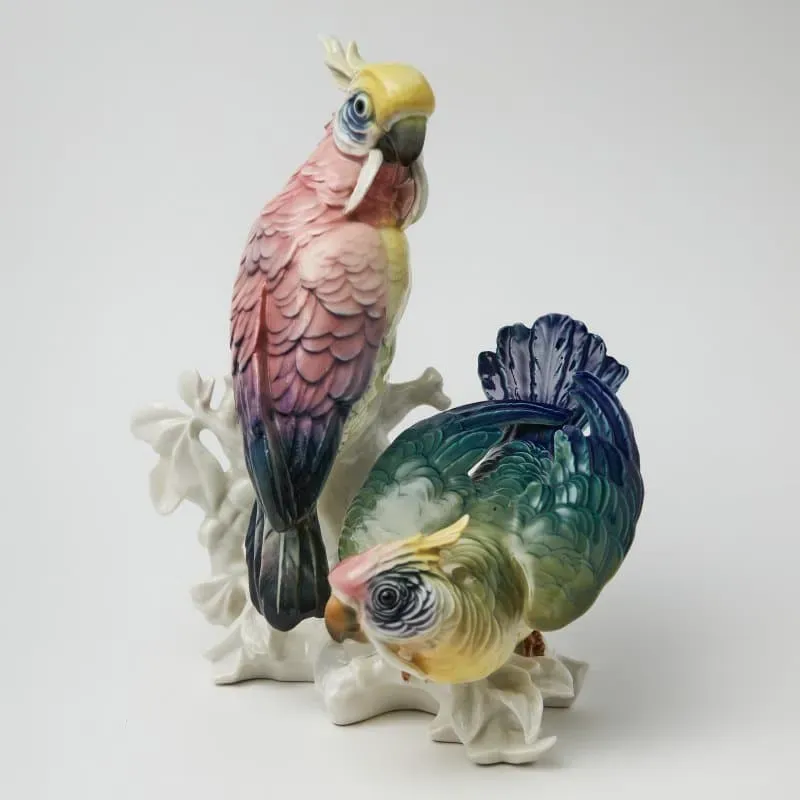
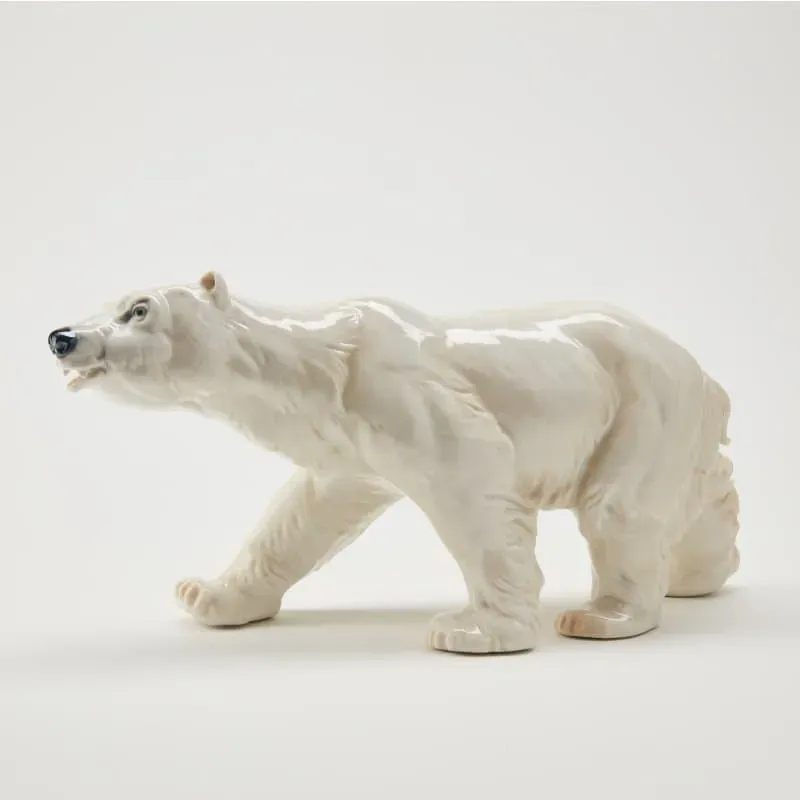
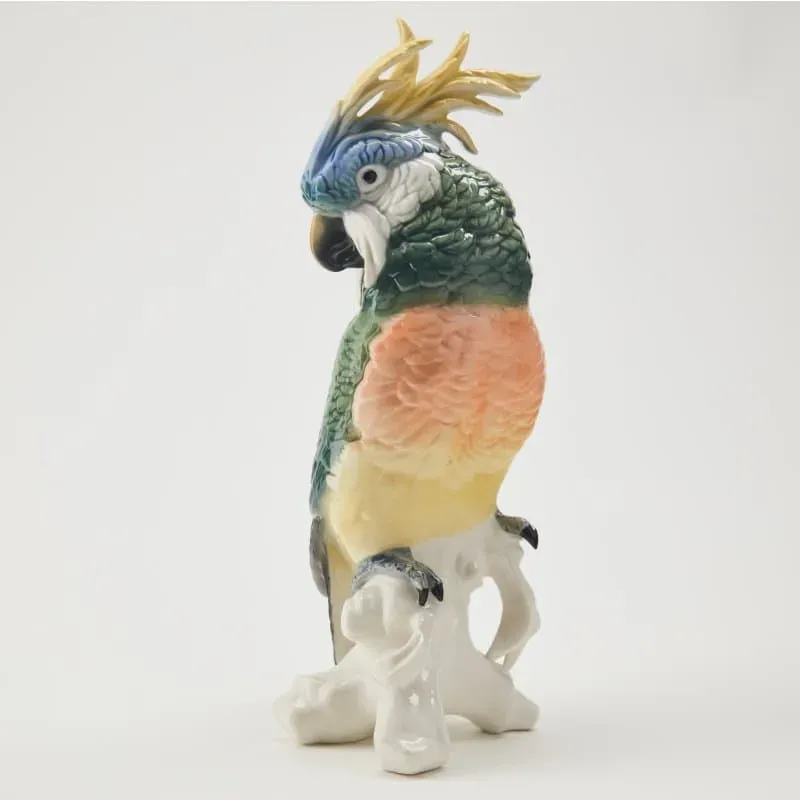
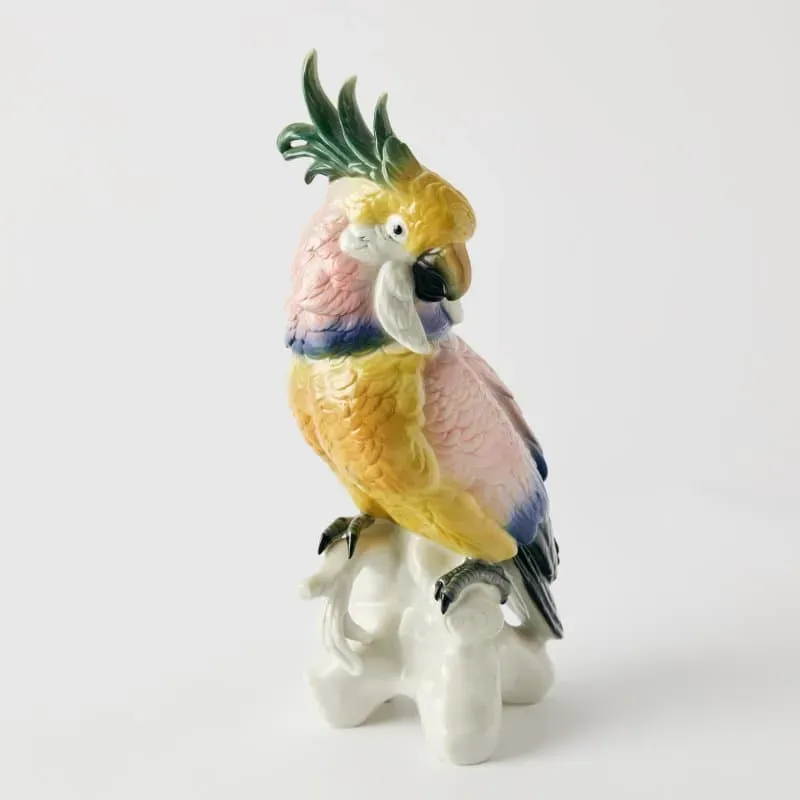
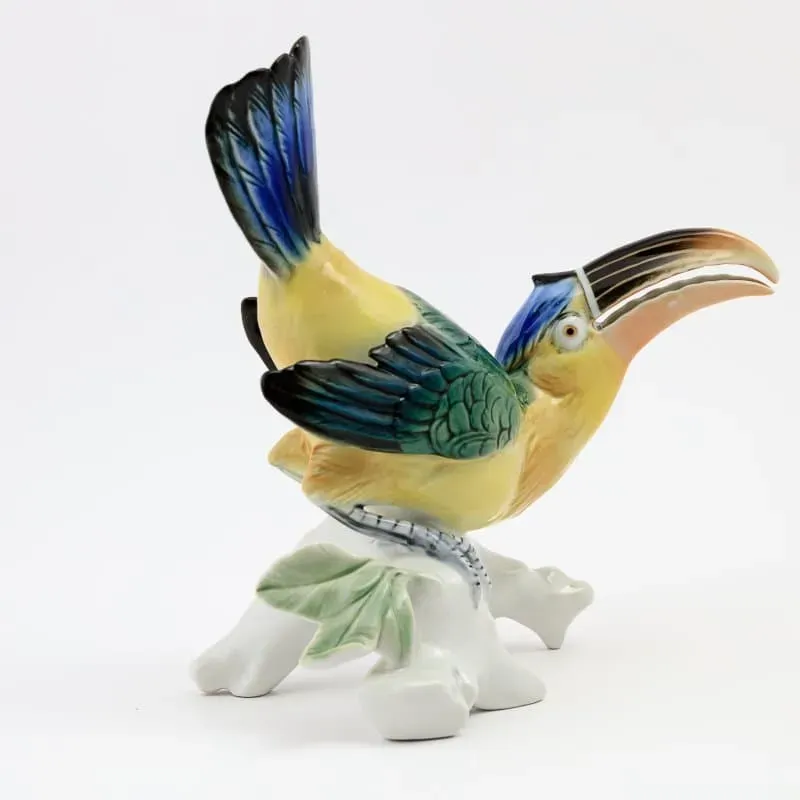
Porcelain, earthenware, ceramics
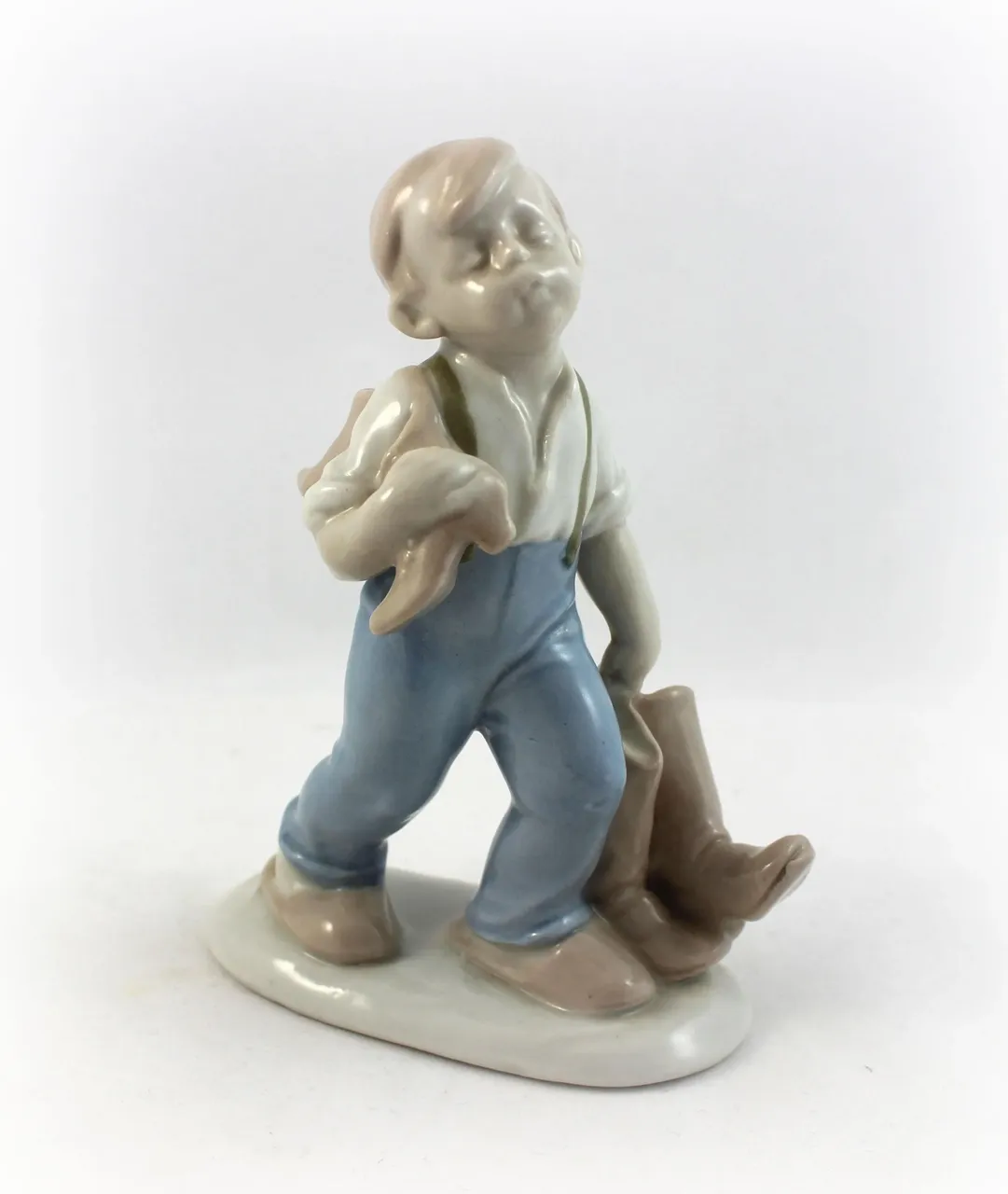
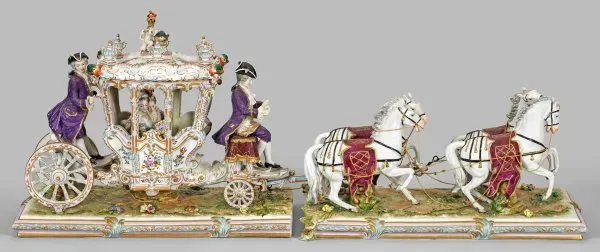
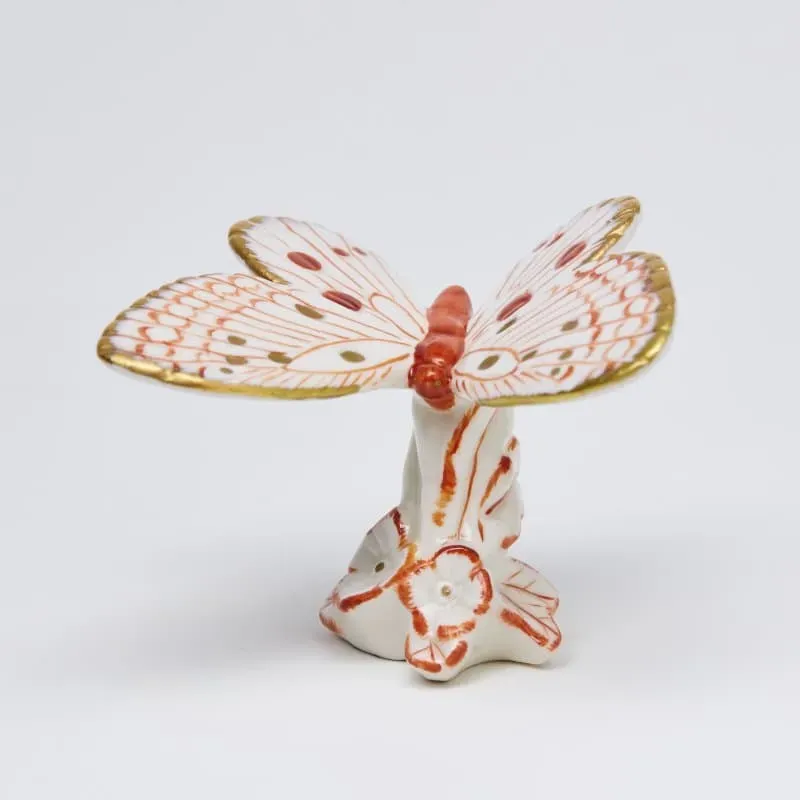
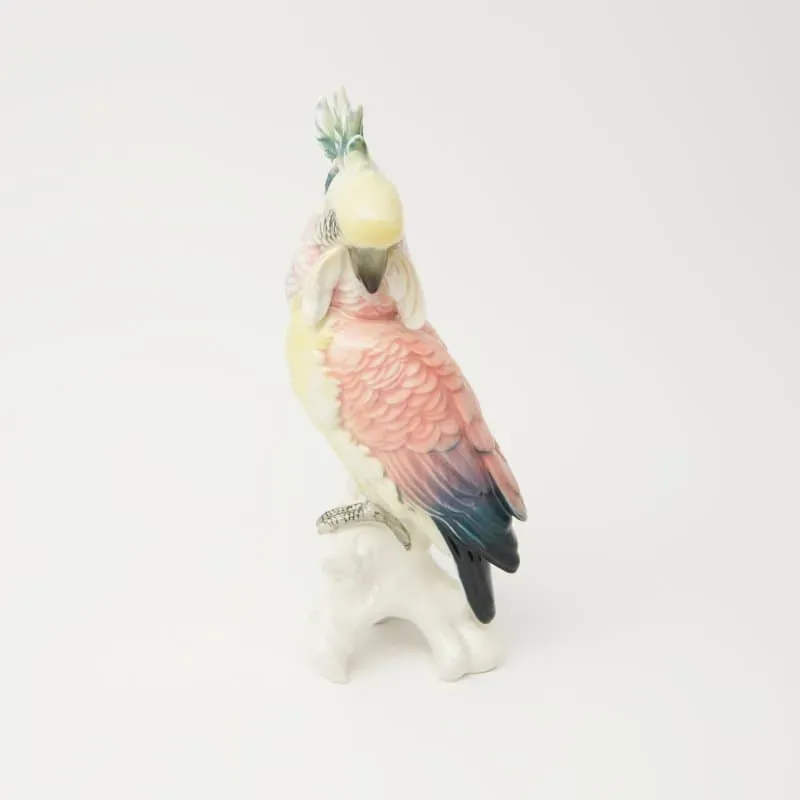
Karl Ens is a German name.
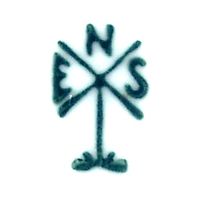
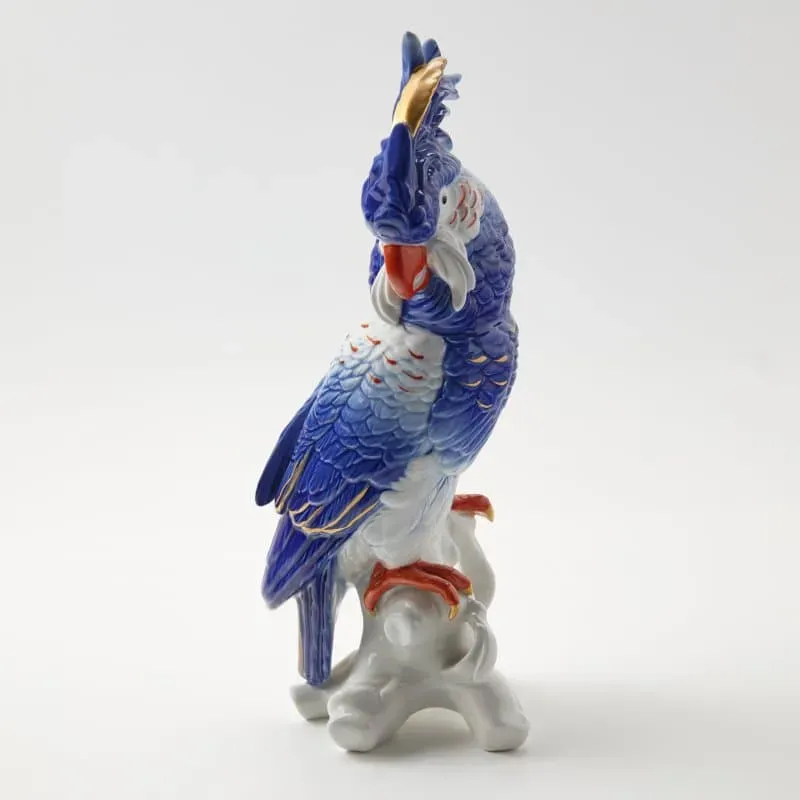
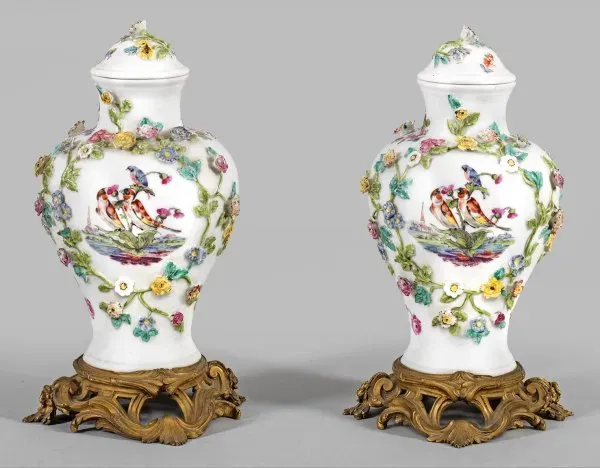
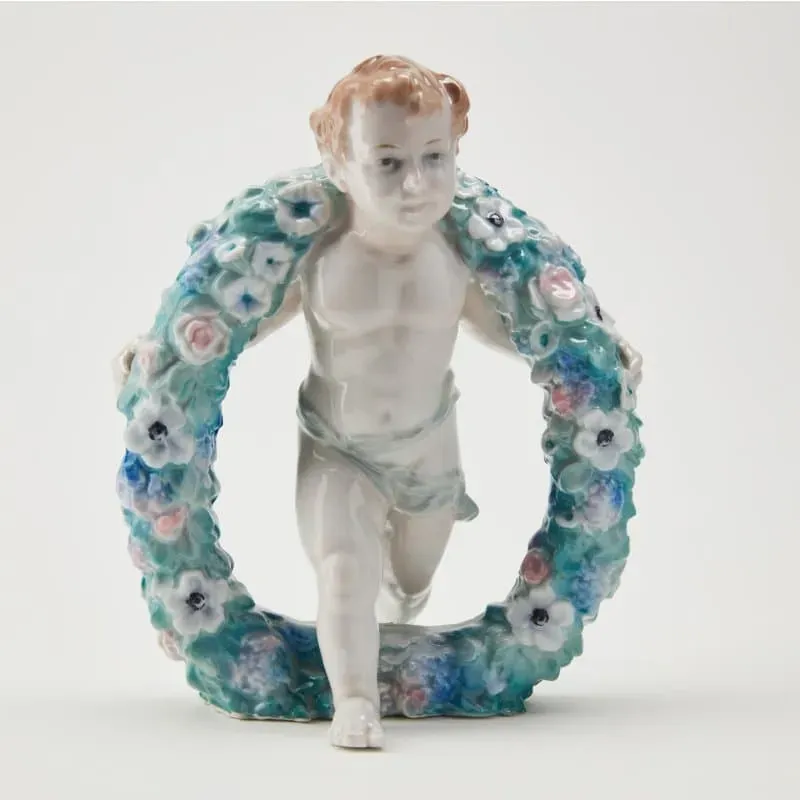
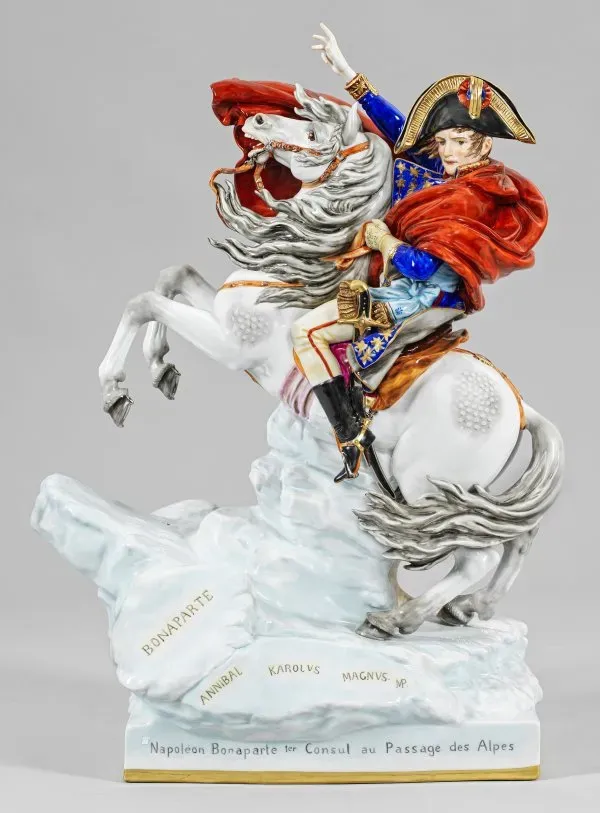
Porcelain Factory The factory was founded in 1898. Karl Ens Jr. and his sons left the Volkstedt factory, owned by Karl Ens Sr. and Triebner since 1861. At that time, the company was called "Triebner, Ens & Co", and Karl Ens Jr. and his brother Eduard Ens worked as porcelain designers there, contributing to the company's success with their designs. The Volkstedt factory produced a wide range of products, from cups and butter dishes to large decorative plates and wash basins, from tea sets to vases and figurines. The Ens dynasty has a long history in porcelain. Johann Karl Ens was involved in the porcelain industry in Thuringia as early as 1780. His son Friedrich continued the family business and won various awards for his unique genre paintings and hunting scenes in Sydney, Melbourne, and Vienna in 1937. By 1855, he had 150 employees in Lauscha. Karl Ens Jr. continued and improved upon his predecessors' long-standing business. He owned the company until 1910 when it was taken over by his son Paul Ens. In 1927, Edward and Herman Ens took over the company, and in 1959, the German government became the majority shareholder. In 1972, the factory was nationalized and renamed "VEB Unterglasurporzellanfabrik". From 1974 to 1990, it was known as "Betriebsteil 1 des VEB Sitzendorfer Porzellanmanufaktur". In 1990, it was privatized again.