Julian CharriÈre and Cecilia VicuÑa Win LA MoCA’s Inaugural Environment and Art Prize
152Nov. 1, 2024
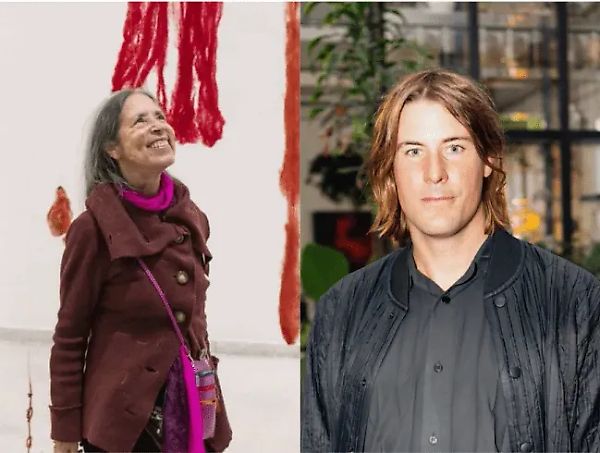
The Museum of Contemporary Art, Los Angeles (MoCA) has named interdisciplinary artistJulian Charrièreand artist, poet, and activistCecilia Vicuñaas the inaugural winners of its newly establishedEric and Wendy Schmidt Environment and Art Prize. The honor is intended to be awarded biennially to a single artist whose work “foregrounds pressing environmental concerns and engages communities in thought-provoking, creative solutions,” according to a press release; however, the jury found that Charrière and Vicuña possessed “unique yet complementary approaches to addressing environmental issues through art,” and the Schmidts agreed to fully fund prizes for both. Each will receive $100,000 and institutional support from the museum toward the development of a related commissioned project, to be presented at the museum in 2026.
Charrière, who was born in Morges, Switzerland, in 1987, is known for a practice encompassing film, photography, and sculpture, and exploring such remote ecological locations as volcanoes, glaciers, and radioactive sites. A onetime student of Olafur Eliasson’s Institute for Spatial Experiments, Charrière for his MoCA commission will examine, through an immersive installation, the fragility and resilience of planetary water systems.
Vicuña, who was born in Santiago, Chile, in 1948, entered exile following the violent CIA-backed coup against Chilean president Salvador Allende in the 1970s. Through performances, large-scale installations, and textile sculptures, she investigates issues such as climate change, feminism, and social justice. Her MoCA commission will continue her long-running series of quipus, strands of knotted fibers that reference the ancient Andean communication system, here in response to the prompt “to dream the return of water.”
“Julian Charrière and Cecilia Vicuña are two extraordinary artists who have dedicated their careers—and lives—to illuminating the connections between environmental degradation and cultural memory,” said MoCA director Johanna Burton in a statement. “Their visionary practices, which engage deeply and distinctly with history, materiality, and society, help to reshape the way humans consider our relationships with the natural world.”