Four Artists Among Recipients of 2024 MacArthur Fellowships
167Oct. 2, 2024
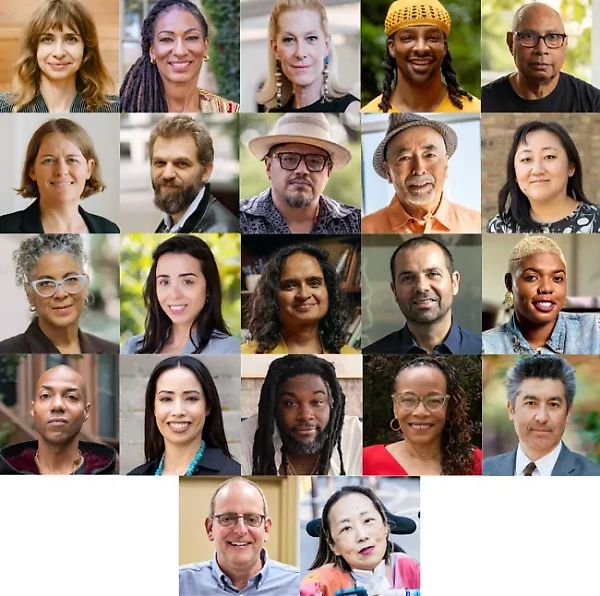
Performance artist Justin Vivian Bond, video artist Tony Cokes, sculptor Ebony G. Patterson, and photographer Wendy Red Star have been named as among the 2024 class of MacArthur Fellows by the John D. and Catherine T. MacArthur Foundation. The four join eighteen other recipients of the transformative “genius” grants issued this year by the foundation and recognizing individuals in a broad range of fields including sociology, computer science, and oceanography. Each fellow receives an $800,000 stipend, with no strings attached.
“The 2024 MacArthur Fellows pursue rigorous inquiry with aspiration and purpose. They expose biases built into emerging technologies and social systems and fill critical gaps in the knowledge of cycles that sustain life on Earth,” said MacArthur Fellows director Marlies Carruth in a statement. “Their work highlights our shared humanity, centering the agency of disabled people, the humor and histories of Indigenous communities, the emotional lives of adolescents, and perspectives of rural Americans.”
The New York–based Bond is known for using performance, particularly cabaret, to investigate politics, culture, and history as they relate to queer and trans communities. A stalwart on the downtown scene for decades, they first gained wide attention in the mid-1990s for their role as Kiki DuRane in the lounge act Kiki and Herb, which responded to the AIDS crisis with inventive and humorous songs and performances. Recent solo outings includeJasmine and Cigarettes: Songs from the Hippy CountercultureandNight Shade, both 2024.
Cokes, who lives and works in Providence, Rhode Island, superimposes text phrases over colored backgrounds or images to comment on subjects including racism, pop culture, and violence. Typical of his oeuvre isEvil.16 (Torture.Musik), 2009–11, which lays bare the torture of government prisoners under the administration of George W. Bush. The video features fragments of a text on extreme coercive tactics and is scored by songs by popular artists that were played for detainees at corrosive volume and on repeat by US troops as a method of torture.
Dividing her time between Chicago and Kingston, Jamaica, Patterson addresses concepts of visibility and invisibility through a practice encompassing painting, photography, video, performance, sculpture, textiles, and installation. Many of her works feature glitter, beads, and notions, luring the viewer in with their collective splendor and evoking intimacy. While her earlier works focused on dress as a mode of empowerment for the economically and socially marginalized, newer works are themed around postcolonial histories and regeneration.
Red Star, who is of Apsáalooke/Crow heritage and lives and works in Portland, Oregon, places the archive at the center of her practice, which examines and pushes back against colonial historical narratives, particularly as they relate to Native American stereotypes. Signature works include a 2006 series of self-portraits satirizing the dioramas within which natural history museums often frame Indigenous people; and the 2014 series “1880 Crow Peace Delegation,” a group of archival government photos of members of the Apsáalooke Nation that she appended with text explaining the meaning of the garments and jewelry shown.