Jhumpa Lahiri Declines Noguchi Award over Museum’s Kaffiyeh Ban
201Sept. 27, 2024
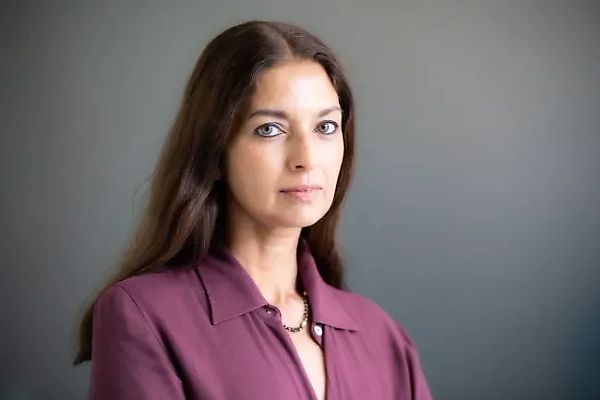
Pulitzer Prize–winning authorJhumpa Lahiri, who was slated to accept anIsamu Noguchi Awardon October 29, has declined the prestigious honor, citing theNoguchi Museum’s recent ban on employees wearing kaffiyehs to work as the reason. The Long Island City, New York, institutionfiredthree staffers for wearing the garment, a symbol of Palestinian culture, after the imposition of the ban.
“Jhumpa Lahiri has chosen to withdraw her acceptance of the 2024 Isamu Noguchi Award in response to our updated dress code policy,” said the museum in a statement reprinted by theNew York Times.“We respect her perspective and understand that this policy may or may not align with everyone’s views,” the museum continued. “We remain committed to our core mission of advancing the understanding and appreciation of Isamu Noguchi’s art and legacy while upholding our values of inclusivity and openness.”
In mid-August, after a staffer was asked to remove their kaffiyeh or face disciplinary action, museum director Amy Hau updated the institution’s dress code, forbidding employees to wear clothing or accessories bearing “political messages, slogans or symbols” while at work. The ban triggered employee protests and the circulation of a petition, signed by a majority of Noguchi Museum employees, calling for it to be rescinded and for those resisting the ban or wearing kaffiyehs not to be subject to punishment. Hau reiterated the ban, and in early September, three employees were fired for wearing the scarves to work.
Some who spoke out against the ban cast it as disappointing in light of the personal history of the museum’s founder, Japanese American sculptor Isamu Noguchi, who himself was moved to become a political activist after experiencing racism in the wake of the Japanese attack on Pearl Harbor. “The museum was not established as an advocacy or social justice organization,” said Hau in a statement published on the museum’s site, “and because Noguchi passed away in 1988, we cannot speak on his behalf or claim to represent his views on today’s complex global issues.”
The London-born Lahiri, who has won acclaim for her fiction and nonfiction work alike and who helms the creative writing program at Barnard College, had been set to be honored alongside Korean Mono-ha artist Lee Ufan in a ceremony taking place at the museum. Lahiri, through her agent, declined to comment further on the matter. Artforum has reached out to Ufan for comment.