Harvard Will Leave Sackler Name on Museum, Campus Building
197Aug. 10, 2024
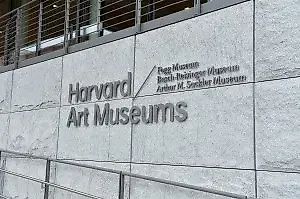
Harvard University has announced that it will retain the Sackler name on itsArthur M. SacklerMuseum, one of three art museums on its campus, and on its Arthur M. Sackler Building, which houses classrooms and offices for the Faculty of Arts & Sciences and studio space for the Graduate School of Design. The school’s decision comes after years of sustained efforts by student activists to remove the Sackler name, tainted by the family’s connection to Purdue Pharma and its role in the opioid epidemic, from campus structures.
Arthur M. Sackler in 1952 arranged the financing that allowed his brothers Mortimer and Raymond to buy the Purdue-Frederick Company. In 1985, he donated $10.7 million to Harvard University, which the school used to open a museum named for him and devoted to works from Asia, the Middle East, and the Mediterranean. Arthur died in 1987 and his estate sold his one-third option in Purdue-Frederick to his brothers, who separately owned Purdue Pharma and used Purdue-Frederick as a holding company. In 1996, Purdue Pharma began selling the powerful and highly addictive painkiller OxyContin; by this past June, family members were facing the Supreme Court’srejectionof their attempt to shield themselves from current and future civil lawsuits relating to the now-bankrupt drugmaker’s aggressive peddling of the opioid.
In October 2022, the activist organization Harvard College Overdose Prevention and Education Students submitted a 23-page proposal calling for Sackler’s name to be stripped from campus buildings. The activists argued that though Arthur M. Sackler was not involved in the creation or sale of OxyContin, he established the aggressive marketing tactics that were later deployed by Purdue Pharma salespeople in the marketing of the opioid that led to its overprescribing and helped fuel the US opioid epidemic.
According to the Harvard Crimson, which first published the story, the committee tasked with reviewing the renaming request in a 15-page report described Arthur Sackler’s legacy as “complex, ambiguous, and debatable,” and recognized the role that Sackler family members played in the opioid crisis but cast the donor’s role as too tenuous to merit removal of his name. “The committee was not persuaded by the proposal’s arguments that denaming is appropriate because Arthur Sackler’s name is tainted by association with other members of the Sackler family or because Arthur Sackler shares responsibility for the opioid crisis due to his having developed aggressive pharmaceutical marketing techniques that others misused after his death.”
Harvard’s decision to retain the name sets it apart from other institutions who accepted donations from Sackler family members in exchange for naming rights but have recently removed them from their walls. Among those who have done so are the Metropolitan Museum of Art, New York; the Victoria & Albert Museum, London; and the Louvre, Paris.