Federal Advisory Council to Slacken Rules Around Modifying Landmarks
12July 23, 2026
TheAdvisory Council on Historic Preservation, a federal organization largely staffed by recent Trump appointees, has submitted an internal draft outlining proposed revisions to longstanding policy. These revisions would scale back restrictions on modifying national landmarks.
Specifically, the ACHP is looking to amend the rules that dictate Section 106, a portion of the 1966 National Historic Preservation Act. Section 106 emphasizes that federal agencies must thoroughly evaluate the impact that amendments to historical landmarks might have before any changes can be made.
The language in the Section presently states that projects must “avoid, minimize or mitigate” negative affects: the proposed revision states only that “reasonable mitigation measures” must be taken. Related New Bill Aims to Protect Publicly Commissioned Art in Federal Buildings Trump Slashes Millions of Acres from Utah National Monuments
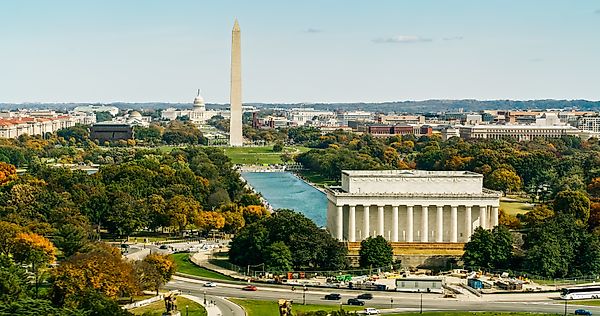
The landmarks included in the places under the ACHP’s jurisdiction include the National Mall, and several sites that are historically significant to American Indian tribes. The proposed changes also emphasize that federal agencies would be able to launch their own projects, or give the go-ahead to private developers, without first receiving the public’s feedback.
“The proposal actually eliminates language that says: ‘The views of the public are essential to informed Federal decisionmaking in the section 106 process.,’” Charles A. Birnbaum, the CEO of the Cultural Landscape Foundation, told the Washington Post. “How un-American is that?”
During his presidencies, Trump has been committed to making aesthetic changes to the East Wing of the White House and the Kennedy Center, among many other federal buildings. Earlier this month, a Rhode Island senator announced that he had received a letter from whistleblowers stating that the Kennedy Center, in its haste to acquiesce to Trump’s demands, had made shoddy renovations that may need to be torn out.
With the ACHP’s proposed revision to Section 106, “what is going to happen regularly is communities are not going to know that major projects are happening in their backyard until the bulldozers show up,” Marion F. Werkheiser, a founding attorney at Cultural Heritage Partners, told the Post.