American Museum Of Natural History To Repatriate Native American Hair Clippings
39July 9, 2026
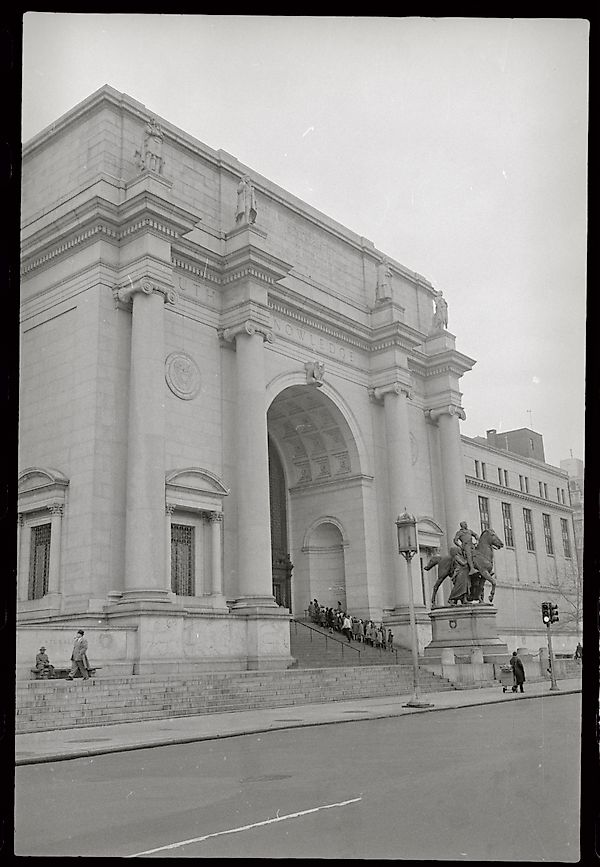
Decades after discovering samples of Native American hair within its collection, the American Museum of Natural History plans to add them to the list of items forrepatriationto concerned tribes. As reported by theNew York Times, the hair samples were collected for an exhibition at the 1893 Chicago World’s Fair.
The museum’s collection includes some 2,700 hair samples, including those of Amy and Rose Cordier, who were affiliated with the Rosebud Sioux Tribe. The samples remained in storage until the 1990s, when a researcher unearthed them. By then, theNative American Graves Protection and Repatriation Act(NAGPRA) was already in place mandating the return of remains, but museums contested the regulation on whether hair samples also needed to be repatriated.
Sean M. Decatur, the president of the American Museum of Natural History, told the New York Times that since he took over at the museum, there was no “debate or question over whether these materials should be part of our larger effort for consultation and repatriation,” and that “the goal is to be complete.”
The museum has said that it holds the remains of around 12,000 individuals, including those of Indigenous and enslaved people, many of which were collected through practices now seen as illicit, abusive, or racist. The museum could face up to $23 million in federal fines for not disclosing information about the hair samples sooner, although the government has seldom enforced such penalties. The museum said it believes it has acted in accordance with regulations.
This is the latest in a spate of planned repatriations following Harvard’s Peabody Museum announcing its intent to return its collection of Native American hair samples in 2022. It also follows the federal government’s 2024 amendment of NAGPRA to include hair on the list of remains to be returned. However, Native communities have expressed discontent with delayed repatriation processes and the lack of transparency from museums. “It erodes trust,” said Melanie Carson, a historic preservation officer for the Mississippi Band of Choctaw Indians, to the New York Times. “Tribes are getting frustrated that these institutions are not being more forthcoming.”