Helen Cammock Pulls Video from London Museum After Portrayal of Churchill Sparks Ire
54June 24, 2026
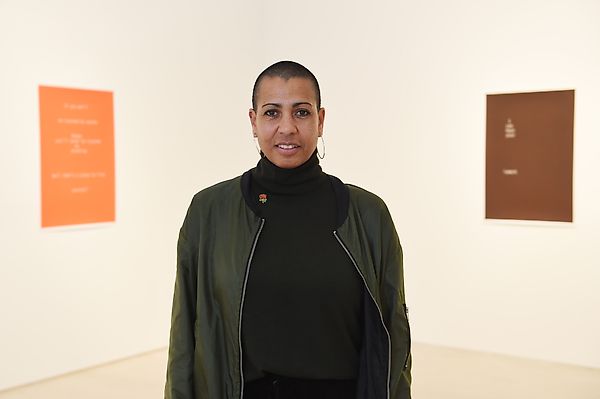
Turner Prize–winning artistHelen Cammockhas removed her video installationPersistencefrom display at London’sNational Portrait Galleryafter the work drew complaints that it mischaracterized onetime British prime minister Winston Churchill. The 2023 video had been on view for nearly a year when criticism began to land regarding a voice-over in which Cammock mentioned the “willful starvation of the Indian population by Winston Churchill” during the 1943 Bengal famine.
Conservative British dailyThe Telegraphon June 14 published an article calling Cammock’s description of Churchill’s part in the famine “incorrect.” Two days later, the museum received an open letter from Churchill biographer Andrew Roberts calling the video “historically ludicrous” and a “barefaced lie.” The missive was signed by more than fifty current and former members of the House of Lords, among them Nicholas Soames, a grandson of Churchill.
Churchill’s role in the famine, which took place during the twilight of India’s rule by Great Britain, has long been a topic of debate among historians. Among the culprits blamed are, variously, a typhoon; the destruction of supply lines occurring as a a result of World War II; and Churchill’s wartime strategies, which included the “denial policy” that led to the confiscation of rice in coastal Bengal regions to prevent the Japanese from obtaining it in a potential future invasion.
Cammock initially defended the work, telling The Guardian that it was intended to examine “who is valorized and who is not; whose stories are told and whose are not.” She explained that the video was “not a documentary” but a “creative work that explores thoughts and ideas” in response to the National Portrait Gallery’s collection.
The gallery at that time noted that the work was “created and narrated by the artist and includes her personal reflections on historical and current events” and asserted its support for “freedom of artistic expression while not necessarily endorsing the opinions expressed by any of the artists shown at the gallery.”
Following widespread coverage of the controversy over the weekend, Cammock on June 22 made the decision to withdraw the work, which had been set to remain on view until August.
“We respect her decision,” the gallery said in a statement published by the BBC. “Just as we acknowledge the opinions of those who were offended by what was said in the film.”
“There is an incredible pressure on artists and arts institutions to bend to external pressure; to be benign at best and silent at worst,” said Cammock in a statement following the video’s removal. “I do not accept this pressure. To question, challenge and explore ideas and histories is vital to a healthy society and art is intrinsic to this.”