Citing “Unfixable” Gallery Model, Pace Makes Deep Cuts to Artist Roster, Staff
114June 4, 2026
Pace Galleryhas dropped fifty artists from its roster of 135 and eliminated fifty of its 250 staff, theNew York Timesreported late last night.Artnewsreported that theTimesstory ran before Pace had notified staff of the layoffs and that management planned to address the issue at a town hall slated for 9 a.m. today.
“The art world has changed dramatically over the past decade, and the current gallery model isn’t only broken, it’s unfixable,” Pace CEOMarc Glimchersaid in a statement. “Every gallery is currently making temporary fixes and compromises to prop up a system that no longer works.”
Though he gallery has not released a list of the artists it is cutting, multiple outlets have reported that those dropped were generally less well-known than those kept. The Times confirmed that conceptual artist Glenn Kaino was among those cut from the roster; Artnet News noted that Keith Coventry, John Gerrard, and TeamLab were also missing from Pace’s website, while Artnews reported that Richard Avdeon, Virginia Jaramillo, JR, Nina Katchadourian, Josef Koudelka, Rafael Lozano-Hemmer, Robert Rauschenberg, Paolo Roversi, and Keith Sonnier were also among those whose names had been removed from the website since this past February. Related Tiwani Contemporary, Bastion of African Diasporic Art, Closes Robust Sales at Sotheby’s, Phillips Suggest Art Market Upswing
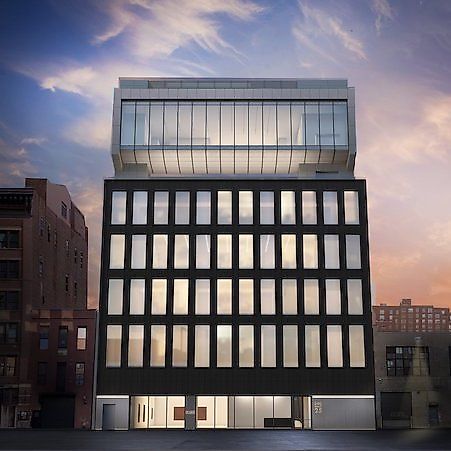
Pace, which is part of a small, rarefied group of blue-chip megagalleries including Gagosian, Hauser & Wirth, and Zwirner, has seven international locations. It renovated its eight-story flagship Chelsea outpost in 2019 at a cost of over $100 million (which it split with the developer) and last year announced that it would team up with Di Donna Galleries and auction executive David Schrader to sell artwork on the secondary market. Glimcher told the Times that the collaboration would continue, and that Pace would retain its headquarters.
The gallery’s retrenchment comes after a tough stretch that has seen smaller and midsize galleries shutter, with even larger, established operations pivoting from the brick-and-mortar model to private sales and advising. Many of the changes have been driven by increasing costs, shifts in buying habits and tastes, and global uncertainty.
“Galleries need a model correction,” Glimcher said. “For Pace, this means returning to our roots, recentering and reasserting our historic mission: We’re going back to the future, connecting younger artists to their spiritual fathers and mothers, focusing on a group of around 80 artists, which represents an intergenerational mix of new and established artists and estates.”