Ittai Gradel, Whistleblower in British Museum Gem Theft, Dies at 61
84April 30, 2026
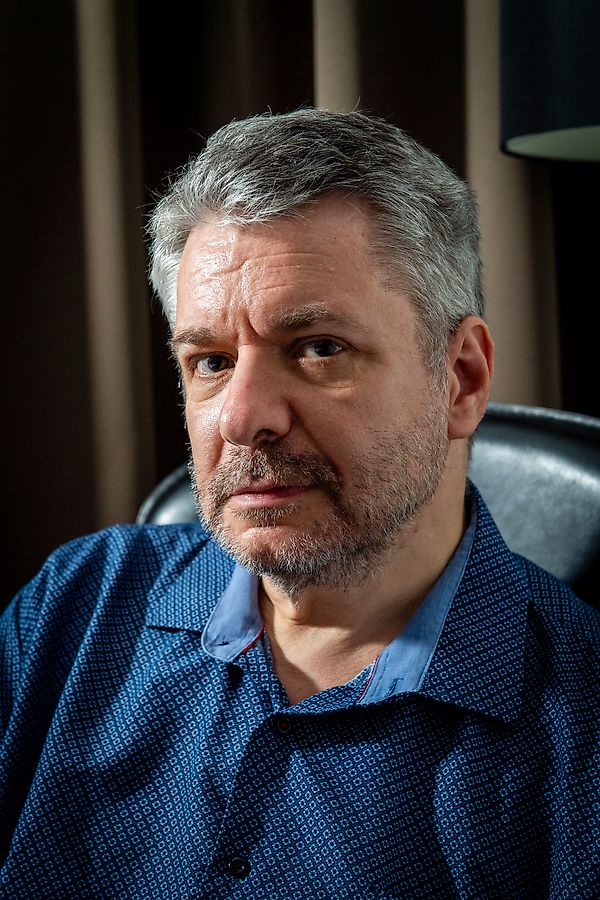
Ittai Gradel, the Israel-born Danish gem expert who alerted theBritish Museumto the theft of thousands of antiquities from its collection after he discovered them for sale on eBay, died on April 28 of renal cancer. He was sixty-one. Days before his death, British Museum officials visited him in hospice and presented him with a rarely awarded medal for his service to the institution. Gradel toldBBC culture and media editor Katie Razzalthat he found it “a bit annoying” that he would die before the case was resolved.
Gradel, who specialized in Greco-Roman engraved gems, first warned Jonathan Williams, then the museum’s deputy director, in early 2021 that artefacts from its holdings were being peddled for a pittance on eBay. He identified Peter Higgs, one of the world’s top authorities on ancient Greek and Mediterranean artifacts and a veteran curator at the museum, as the culprit and offered detailed evidence to support his findings. Williams promised an investigation but ceased communications. After months passed, Gradel contacted then-director Hartwig Fischer; this time he received a response from Williams, who assured him the collection was safe.
Two years later, in 2023, the museum fired Higgs after investigators found that the pseudonymous eBay account via which a piece of Roman jewelry was posted was connected to a PayPal account that in turn linked to an X account bearing Higgs’s real name. When the museum’s failure to act immediately following Gradel’s warnings was exposed, Fischer initially accused Gradel of having withheld information; Gradel memorably told the Daily Mail that Fischer was an “idiot” living in “cloud cuckoo land.” Fischer apologized, and both he and Williams left the institution, which announced that it would digitize its entire collection.
Higgs has continued to deny any wrongdoing, and the case against him (in which Gradel was to have been a witness) is ongoing.
“I didn’t do the museum a favor by revealing these thefts because it did damage to the institution. But I had no choice,” Gradel told Razzal. “However I did the museum a huge favor in assisting it in getting a new and better management.”
Nicholas Cullinan, the British Museum’s current director, wrote to Gradel that the medal the museum was giving him was “a sign of our esteem . . . in recognition of your expertise and of your passionate determination that wrongs should be righted.”