Art Dubai Postpones 2026 Fair Amid Iran War Fears
38March 20, 2026
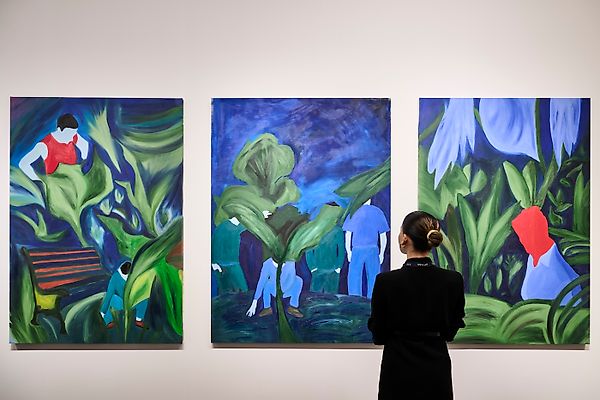
Art Dubaitoday announced that its 2026 fair would not take place in April as planned but instead would be held May 14–17 in an “adapted format” at its longtime home, the resort Madinat Jumeirah. The event, which is celebrating its twentieth anniversary this year, is a lodestar of the region’s burgeoning arts scene. The 2026 iteration was to have featured over a hundred presentations from more than thirty-five countries.
“There remains a clear sense that maintaining the platform that Art Dubai represents is important for the wider cultural ecosystem,” said fair organizers in a statement. “This edition will take the form of a more focused and flexible format, bringing together galleries, artists and institutions through a combination of presentations, collaborations and public programming.”
The Art Newspaper reported that the fair’s new director, Dunja Gottweis, said that galleries who are unable to make the May dates will still be assessed booth fees, which will roll over to the 2027 edition. Those participating in the May event will not have to pay booth fees but will instead be charged a percentage of their sales, capped at the booth fee equivalent. The publication reports that both fees at Art Dubai average $739 per square foot, with a booth costing anywhere from $15,000 to $60,000.
The postponement arrives as the US and Israel continue their attack on Iran, which has led that nation to strike American bases and allies in the region, among them the UAE, which has been forced to temporarily close its airspace. A number of airlines have halted flights to Dubai, hampering travel and freight transport.