Kennedy Center to Shutter for Two-Year Renovation
57Feb. 4, 2026
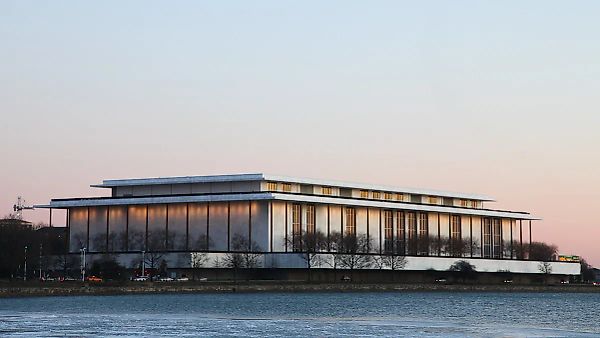
TheJohn F. Kennedy Center for the Performing Artswill go dark for two years while it undergoes renovations. President Donald Trump wrote in a statement posted to Truth Social that the center “will close on July 4th, 2026, in honor of the 250th Anniversary of our Country, whereupon we will simultaneously begin Construction of the new and spectacular Entertainment Complex. Financing is completed, and fully in place!” The source of the financing has not yet been made public, nor is it clear whether Congress will be consulted on the changes. Under its previous president, Deborah Rutter, the center underwent a major renovation and expansion. Completed in 2019, the project cost $250 million.
Since assuming office a little over a year ago, Trump has sought to remake the Kennedy Center, opened in 1971, in his image. To that end, he dismissed several members of the organization’s board, replaced them with loyalists, and appointed himself chairman. The board subsequently voted to rename the center in his honor, as well as Kennedy’s. Under interim president Richard Grenell, a onetime diplomat and PR consultant handpicked by Trump, the center has looked to shift its focus to “family-friendly” and patriotic shows.
“We cannot have unpopular programming that doesn’t pay the bills,” Grenell told PBS News Hour earlier this year. The past months have seen the center’s programming diminished by more than 150 cancellations, including those by renowned avant-garde composer Philip Glass, famed jazz drummer Chuck Redd, acclaimed banjo player Béla Fleck, five-time Grammy-winning soprano Renée Fleming, and Stephen Schwartz, writer of the box-office hit Wicked. The Washington National Opera, which has operated out of the hall since 1971, announced its departure early this year, while the New York Times reports that the resident National Symphony Orchestra has seen a 50 percent decline in attendance, year over year. Speaking with conservative outlet NewsNation last week, Grenell derided those canceling their performances as “niche” and lacking a “supply and demand audience.”