Trump Seeks to Erase Visual Evidence of Slavery at National Parks
144Sept. 19, 2025
The administration of Donald Trump has ordered the removal of an 1863 photograph showing the heavily scarred back of a formerly enslaved man from a national park. The photo, informally titledThe Scourged Backand depicting an escaped slave believed to have been named Peter Gordon, has been in wide circulation since the nineteeth century and is evocative of the horrors and injustice of slavery. According to theWashington Post, which first reported the story, it is just one of many signs and exhibits flagged for removal or alteration by theNational Park Service.
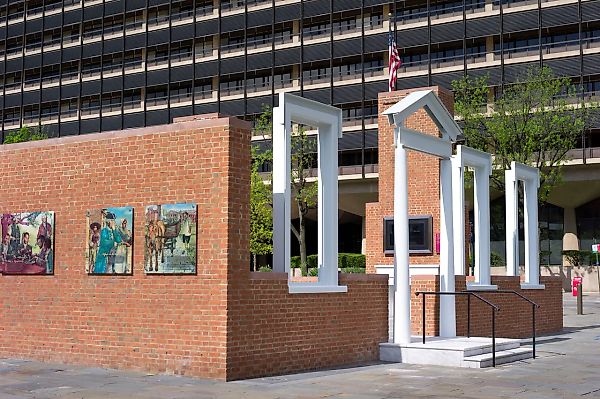
The changes follow from anexecutive orderTrump issued in March commanding the Interior Department to remove all information within its jurisdiction that “inappropriately disparage[s] Americans past or living (including persons living in colonial times),” ordering that information “instead focus on the greatness of the achievements and progress of the American people.” The order specifically named Philadelphia’s Independence National Historical Park—which encompasses the site of the signing of the Declaration of Independence and also the site of the home in which George Washington lived while president before the US capital moved to Washington, DC—as reflective of a “corrosive ideology.” An exhibit there features a granite wall carved with the names of nine enslaved people kept by Washington during his tenure in the residence. Staff told thePostthey expect the site to be affected by the order.
Also set to be removed from public view is information at Harpers Ferry National Historic Park in West Virginia, where abolitionist John Brown led a raid with the intention of arming slaves for a revolt. More than thirty signs referencing racial discrimination and the hostile attitudes of white people to those who were formerly enslaved will come down or be partially covered.
A Park Service spokesperson told the Post that all signage at national parks was under review, saying, “Interpretive materials that disproportionately emphasize negative aspects of US history or historical figures, without acknowledging broader context or national progress, can unintentionally distort understanding rather than enrich it.”