Bill Cunningham Archive Finds Permanent Home at New York Historical
153July 30, 2025
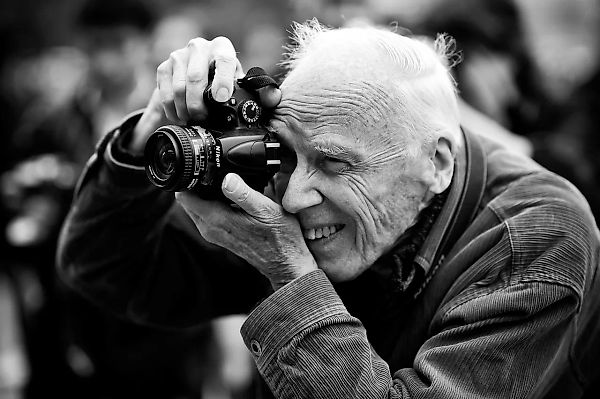
TheNew York Historicalhas acquired the archive of longtimeNew York Timesfashion photographerBill Cunningham. Clad in his trademark bright blue jacket and pedaling about the city on a battered three-speed bicycle, Cunningham brought street-style photography to the masses, documenting decades of fashion trends as they appeared in everyday, unstaged surrounds. Though widely renowned for his work, the photographer, who died in 2016, was said to be hesitant for his archive—comprising tens of thousands of photographs, slides, negatives, contact sheets, and other ephemera—to become available to the public: TheNew York Timesreported that he claimed he would rather see it burn.
Instead, the collection, which had hitherto been stored in his tiny, kitchenless studio apartment and managed by his niece and co-executor Patricia Simonson, will be housed in the New York Historical’s Tang Wing for American Democracy, slated to open in 2026. Later this year, the museum will present an exhibition of Cunningham’s work titled “Evening Hours,” after hisTimescolumn of the same name, which delved into the world of charity balls and high-society galas. A more comprehensive exhibition is being planned for the future.
“Bill turned fashion into cultural anthropology,” New York Historical president Louise Mirrer told the Times. “He found the pulse of the city in every nook and cranny, photographing the glitzy, the wealthy, the crème de la crème, and making stops on his bicycle along the way to photograph other things that intrigued him, the grunge scene or a party downtown.”
Simonson said she chose the New York Historical, to which Cunningham had earlier donated series of gelatin silver photographs from his “Facades” series, because it would digitize his work and make it accessible to the public—and also because it was on Central Park West, close to his apartment and to what the Times once described as his “main perch” of Fifty-Seventh Street and Fifth Avenue. “I really do think Bill would see this as home,” she told the paper.