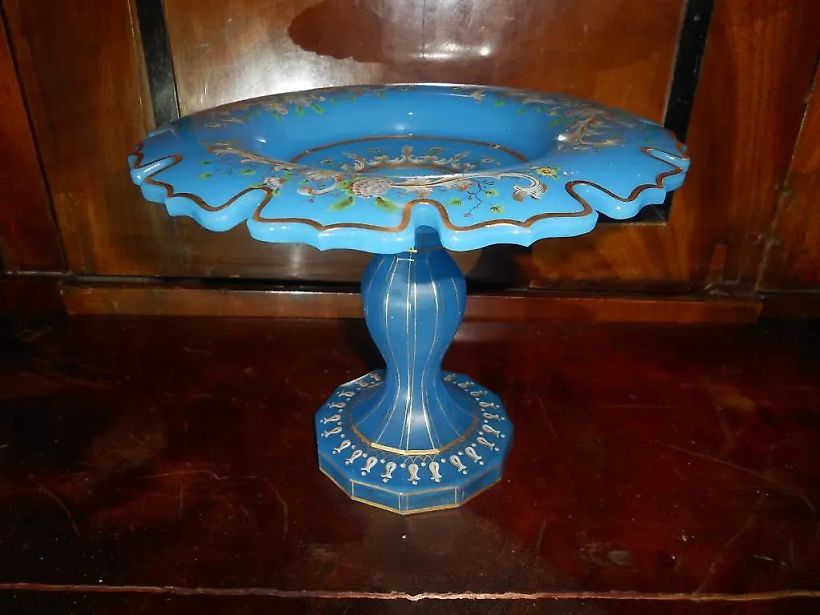
СТАРИН.ДВУХЧАСТНАЯ ВАЗА-КОМПОТЬЕР:ПОЛЕВЫЕ ЦВЕТЫ голубое глушеное стекло роспись БАХМЕТЬЕВ 1840-50-е
Description
Старинная двухчастная(составная) ВАЗА-КОМПОТЬЕР:ПОЛЕВЫЕ ЦВЕТЫ,резное тяжеленное темно-голубое глушеное стекло,ручная гранка и шлифовка,ручная роспись эмалями и золотом, БАХМЕТЬЕВ, Россия 1840-1850-е гг(есть в каталоге).Размеры:высота-17см,высота ноги-14.5см,высота блюда-3.5см,диаметр блюда-22см,диаметр основания-10.5см.толщина стекла-0.5см.Великолепная ручная роспись.На дне основания стоит буква "К":возможно,что роспись вазы была сделана по эскизам Федора Красовского(живописец,"мастер по цветам" на ИСЗ).Состояние на фото(микрочип на нижней части основания).Доставка лота в другой регион-почта России(или курьерской службой-по договоренности). ДЛЯ СПРАВКИ:Фёдор Иванович Красовский (1820—1863)- сын крепостного мастера-живописца по фарфору на фарфоровом заводе Попова. Выпускаемая продукция была очень разнообразна. Здесь производили как дорогие сервизы под заказ, так и простую посуду для людей среднего и низкого достатка. Помимо разнообразной посуды это были скульптуры, вазы и различные фарфоровые изделия для дома. В 1835 году Фёдор поступил на петербургский фарфоровый завод братьев Корниловых подмастерьем, а в 1839 году — живописцем на Императорский фарфоровый завод. Администрация завода отметила мастера: «работа его отличалась особенным художническим искусством, оставаясь до сего времени от всех других сего рода живописцев отличною». В 1861 году Академией Художеств «Ф.И. Красовскому дано звание Свободного художника живописи цветов и плодов (на фарфоре) за „Букет весенних цветов“, писанный на полотне масляными красками».Художники ИФЗ иногда привлекались для работы на ИСЗ.Федор Иванович был человеком предприимчивым(вскоре после начала работы на ИФЗ,он уже смог приобрести себе дом в Санкт-Петербурге).Не исключено,что стараясь побольше заработать, он также делал эскизы и для Бахметьева(Бахметьев ,выполняя заказы Двора,имел завязки на ИСЗ). Никольско-Бахметьевский хрустальный завод (Николо-Бахметьевский(или Бахметевский) хрустальный завод) был основан в 1764 году с высочайшего разрешения императрицы Екатерины II отставным военным Алексеем Ивановичем Бахметевым в собственном имении, в селе Николо-Пёстровка Пензенской губернии. Со времени основания вплоть до 1884 года заводом управляли три поколения Бахметевых, в честь которых завод носил имя Бахметевского. Бахметевы были связаны родством с лучшими фамилиями России: Трубецкими, Горчаковыми, Волконскими, Оболенскими, Толстыми.Завод стал первым в России частным предприятием в своей отрасли, одним из ведущих российских хрустальных и стекольных производств.Начиная с 1795 года, завод выполнял заказы высшей дворянской знати и Церкви. Каждый из таких заказов выполнялся в неповторимой манере. Изделия, в том числе, из цветного стекла и хрусталя, украшались живописью, эмалью, красками, золотом и серебром, матовой гравировкой и алмазной гранью. Использовалась древняя техника – филигрань (венецианская нить), имитация под чеканное золото и драгоценные камни. Уже в 1789 году Н .А. Бахметев, сын основателя завода, с целью освоения опыта лучших мировых производителей стекла и хрусталя, основал музей стекла и хрусталя, где начал собирать лучшие образцы производства своего завода и лучшие изделия европейского стекольного искусства, которые часто использовались мастерами завода в качестве образцов.»В 1829 году на первой всероссийской выставке мануфактурных изделий заводу присуждена Большая золотая медаль за представленные экспонаты.С 1836 по 1861 годы фамильное предприятие достигло наивысшего процветания.Высшую награду, право нанесения Государственного герба на свои изделия, завод получил в 1836 году, и затем награда эта последовательно подтверждалась на выставках в Москве в 1839, 1861, 1865 годах и в Нижнем Новгороде в 1896 году.В 1884 году завод перешел по наследству родственнику Бахметевых князю Александру Дмитриевичу Оболенскому.В 1900 году на Всемирной парижской выставке изделия Никольско-Бахметевского завода князя А.Д.Оболенского были оценены Большой золотой медалью, а мастера получили именные бронзовые медали.
Similar lots
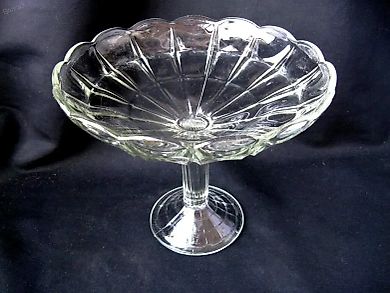
Lot No. 12401 Vase on a stand, stamp "HX", vintage glass, USS…
Dyatkovo Crystal Factory
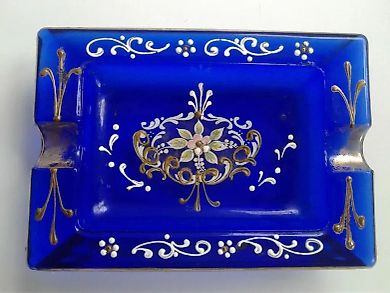
Lot No. 12715 Ashtray. Cobalt glass, painting. Italy, 2nd hal…
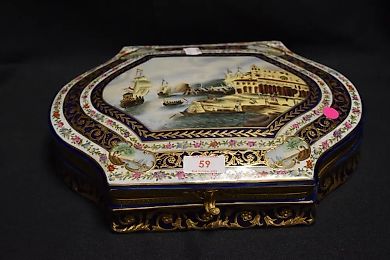
Lot No. 15234 Modern Russian faience box "Kuznetsov" with gil…
Kuznetsova M.S. society
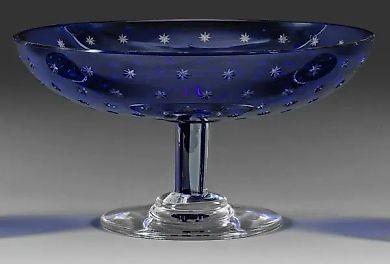
Lot No. 14517 The St. Louis bowl with star-shaped decoration.
St. Louis
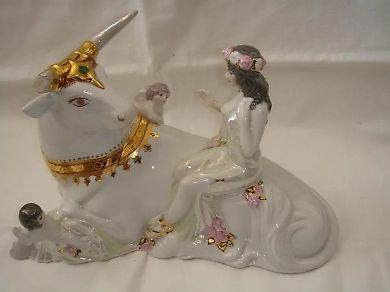
Lot No. 13760 The Abduction of Europa,
Korosten Porcelain Factory
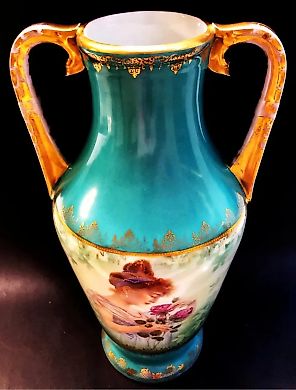
Lot No. 15208 Imperial porcelain vase by Kuznetsov with a por…
Kuznetsova M.S. society
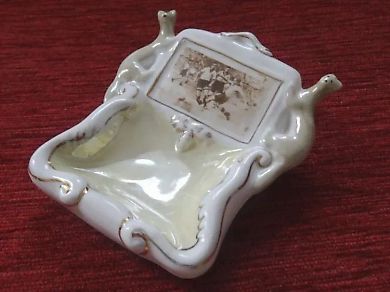
Lot No. 15028 Ashtray - Dulevo. 1959, porcelain, 10x9 cm.
Dulevo Porcelain Factory
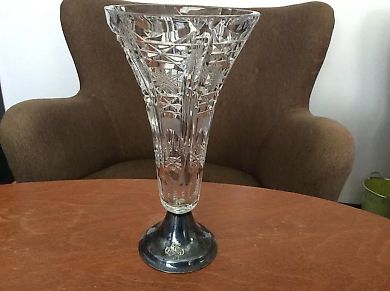
Lot No. 12465 CRYSTAL VASE ON A SILVER STAND, 1971.
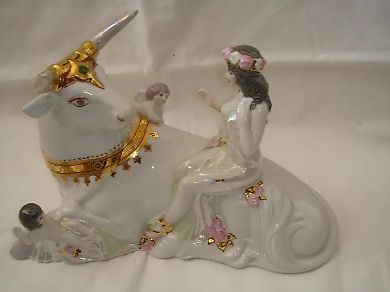
Lot No. 10004 Porcelain figurine – The Abduction of Europa, b…
Korosten Porcelain Factory
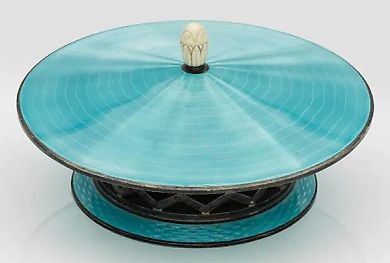
Lot No. 14818 Art Deco bonbonniere