Porcelain, earthenware, ceramics
Herend (Herend)

Porcelain Factory
Factory founded - 1839.
The beginning of the porcelain industry in Hungary—excluding the factory in Regéc—dates back to 1839, when the Herend porcelain factory, founded by Mór Fischer, began operations. Fischer (1804–1884) learned the craft of ceramics in Prague, where only faience was produced at the time, so he was not familiar with porcelain manufacturing. He acquired such knowledge by independently experimenting in the faience workshop he purchased in Pápa.
Fischer literally built the Herend factory from scratch. He only had access to local potters, who had never dealt with porcelain production. But Fischer's energy quickly overcame organizational difficulties, and within a year the factory was not only up and running, but also producing products of decent quality. The year 1842 brought the factory its first success: at the Budapest Exhibition of Artistic Crafts, Herend porcelain won a bronze medal.
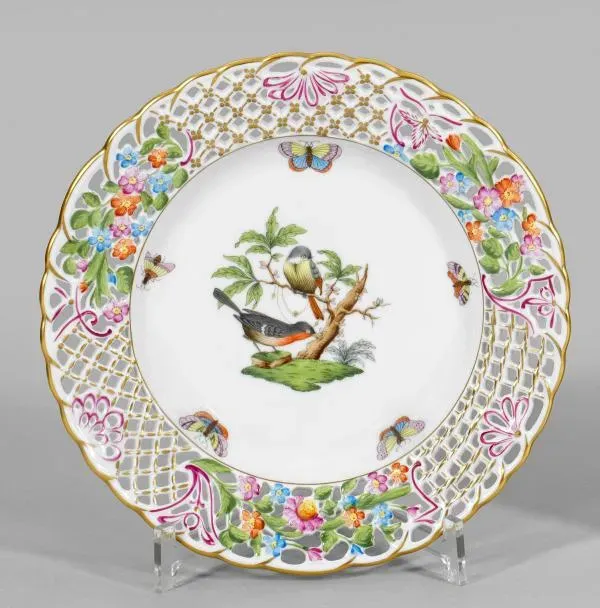
The factory's development was not hindered even by a fire in 1843 that destroyed part of the premises (this event was depicted in a miniature on a decorative plate, which is now in the local museum's collection). A significant event in Fischer's career was a commission from Princess Esterházy to supplement old Meissen dinner services, which had become incomplete after years of use. This gave him the opportunity to study 18th-century works and even older Chinese pieces from the Esterházy collection. After long study and experimentation, Fischer produced items indistinguishable from the originals.
After this, he became famous as a specialist in such restoration and began receiving many orders from various manufactories. At that point, Fischer's work took two directions. In addition to serial production in the style of contemporary fashion, he imitated items from such old manufactories as Meissen, Sèvres, Vienna, and Capodimonte.
But he especially liked classic Chinese pieces. The Herend factory exhibited its products at all major world exhibitions, and they were always praised and awarded. The factory's products became fashionable and were purchased by European monarchs. A special service was made in Herend for Queen Victoria of England, and missing pieces of a Chinese service several centuries old were produced on order for the Turin court.
Austrian Emperor Franz Joseph I presented Herend products to European monarchs—the Russian Tsar Alexander II, Italian King Emmanuel, and the Duke of Wales, who later became King Edward VII of England. For his success at the 1865 World Exhibition, Fischer received a noble title and the surname Farkasházi. At the end of his life, Mór Farkasházi Fischer handed over management of the factory to his sons, who, however, were not as skilled as their father.
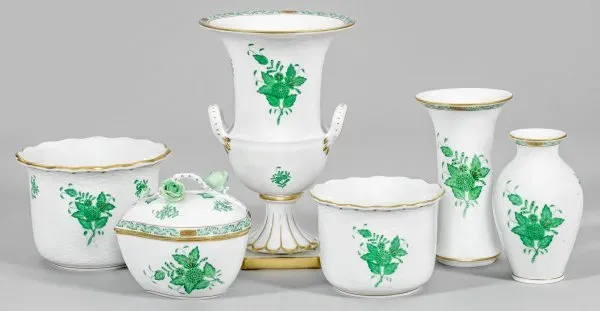
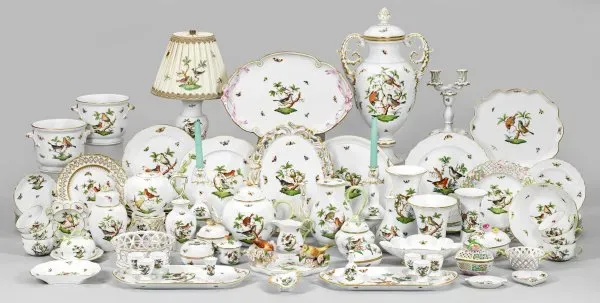
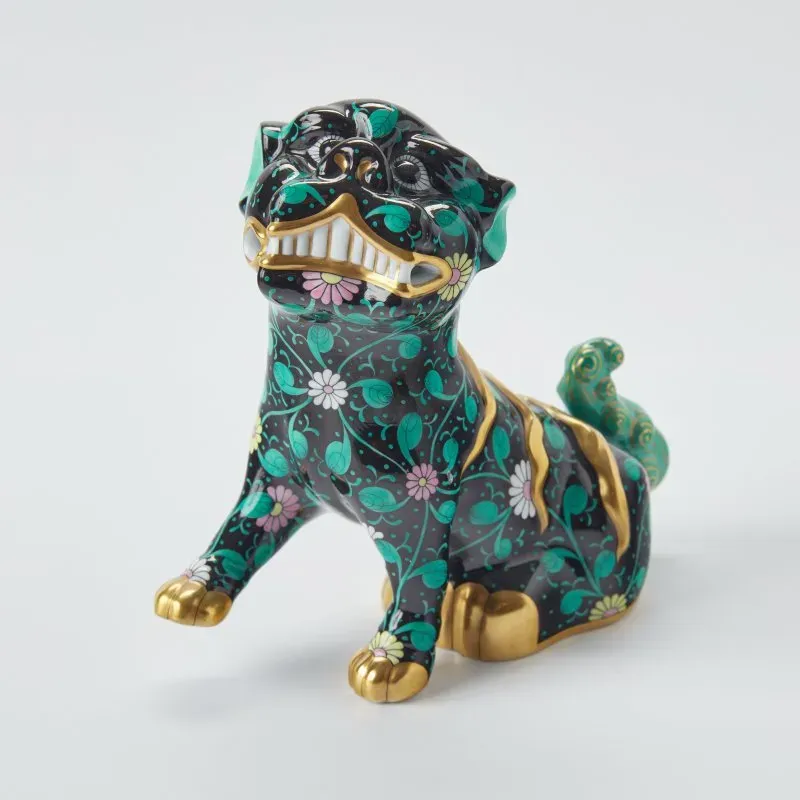
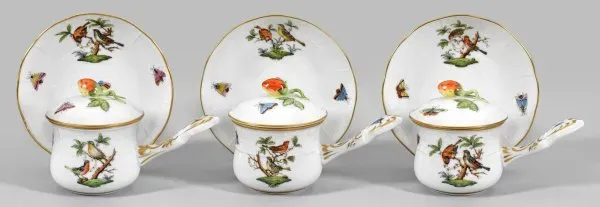
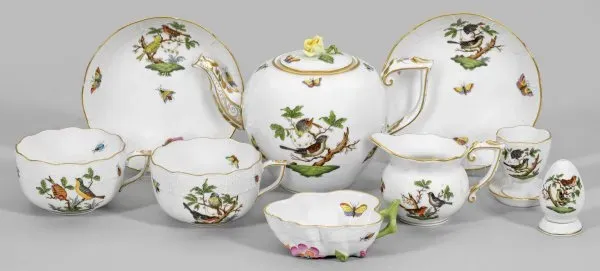
In 1923, the factory became a joint-stock company, and after World War II, it was nationalized in 1948. The factory's modern products can be divided into three main groups. The first includes items in the style of famous European factories. However, these are not mere imitations, but free reinterpretations of their characteristic styles. The second group is "Chinese pieces." Here, too, there is a masterful understanding of the specifics of original Chinese objects from different eras. The third type of product uses motifs of Hungarian folk painting, transferred to modern forms by artists who work at the factory on a permanent basis.
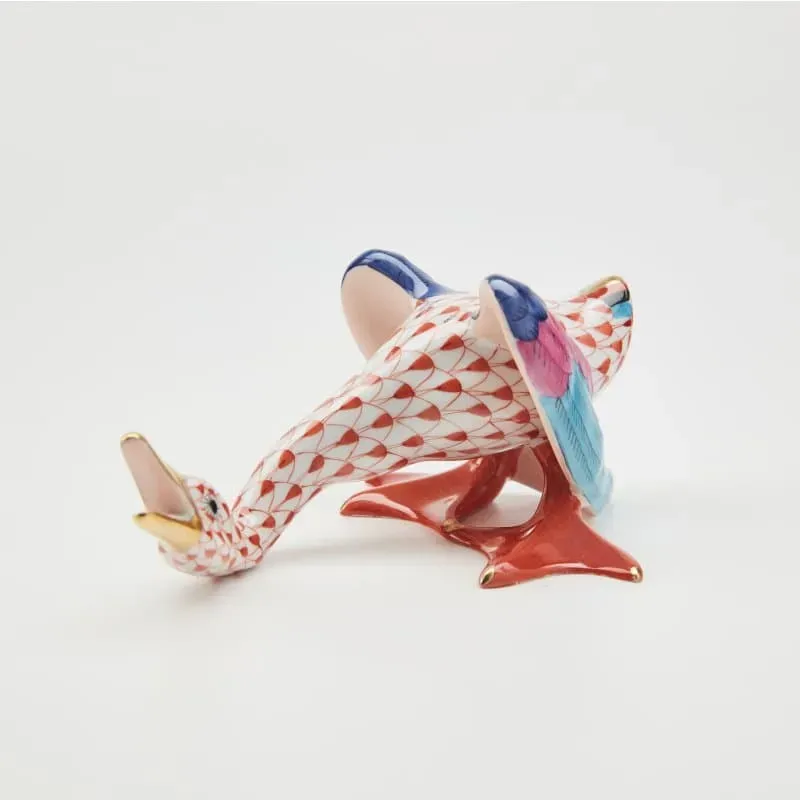
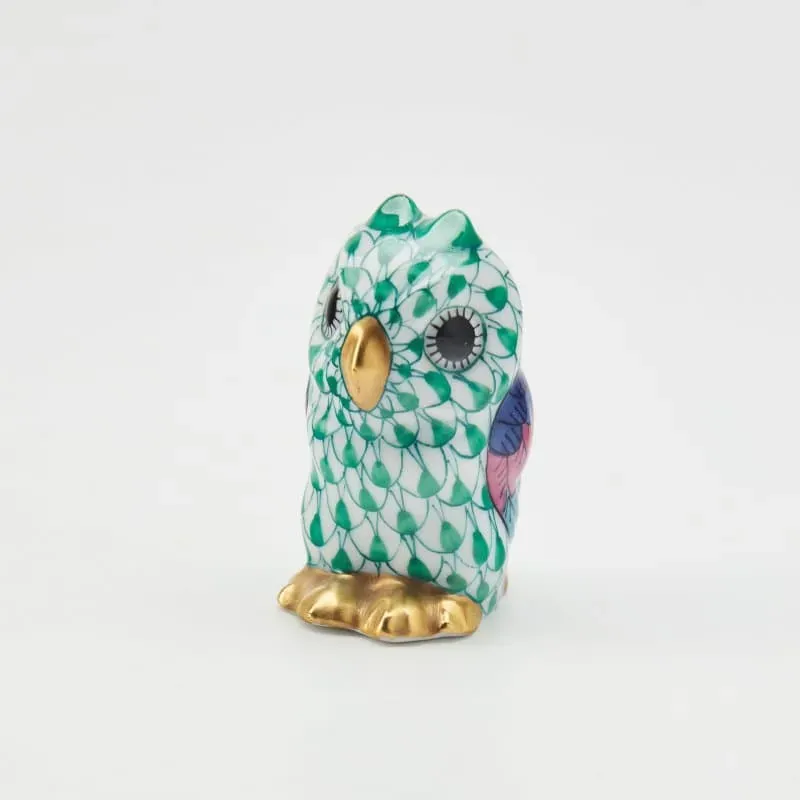
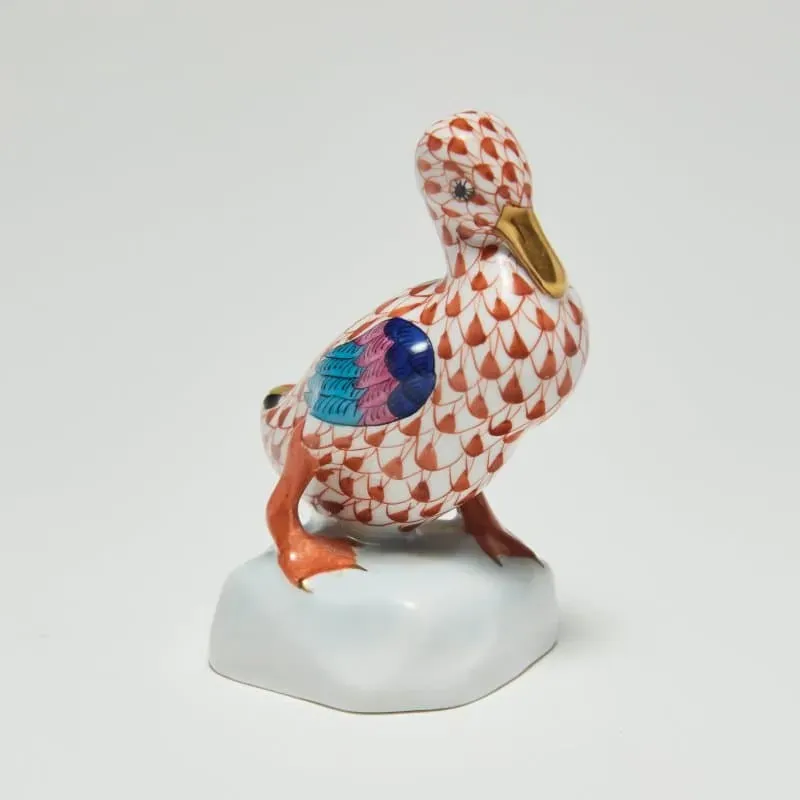
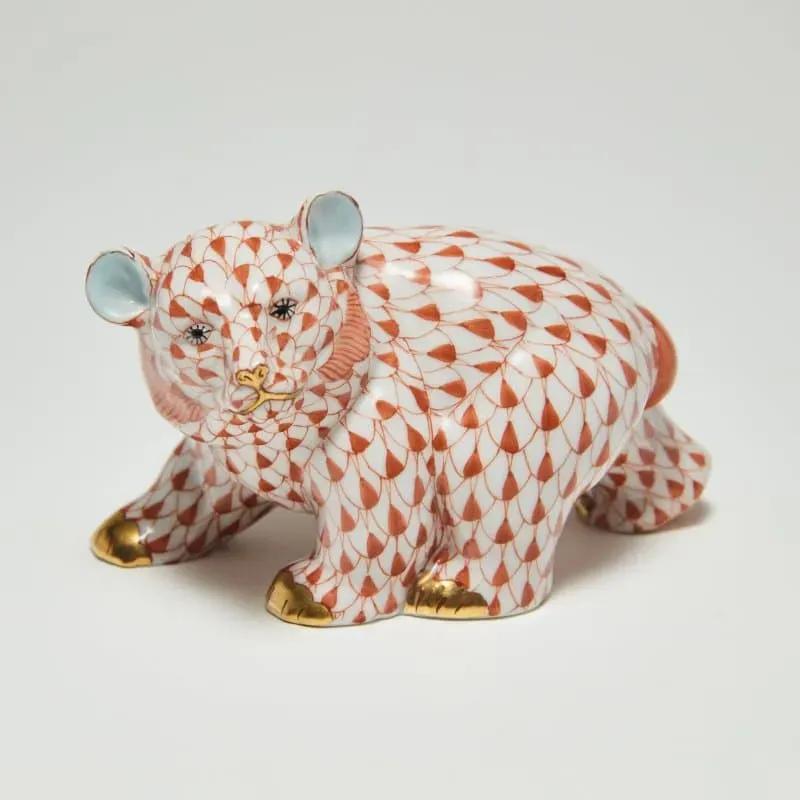
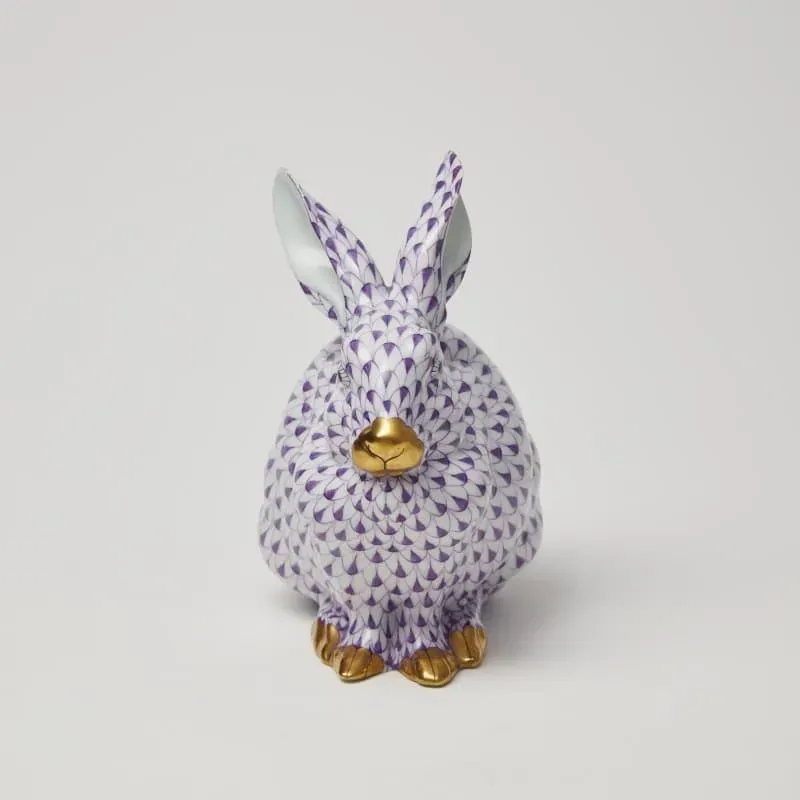
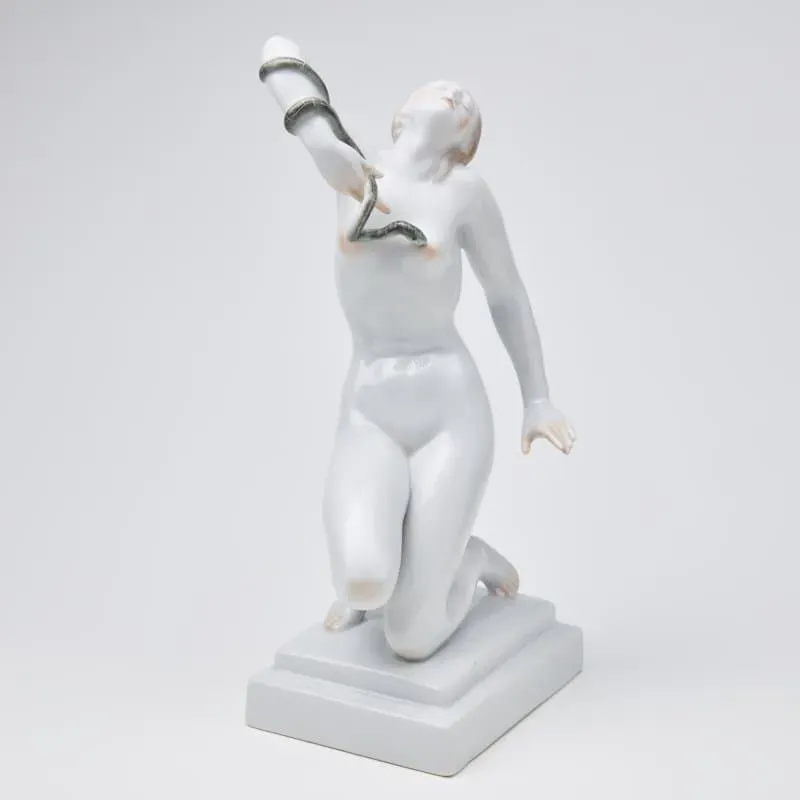
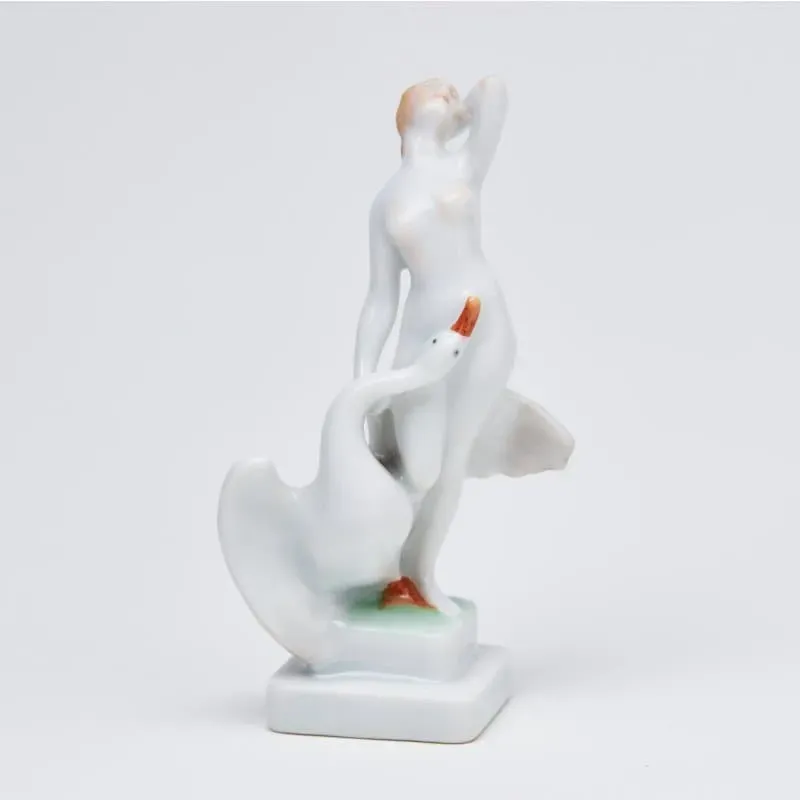
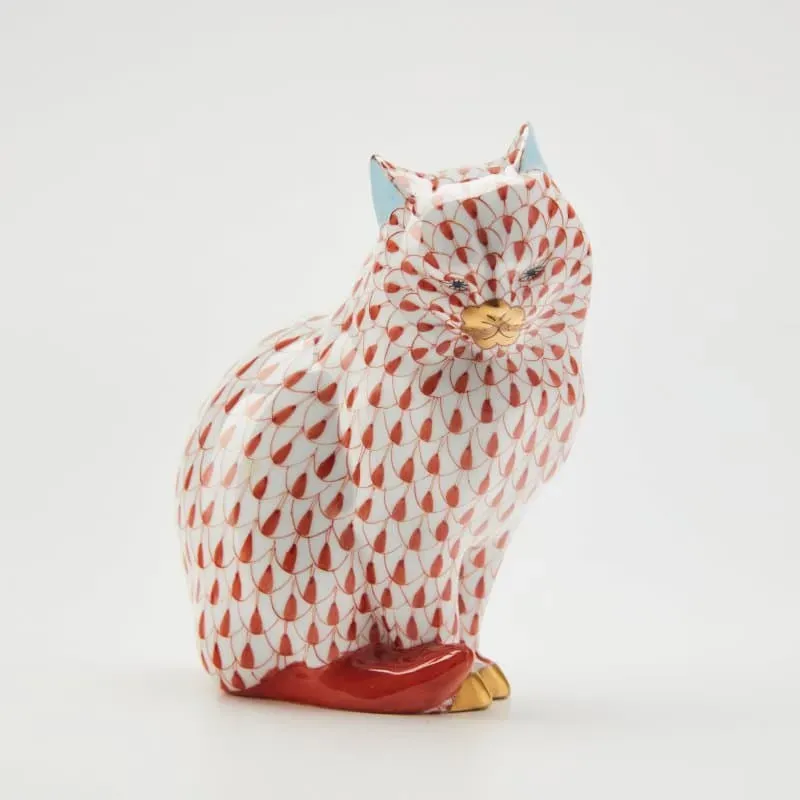
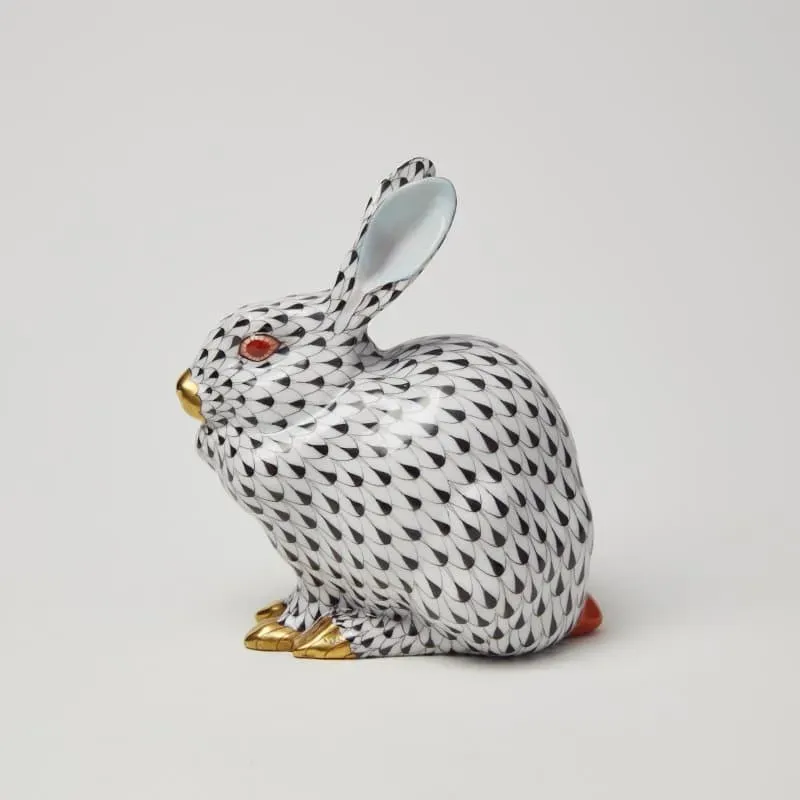
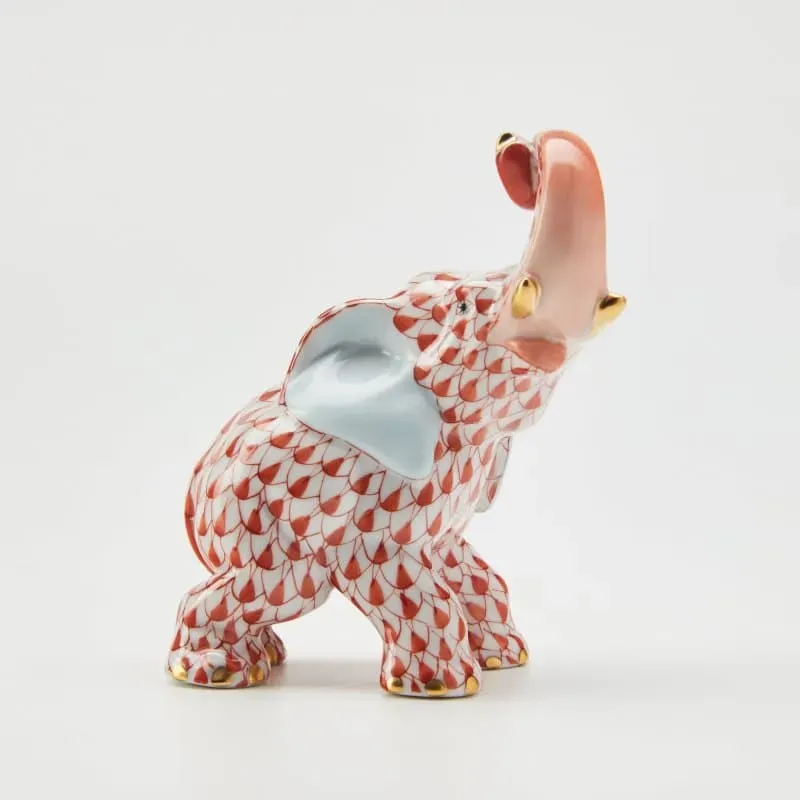
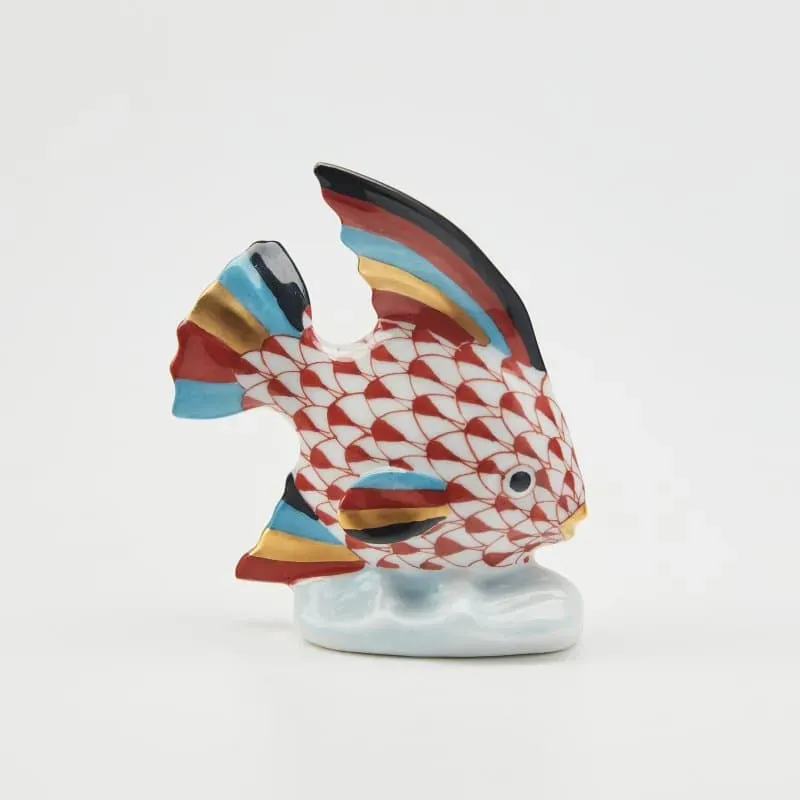
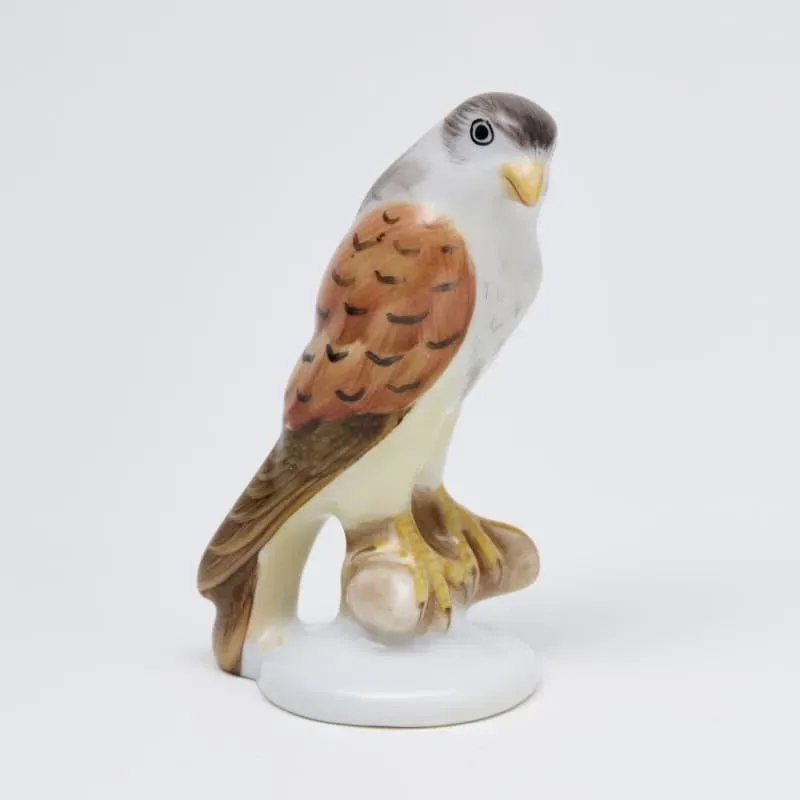
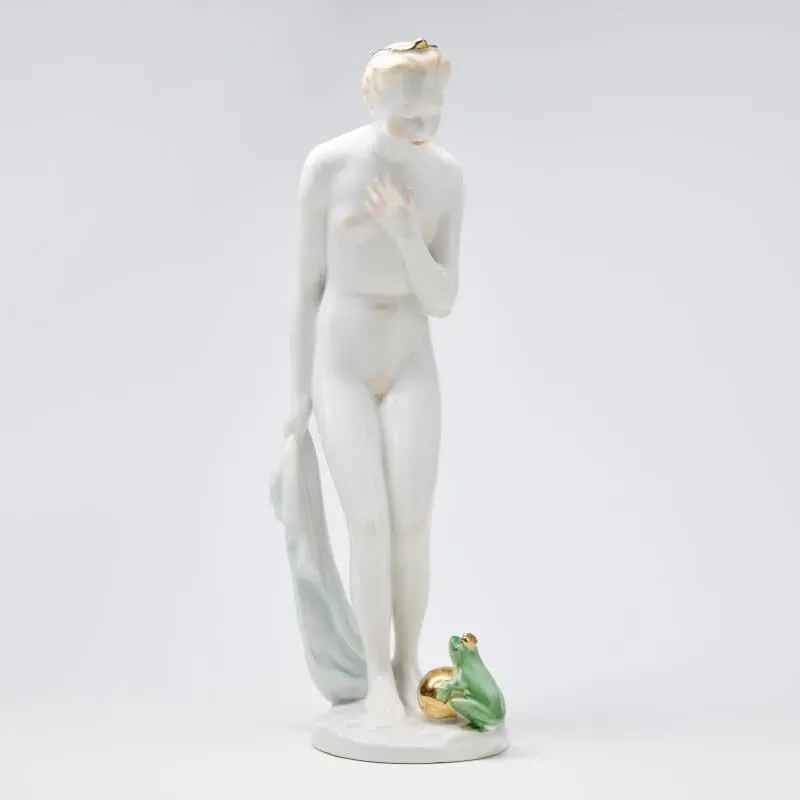
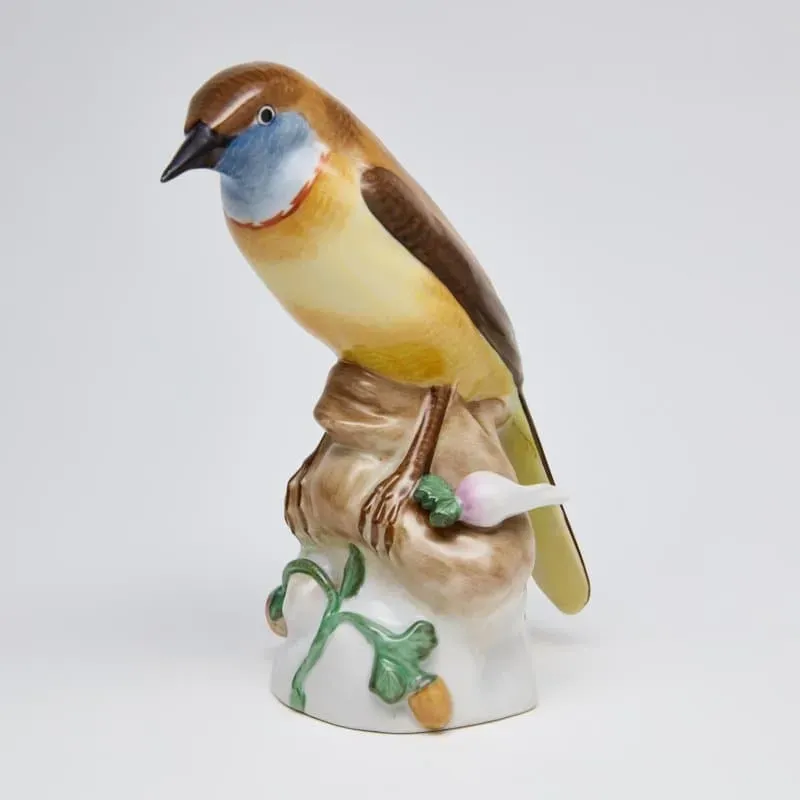
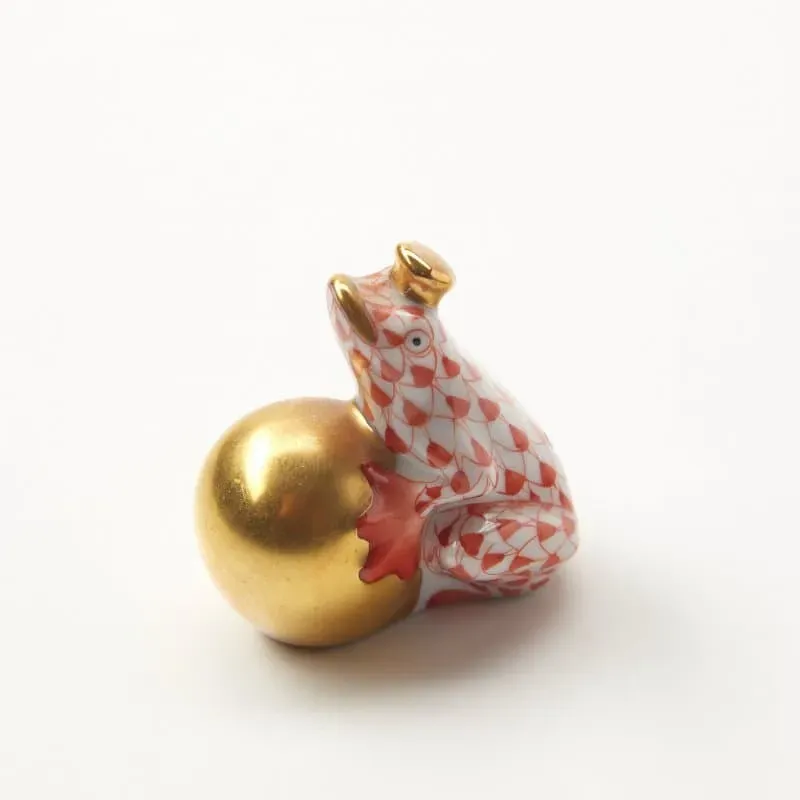
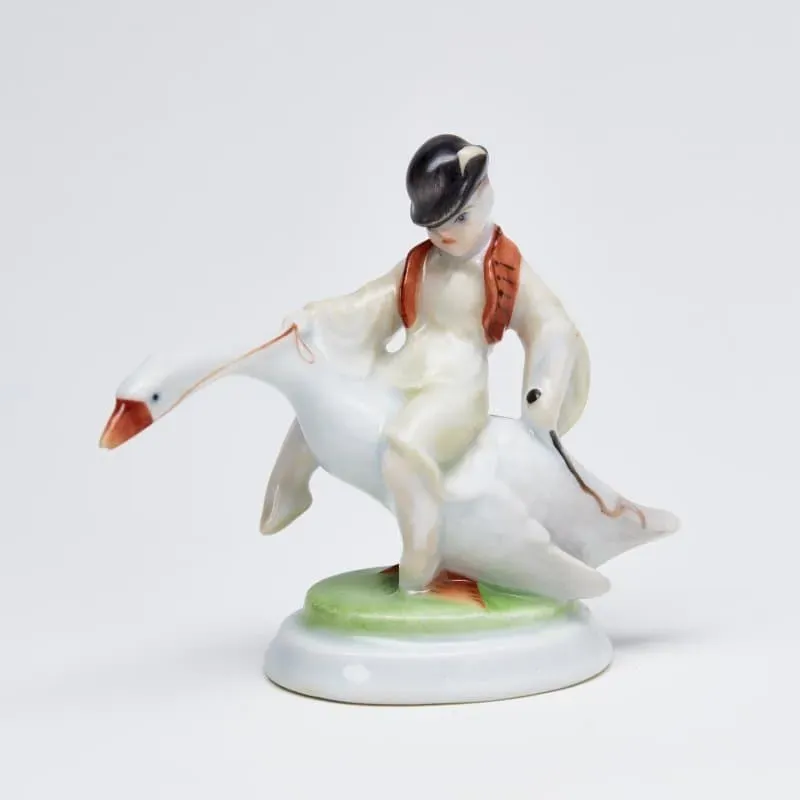
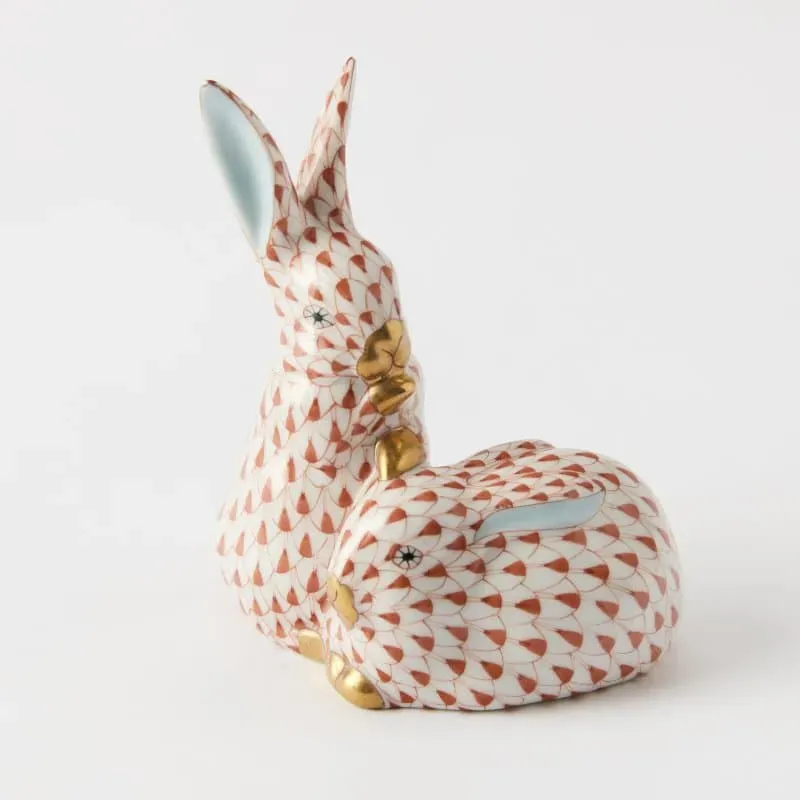
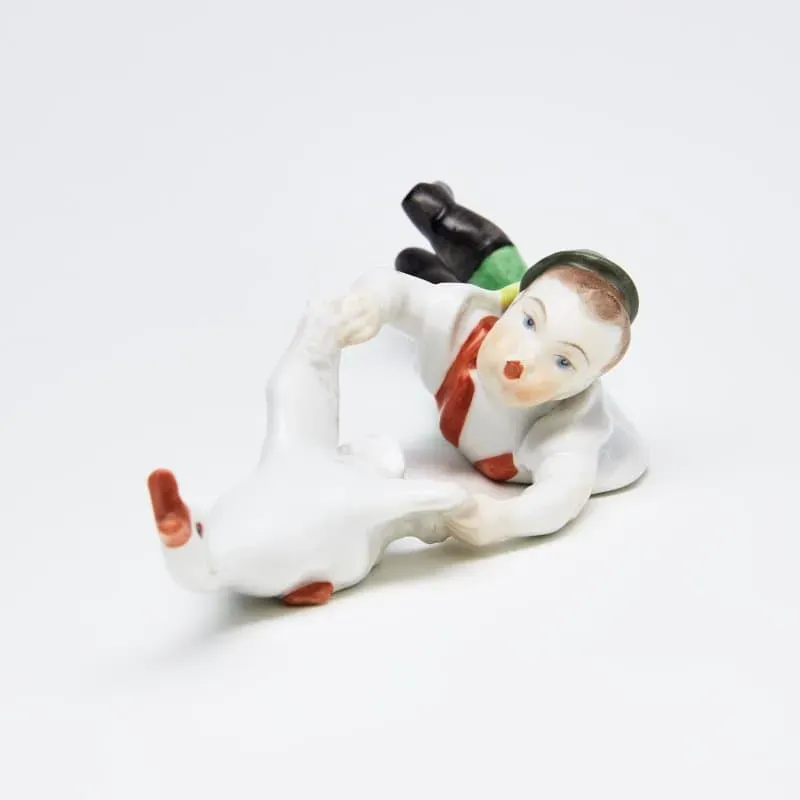
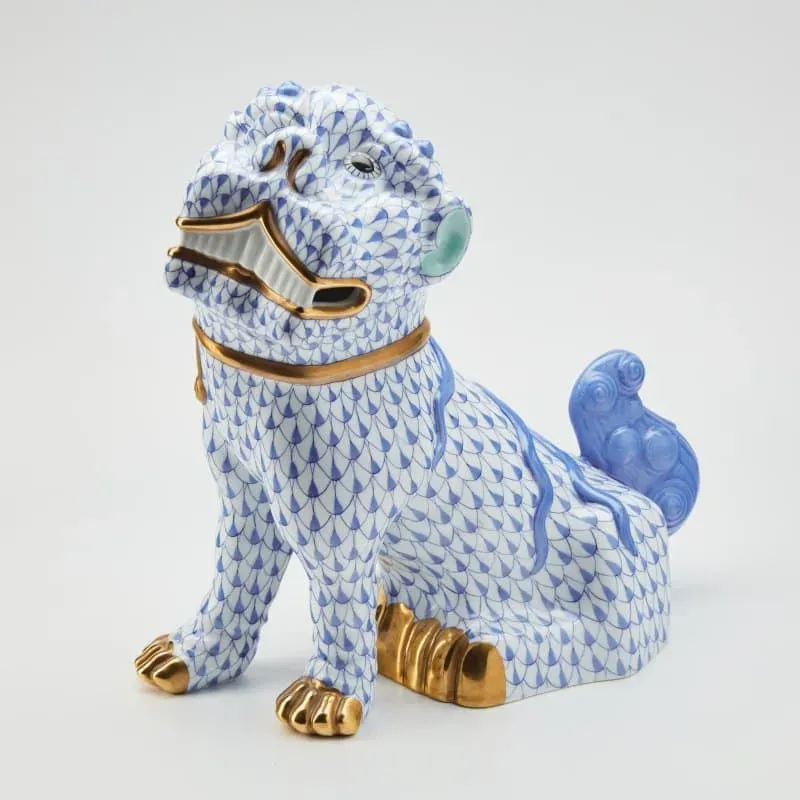
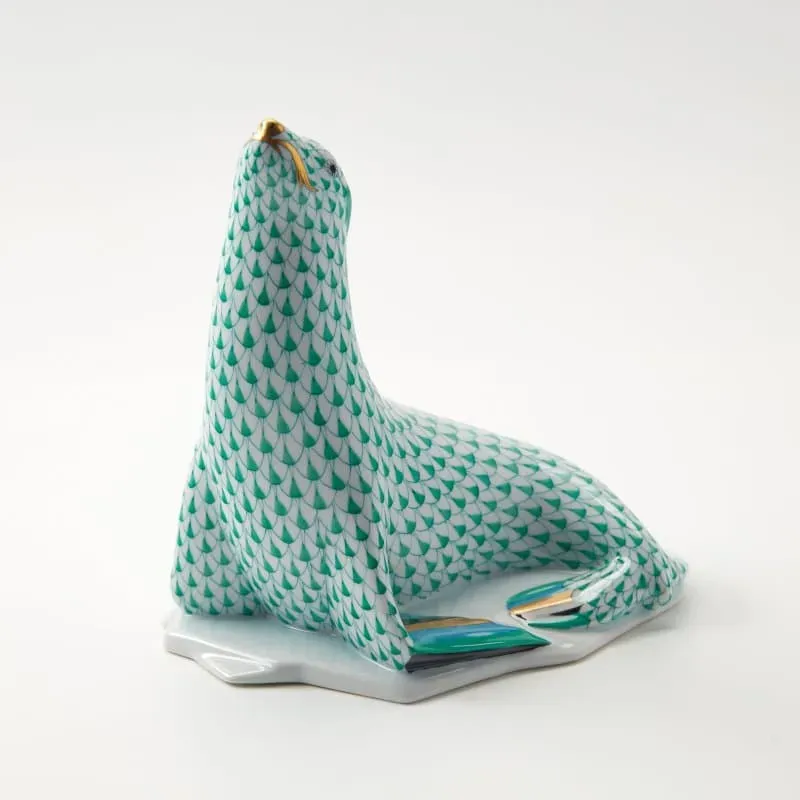
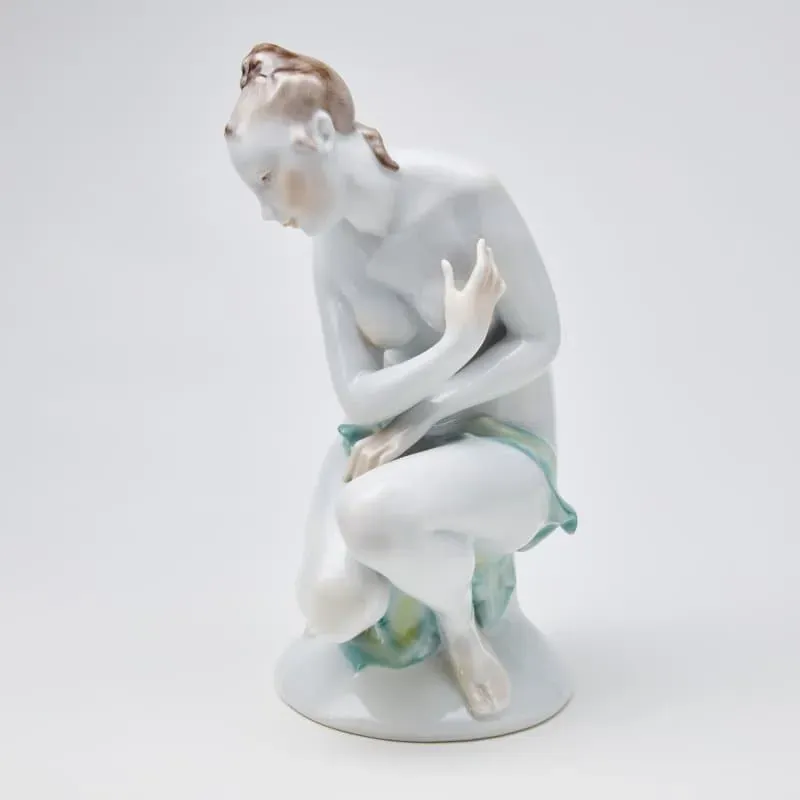
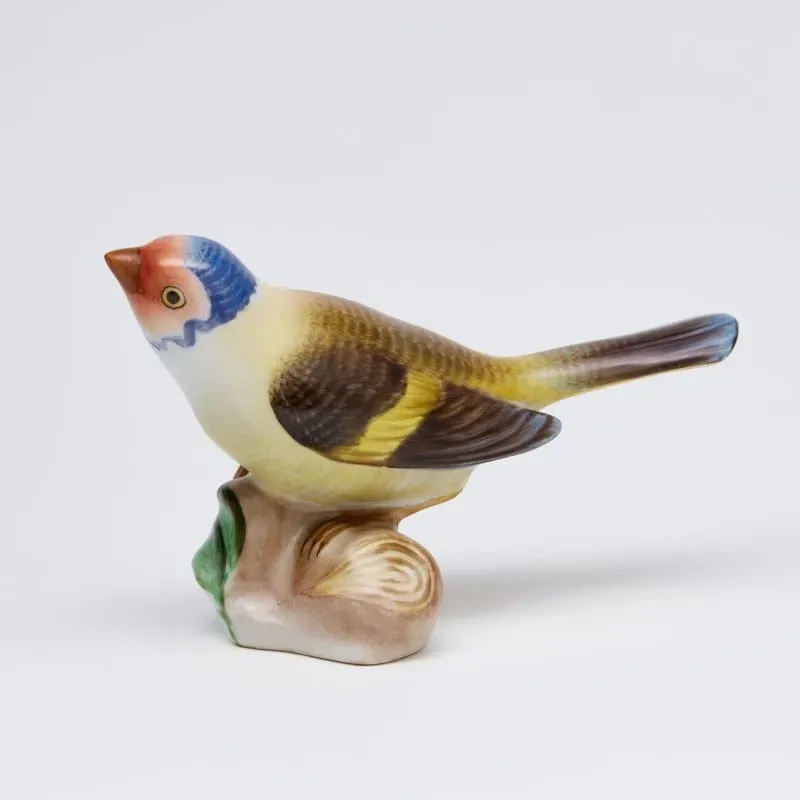
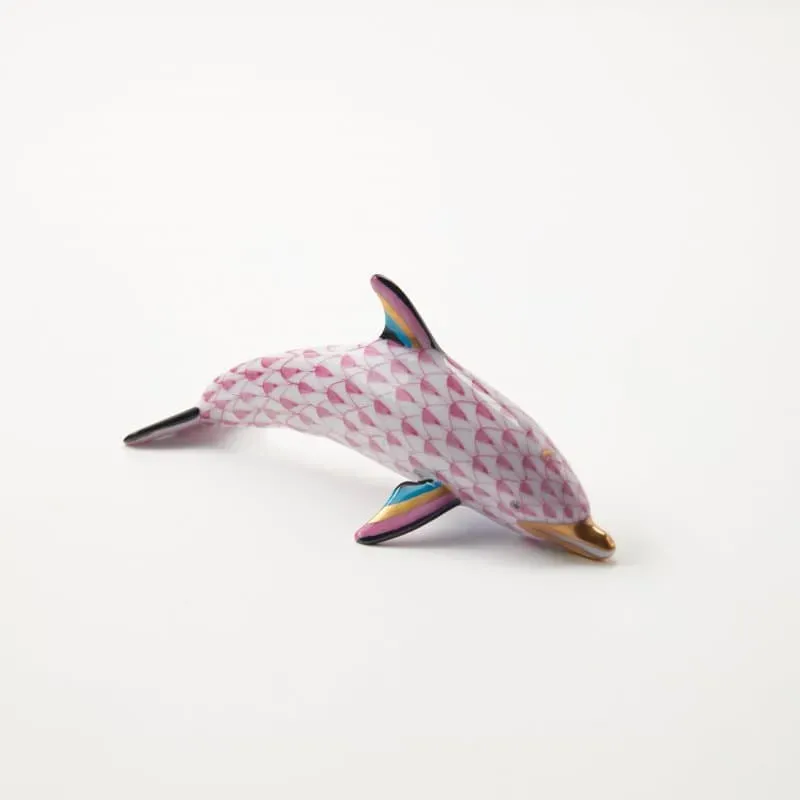
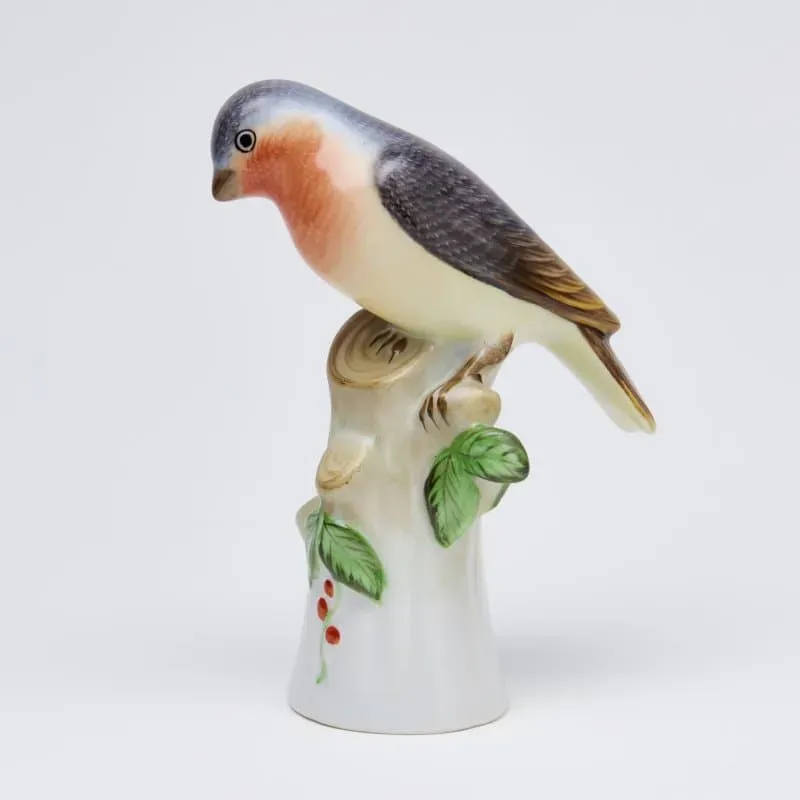
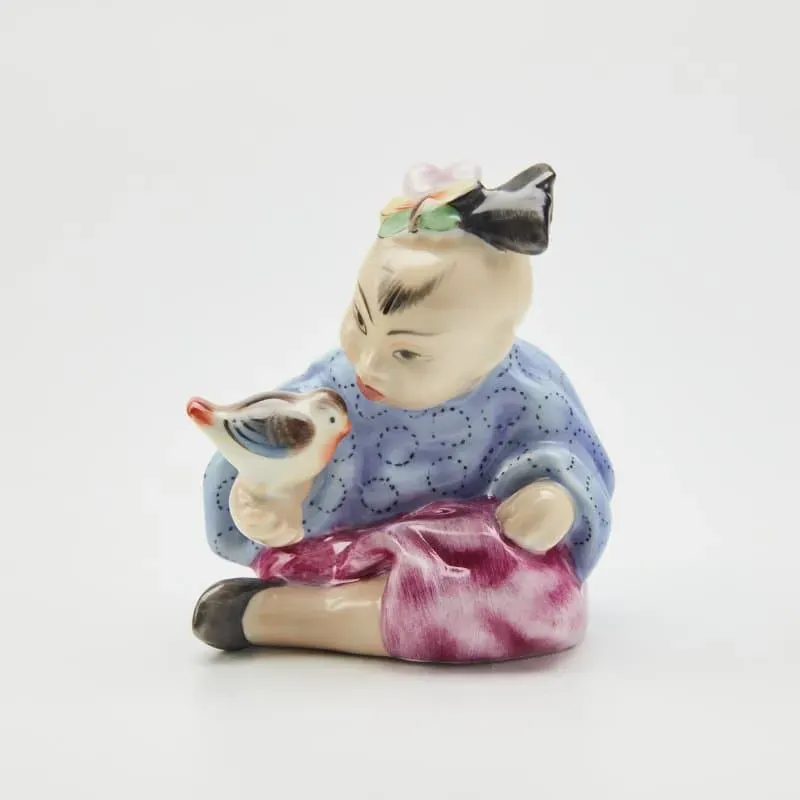
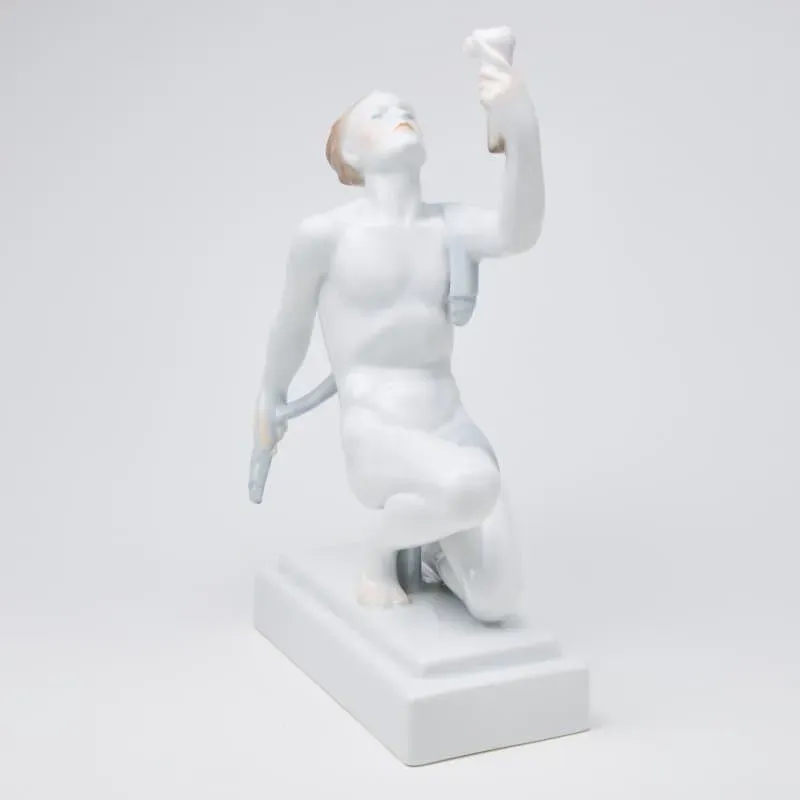
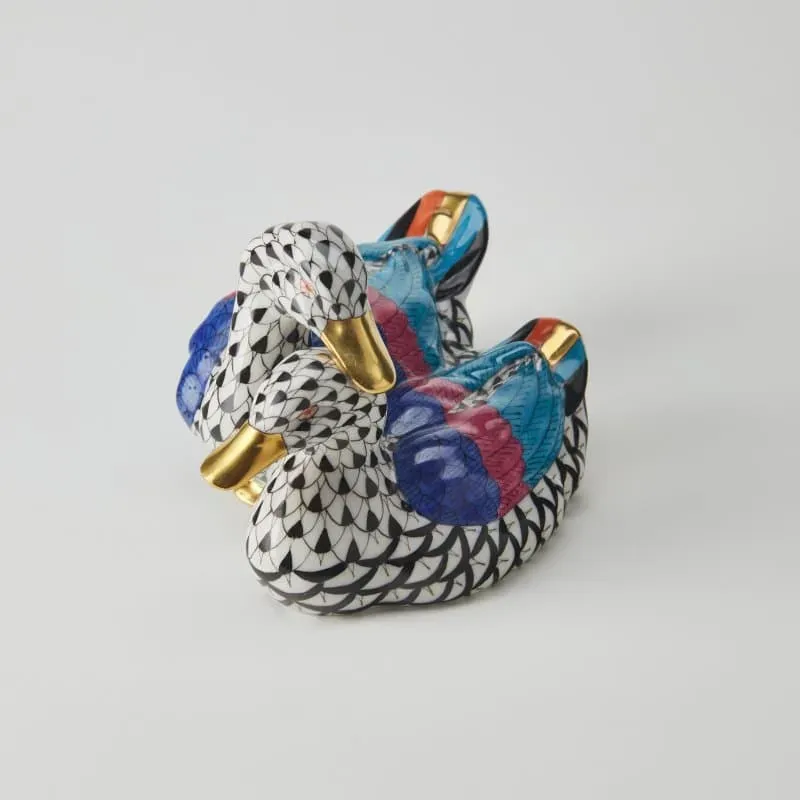
The Herend factory is also known for producing figurines modeled by sculptors who collaborate with it. For example, popular motifs include figurines of Hungarian hussars, charming female models, and colorful statuettes of birds.
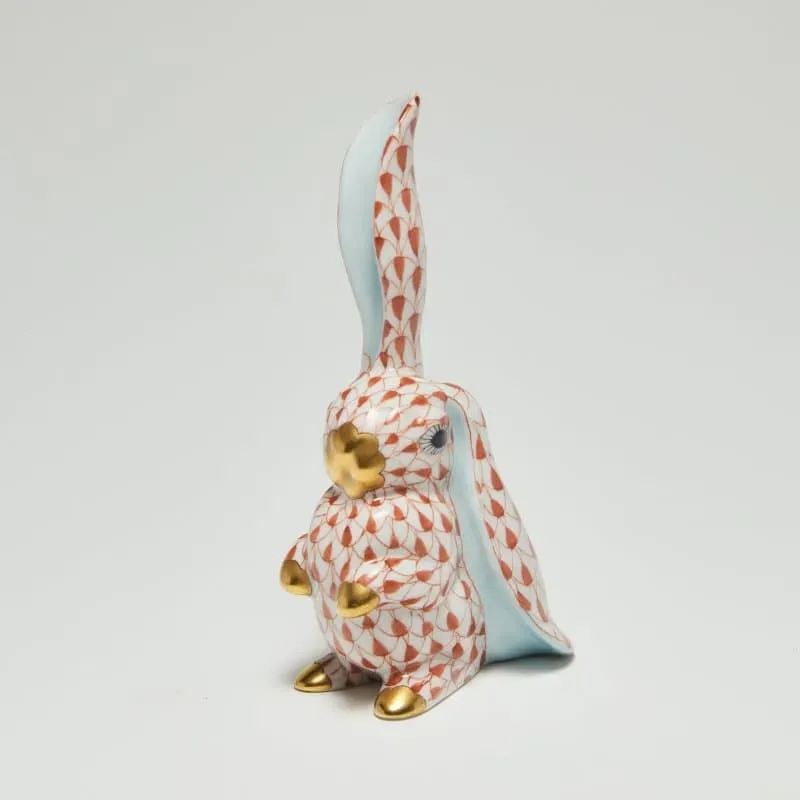
The Herend factory has remained true to old production traditions. Most of the work in modeling and painting, as a century ago, is done by hand—for no machine can replace the sensitive hand of an artist. Therefore, items bearing the Herend mark are considered world-class examples of artistic porcelain.
 @media screen and (max-width: 767px) { .block_masonry.fade-in .block { line-height: 1.0; } }