Porcelain, earthenware, ceramics
Shiwan Pottery
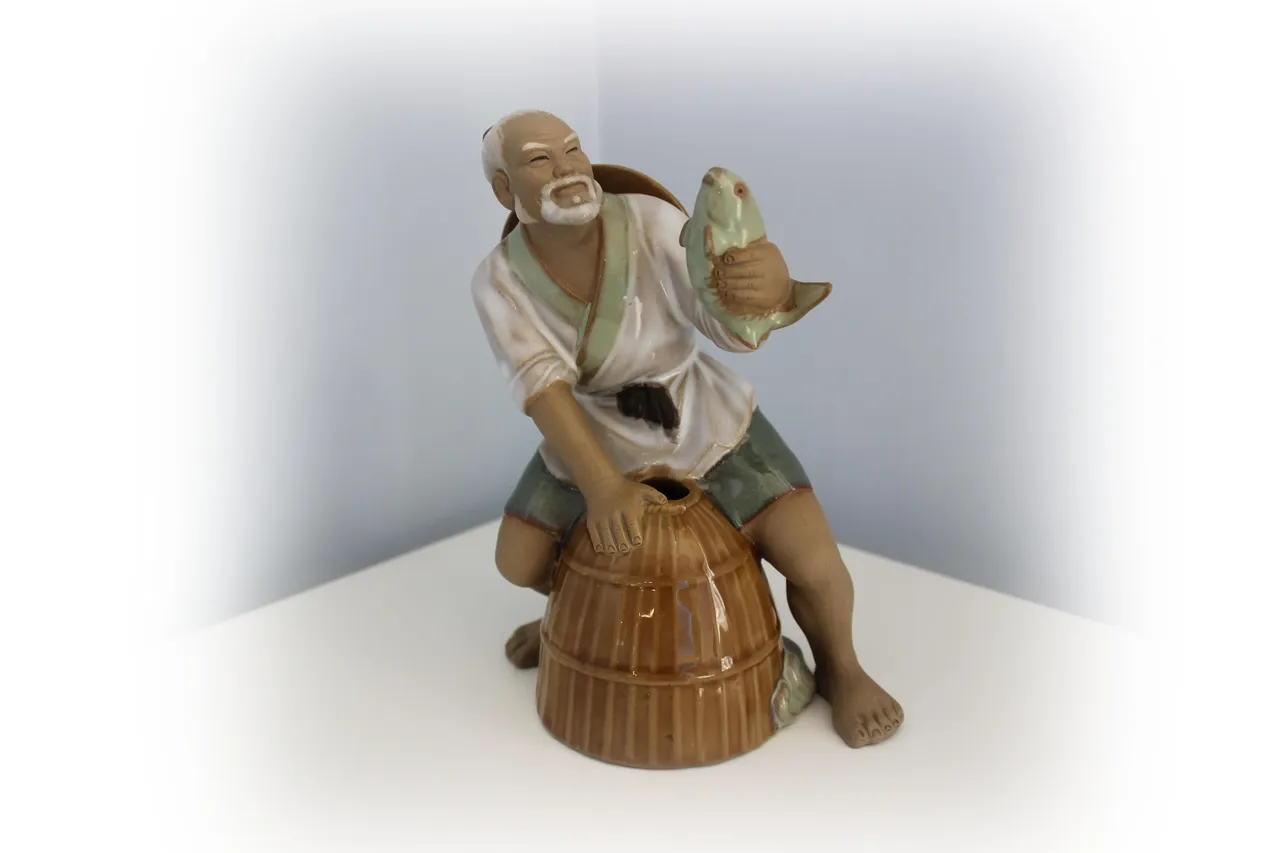
Shiwan pottery (Chinese: 石灣窯; pinyin: Shíwān yáo; Cantonese Jyutping: Sek6 waan1 jiu4) is Chinese ceramics from kilns located in the Shiwanzhen area of Foshan, a provincial city near Guangzhou, Guangdong province. It is a part of a larger group of products from the coastal region known as "Cantonese ceramic ware." The hilly, wooded area had slopes where dragon kilns could be built, and fuel for them, and it was located near major ports. Ceramics have been produced in this area since the Neolithic period, and over 100 firing sites have been excavated, but large-scale production of various products began during the late Ming dynasty and continues to the present day. The Nangfen kiln has been operating for about 500 years and is now a popular tourist attraction. Shiwan products were made in various styles, many of which were intended for utilitarian purposes. They were mainly (in Western terms) stoneware. Three types of products particularly associated with Shiwan are roof tiles and architectural decorations, and starting from the Qing dynasty, imitations of Jun wares and popular polychrome figurines. The earlier products were mainly thickly glazed and intended for practical purposes, while the later decorative products were still relatively rough by modern Chinese standards. The kilns were major producers of roof tiles, including ornamental or fully sculptural elements used for large buildings. They also produced large but elegant storage jugs called "martaban," which were possibly sometimes distributed with foodstuffs and sometimes as empty vessels. Both tiles and martaban were widely exported to the rest of China and East Asia. Their production appears to have started towards the end of the Ming dynasty or possibly the beginning of the Qing dynasty.At the same time, Shiwan kilns began to produce more decorative items using a range of colored glazes that imitated the famous products of the classical Song dynasty. In particular, the blue-violet glaze of Jun ceramics was imitated on various vessel shapes and small figurines. Such figurines became and remain a distinctive feature of Shiwan, created for a very popular market. Initially, they depicted the same Buddhist figures as the Blanc de Chine from Dehua, but by the 19th century, models of folk heroes and some satirical figures were created. Shiwan was the main producer of such secular statuettes. Bird and animal figurines were also crafted, primarily using colored glazes. Shiwan figurines functioned as the Chinese equivalent of English Staffordshire figurines. Human figures sometimes contrasted the unglazed biscuit areas of the body with glazed clothing and hair. Gestures and facial expressions were often dramatic. The expansion of the Shiwan area may have been linked to the relocation of potters from Dehua and Jingdezhen.