Porcelain, earthenware, ceramics
Lippelsdorf
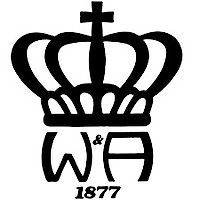
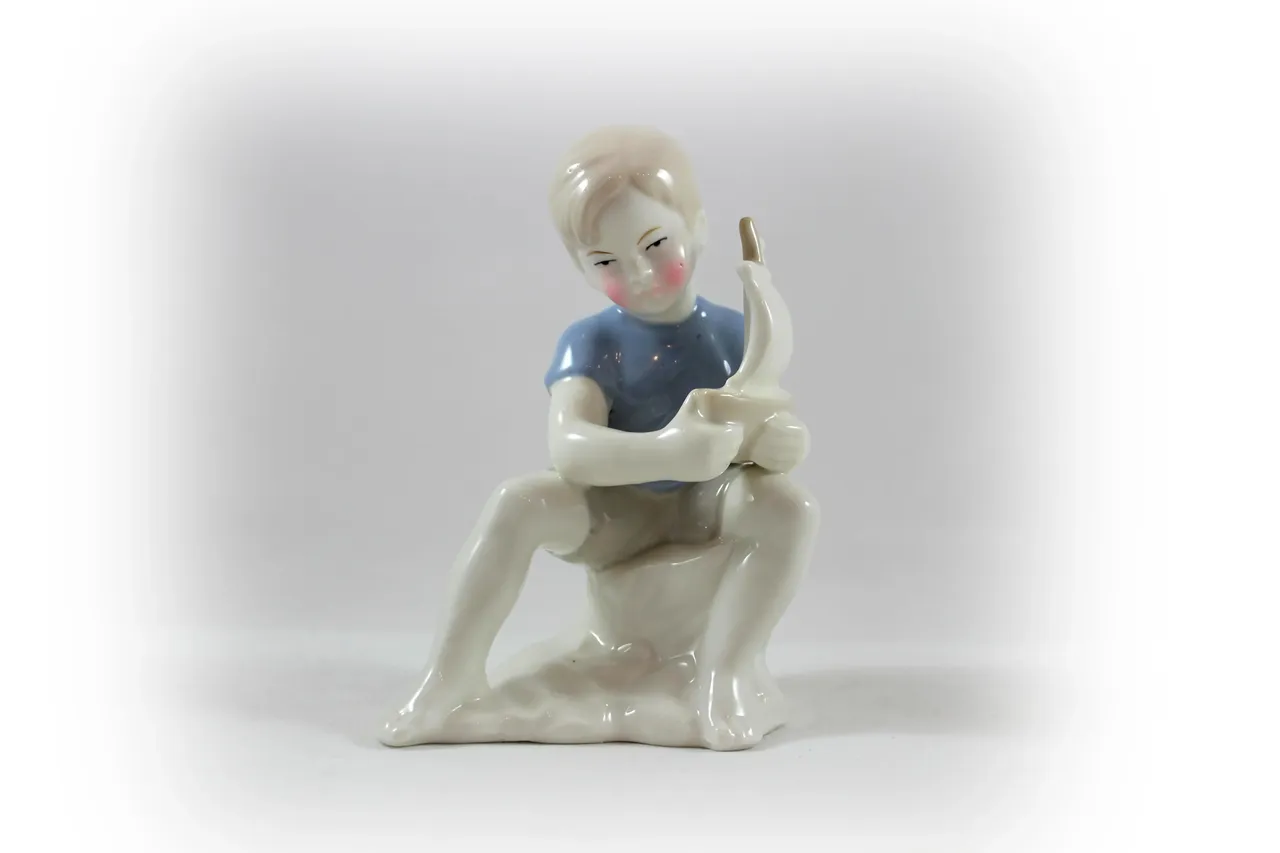
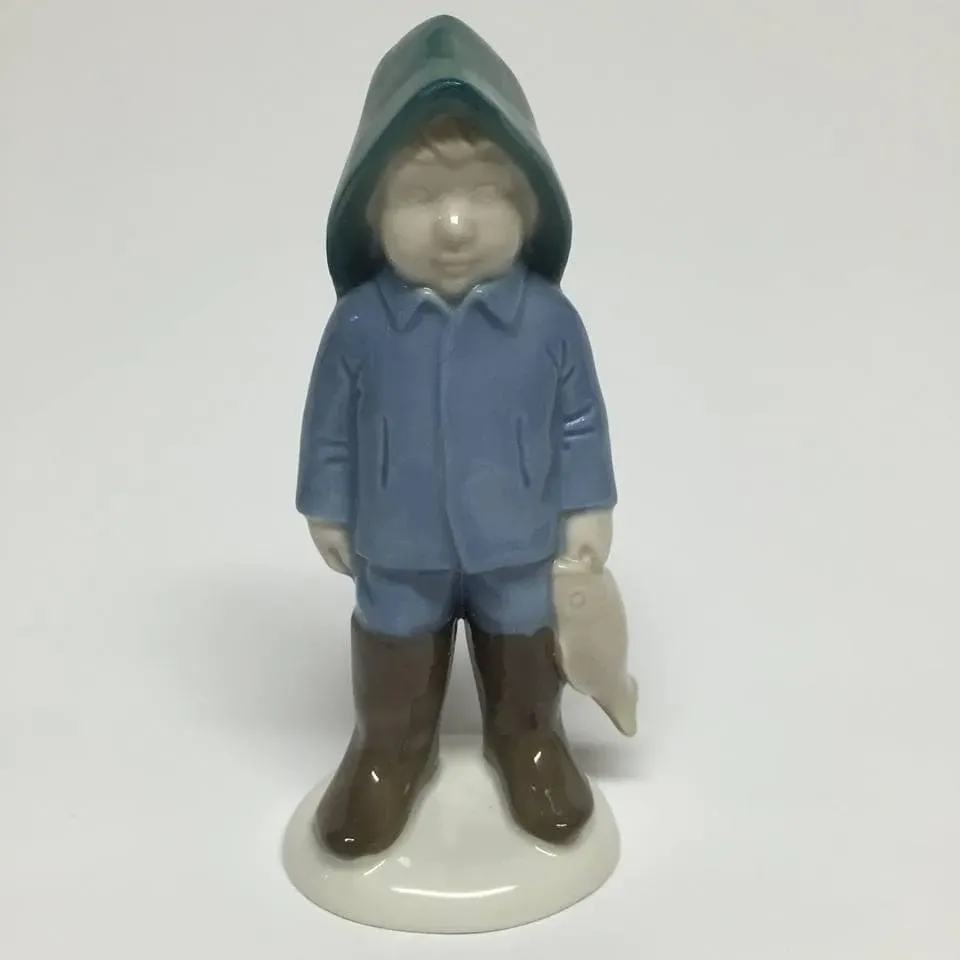
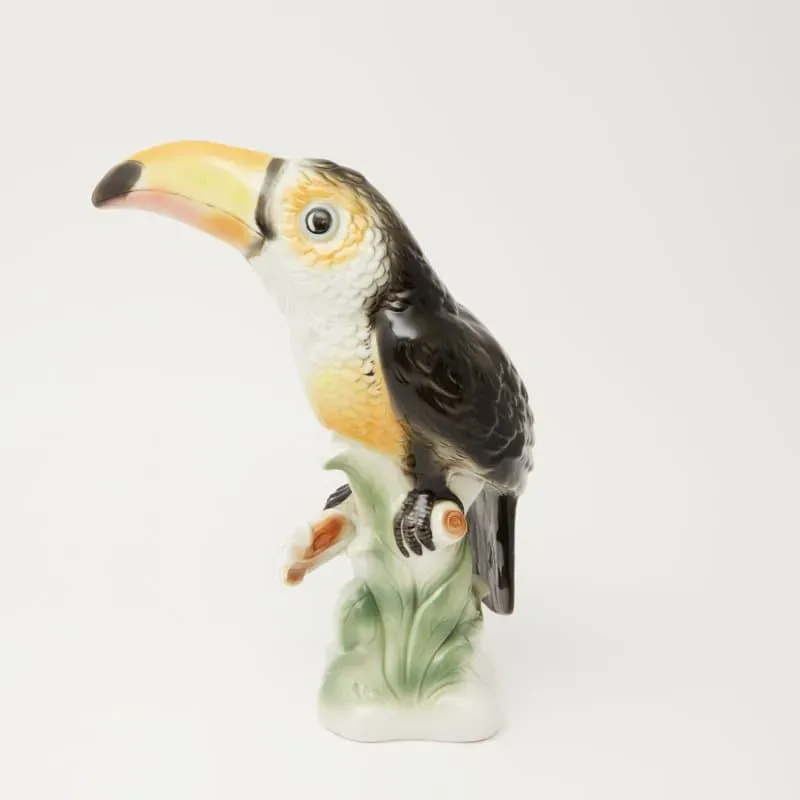
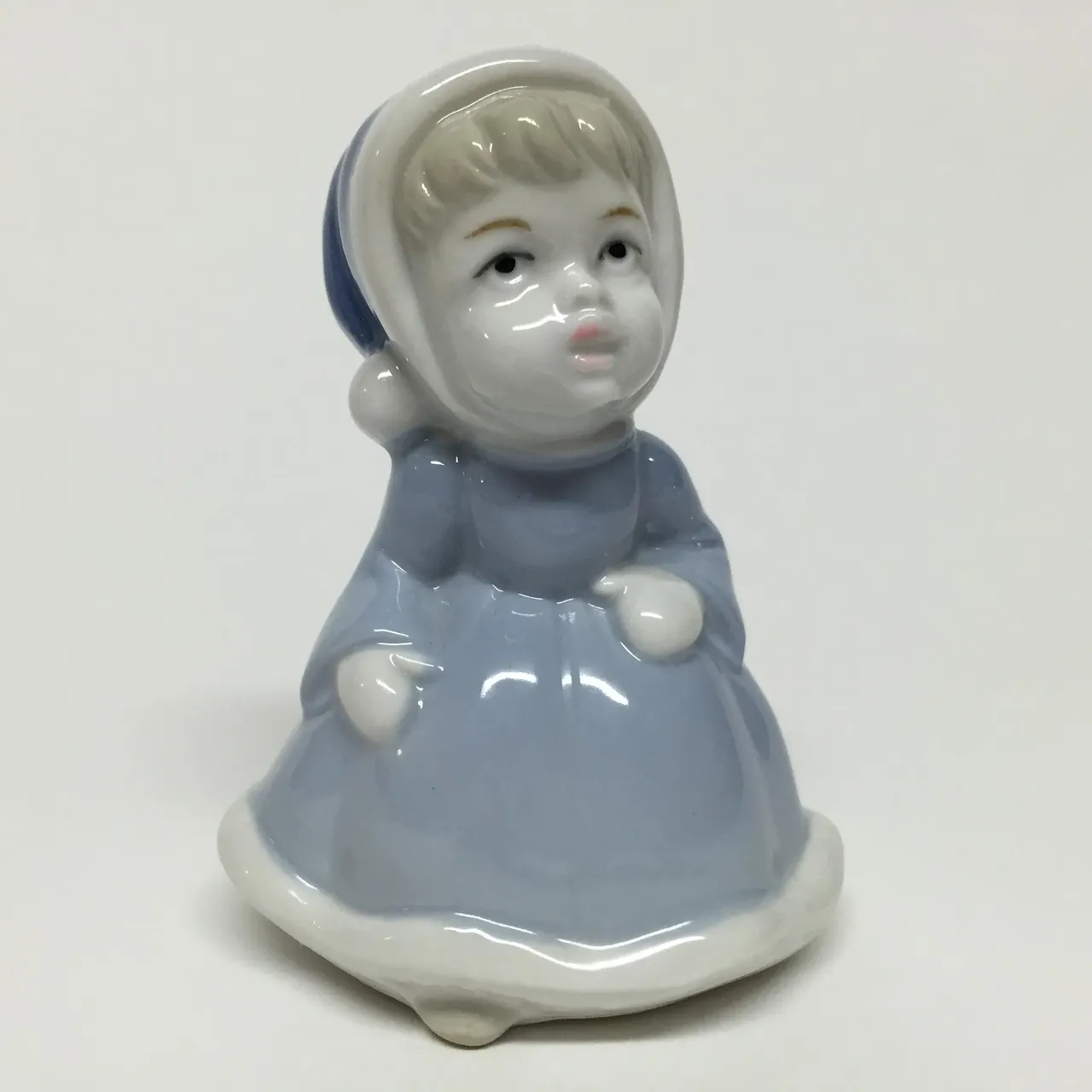
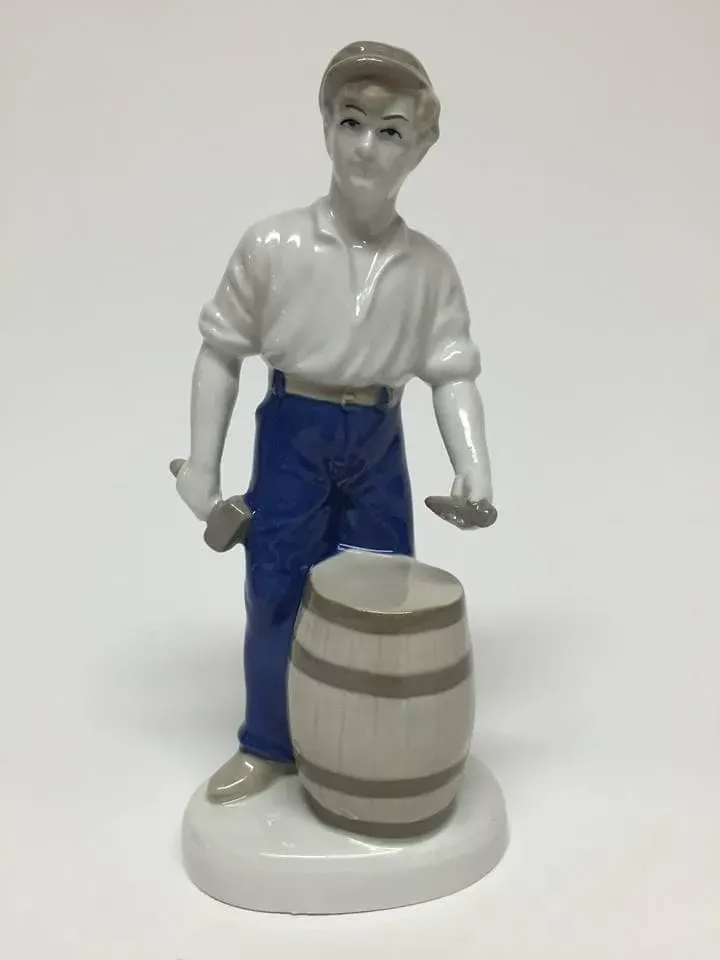
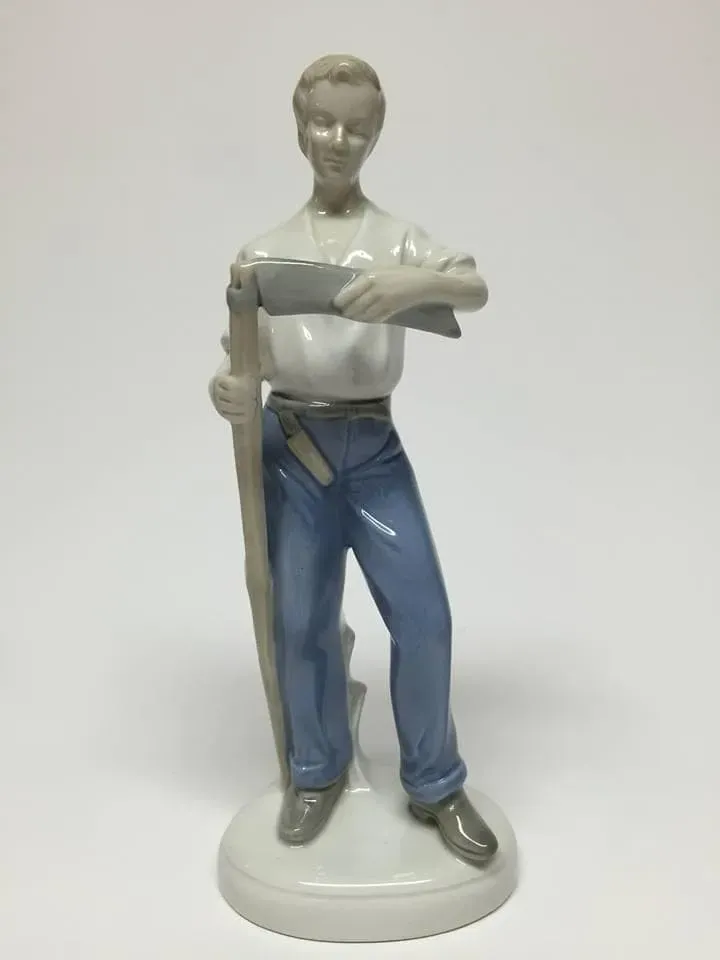
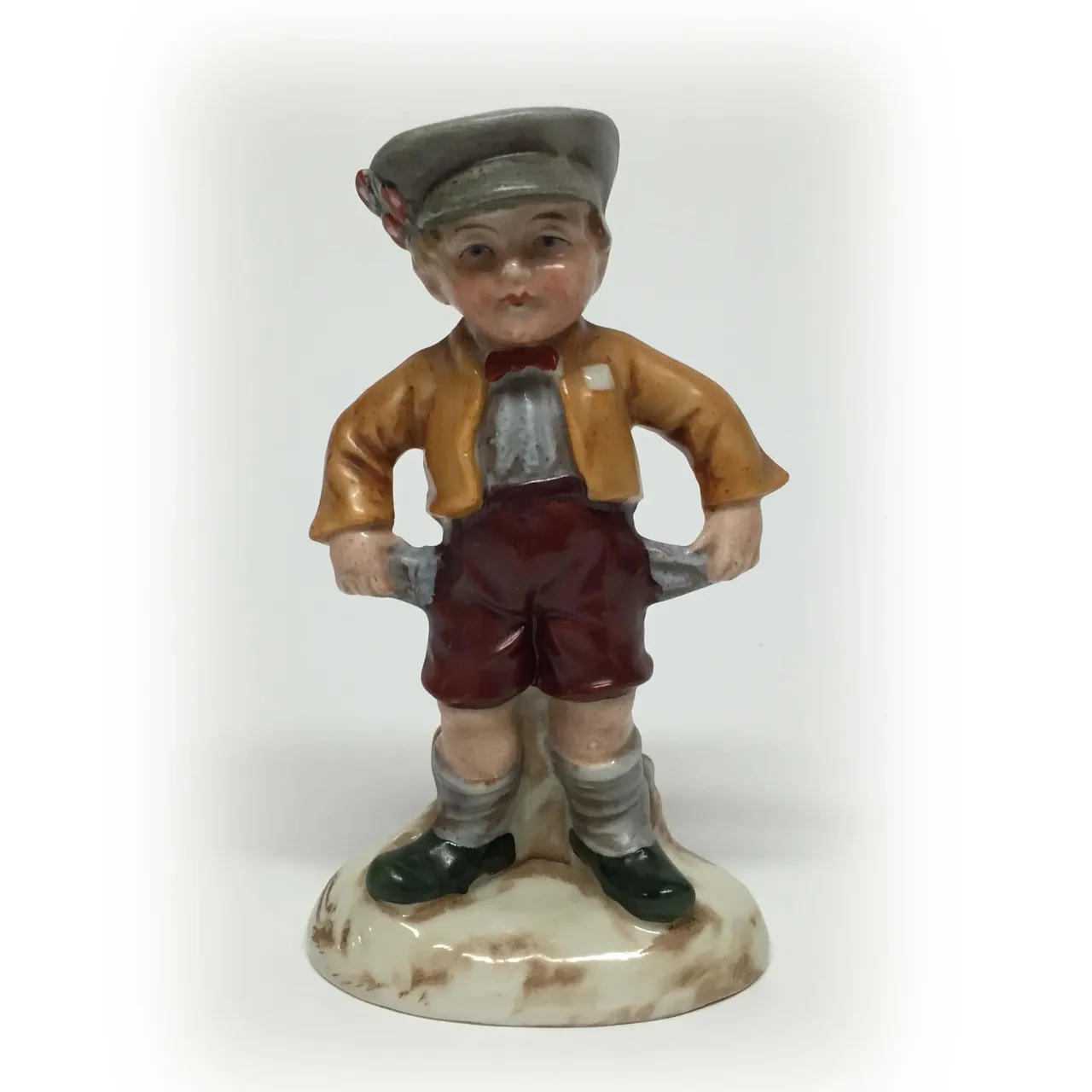
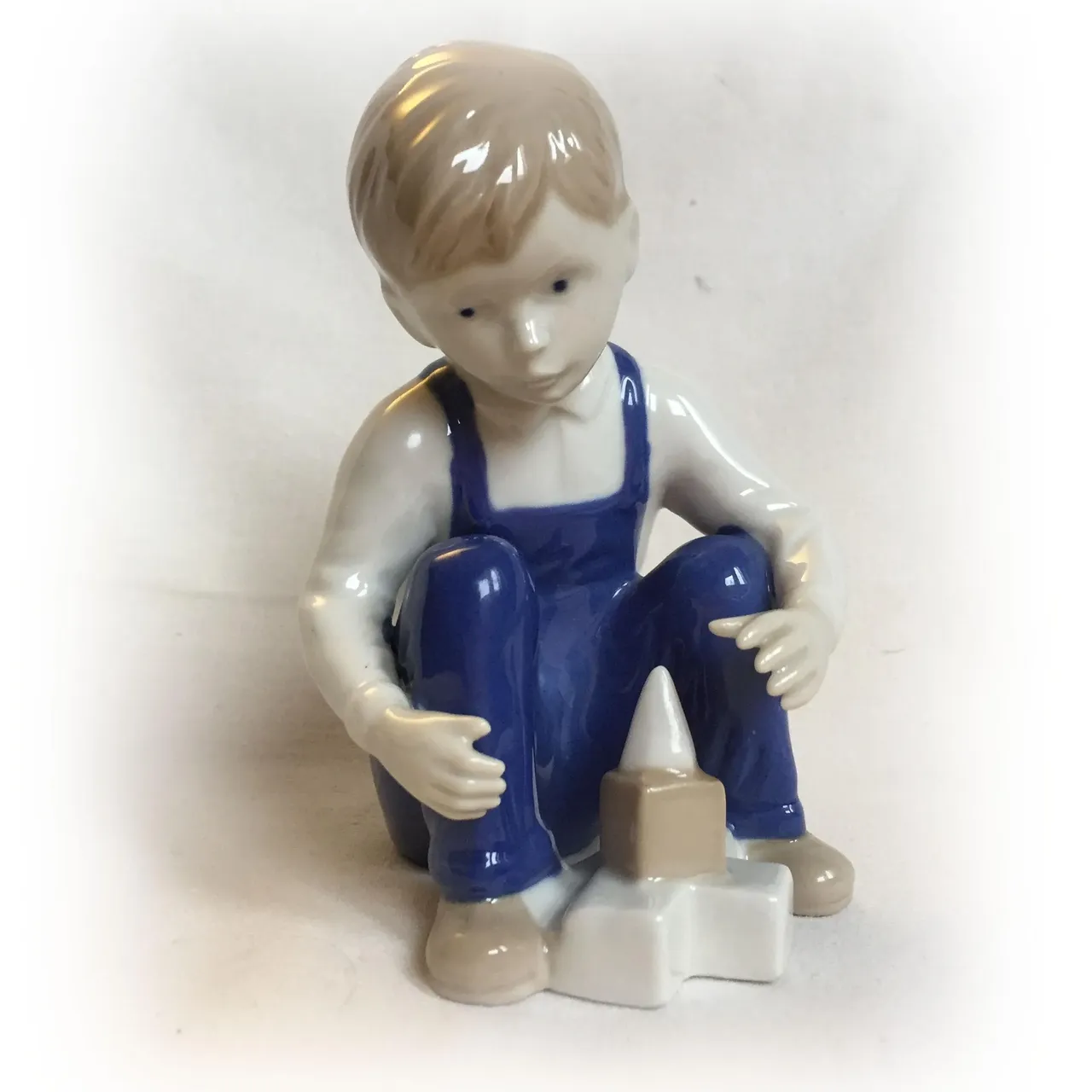
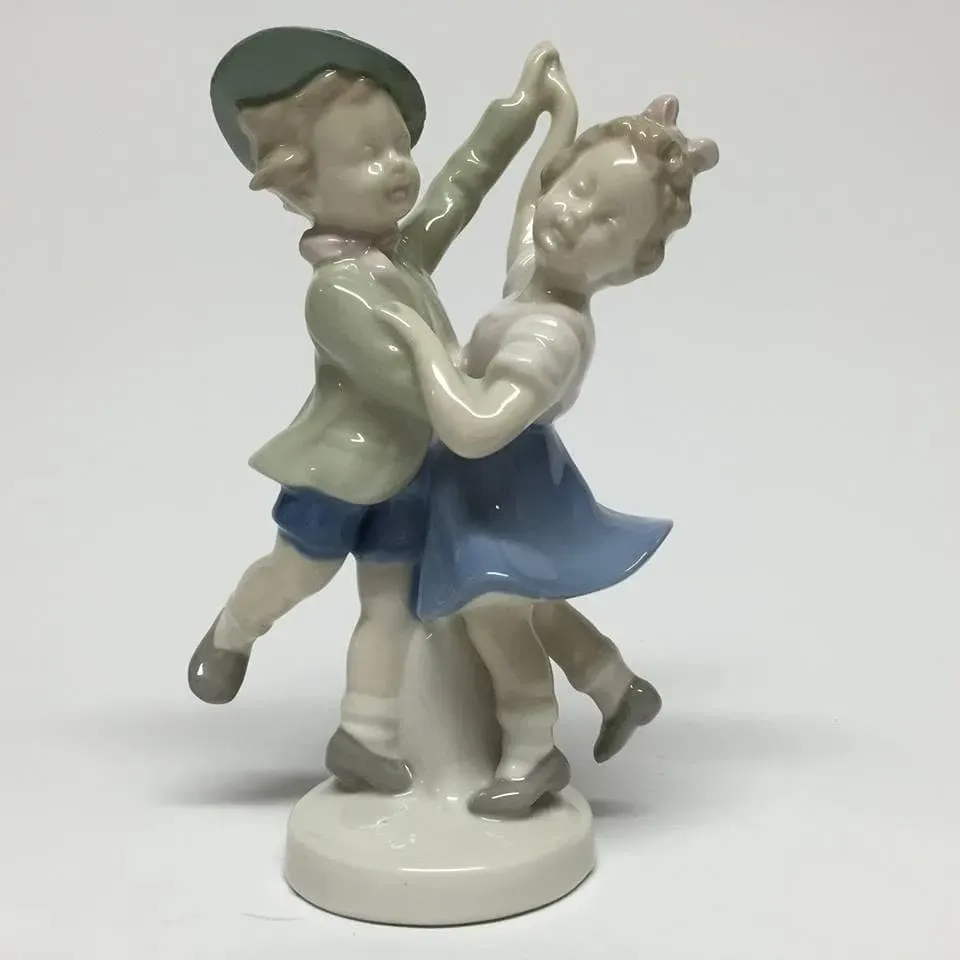
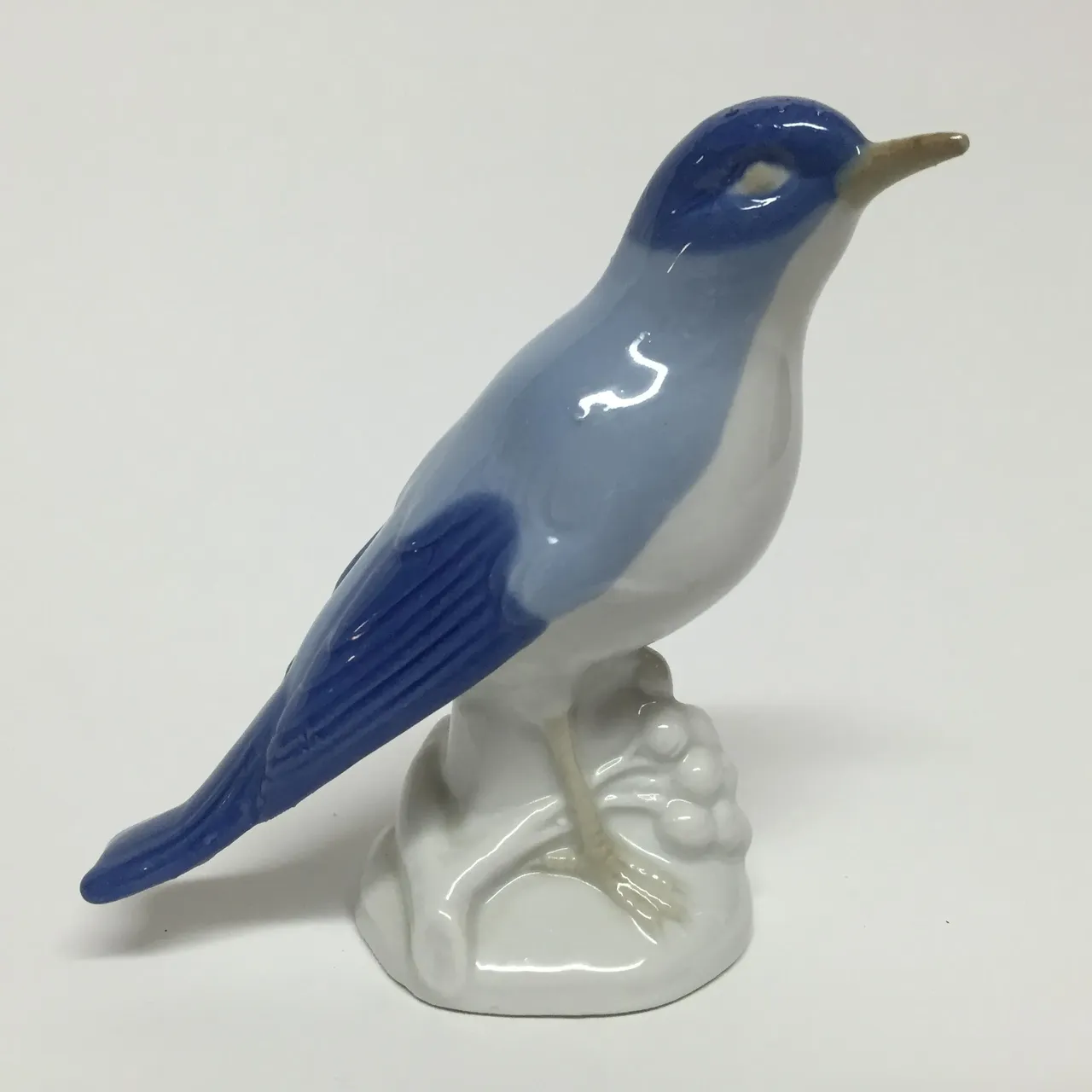
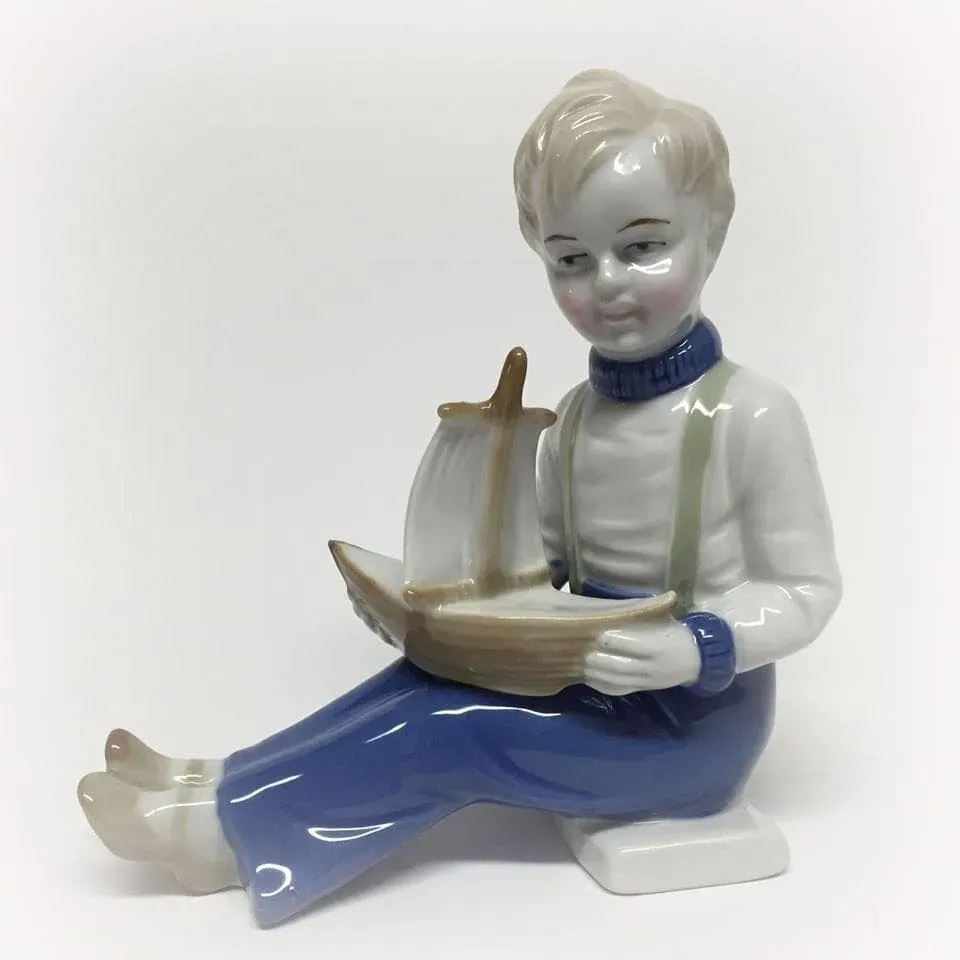
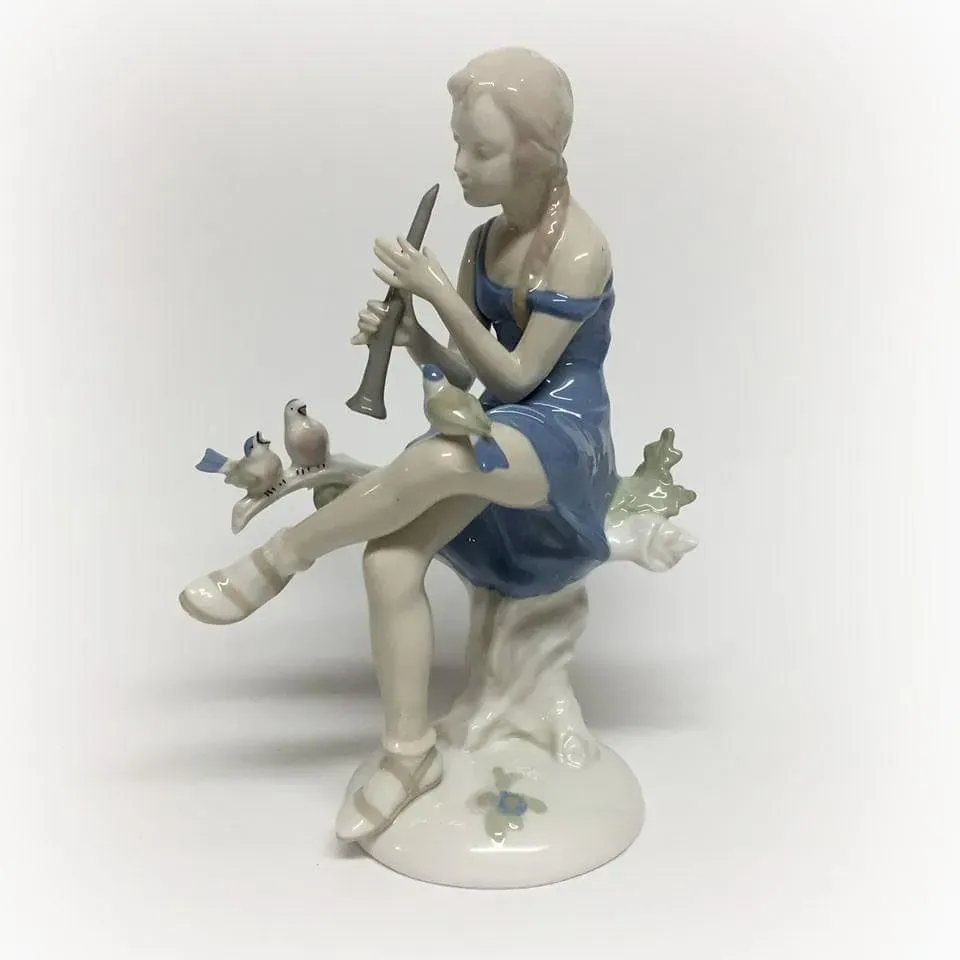
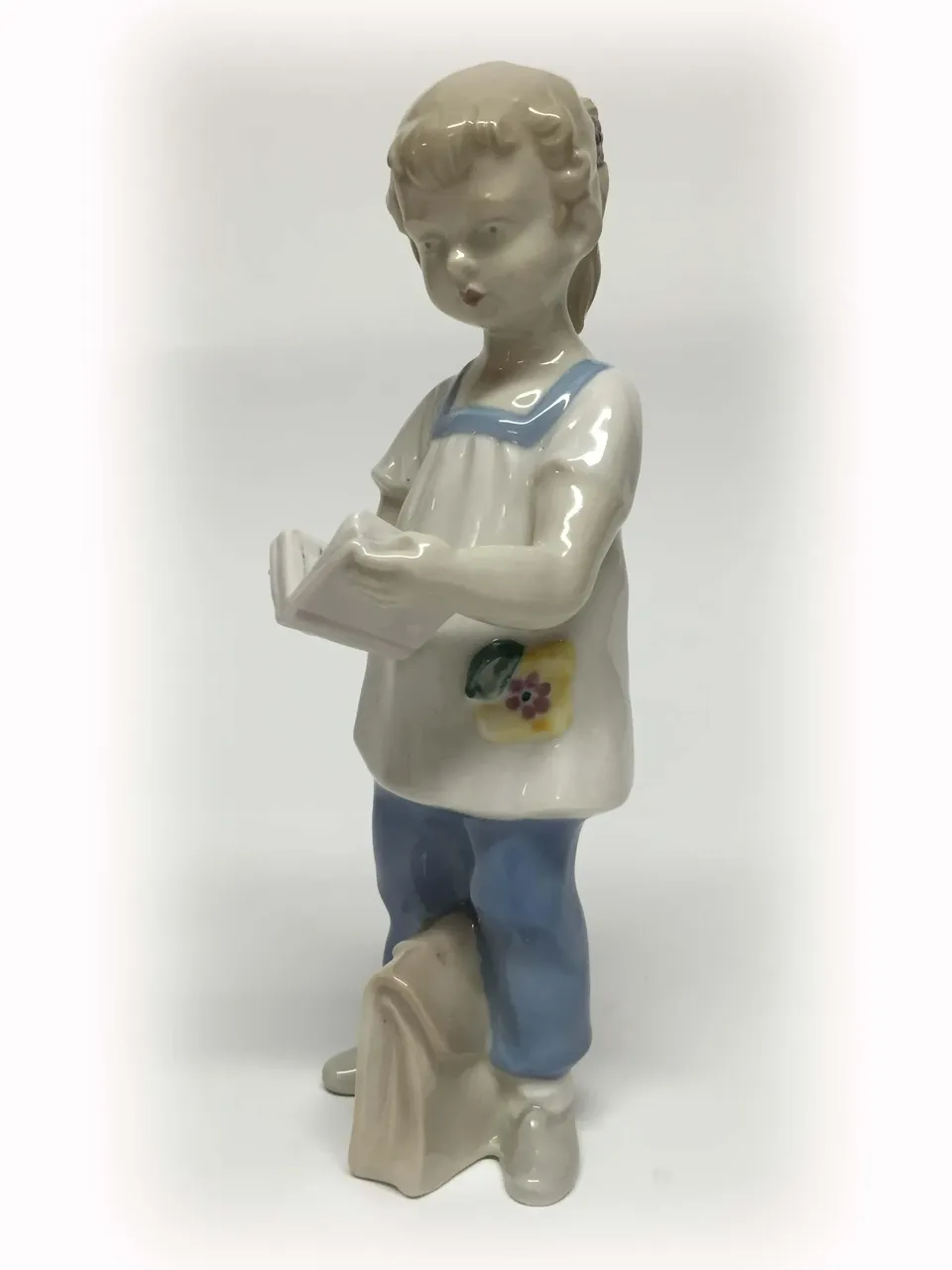
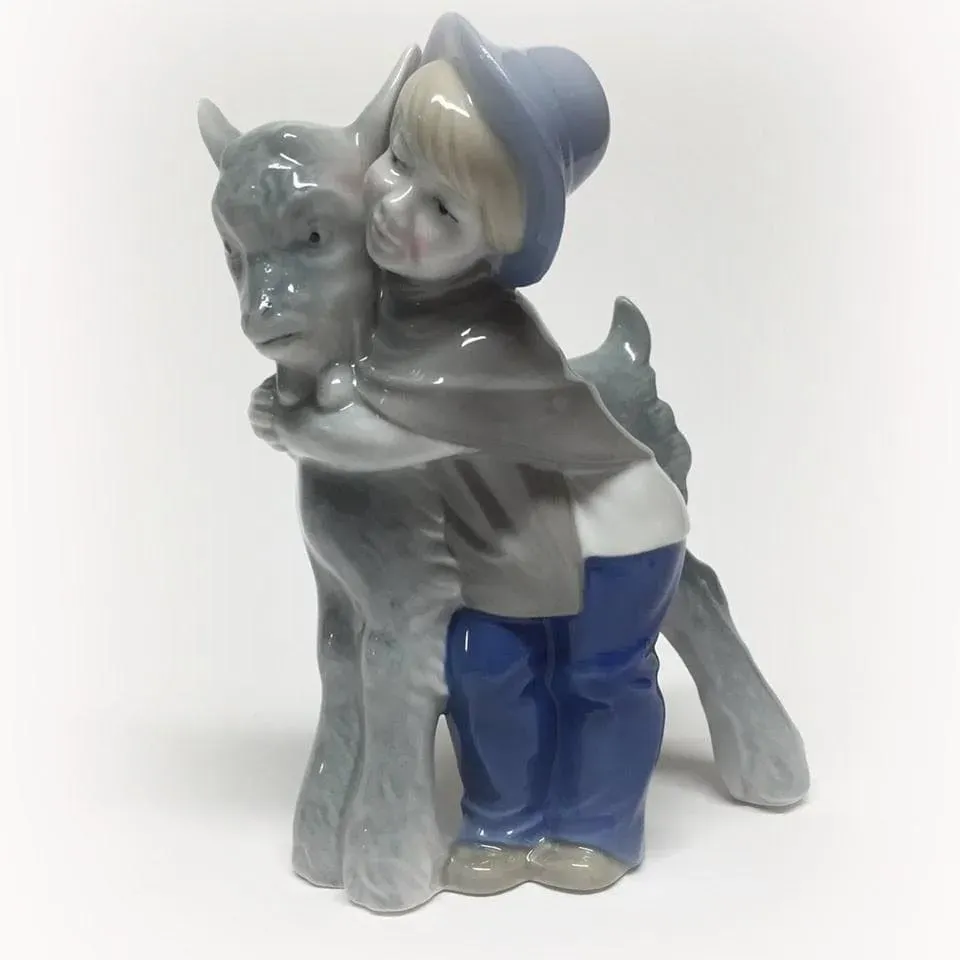
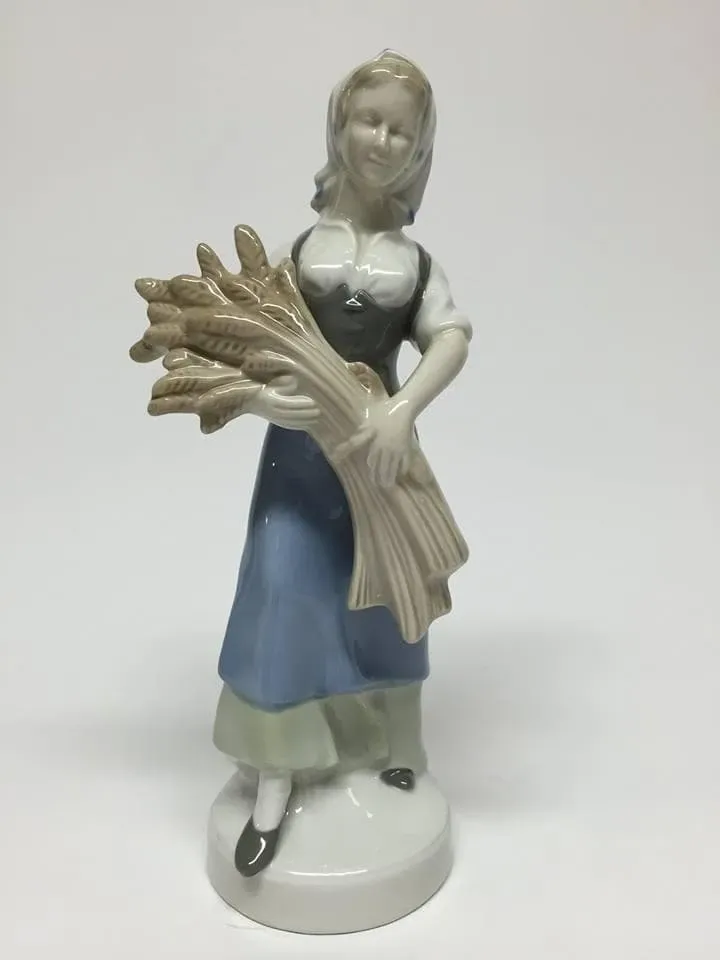
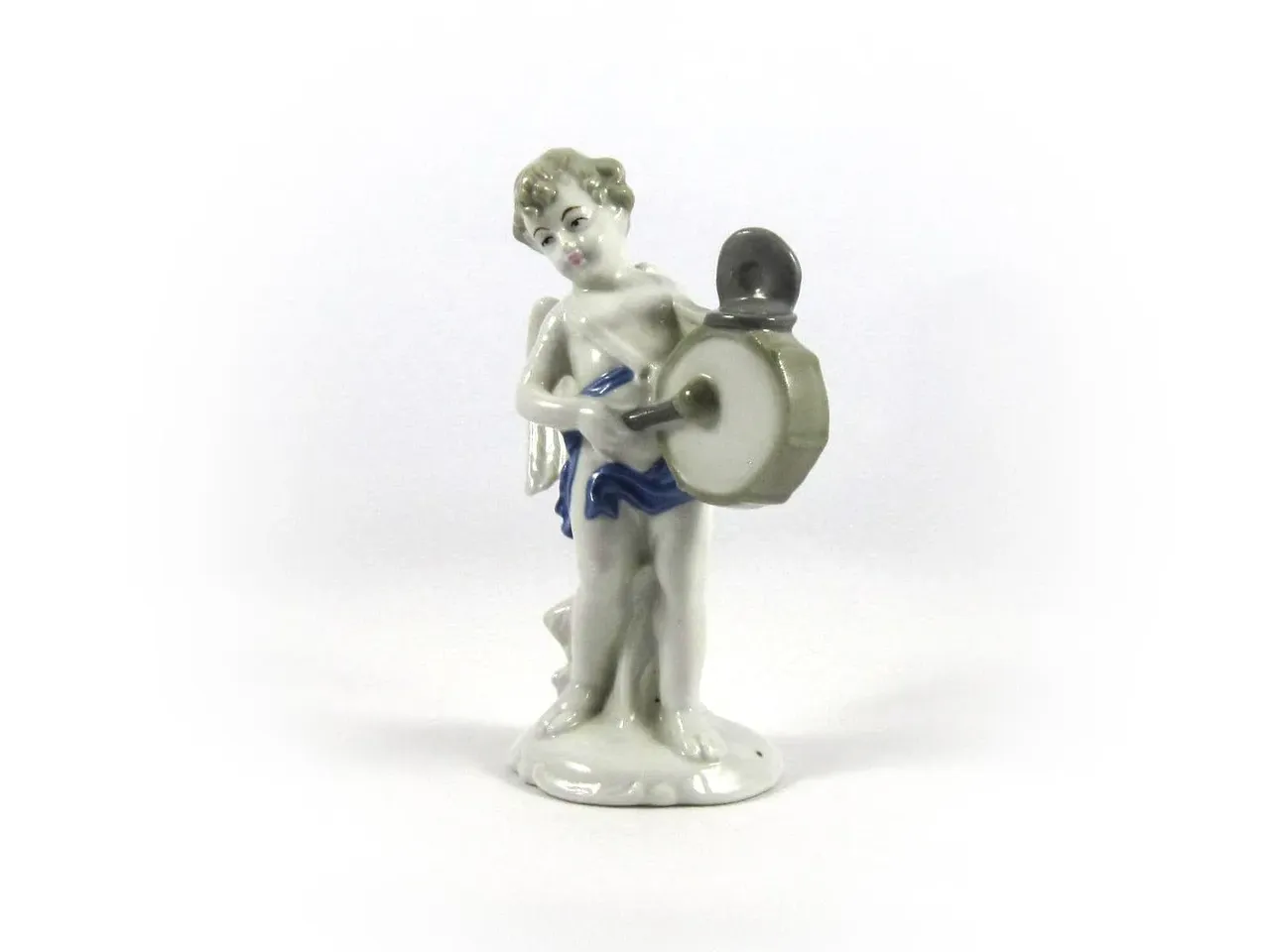
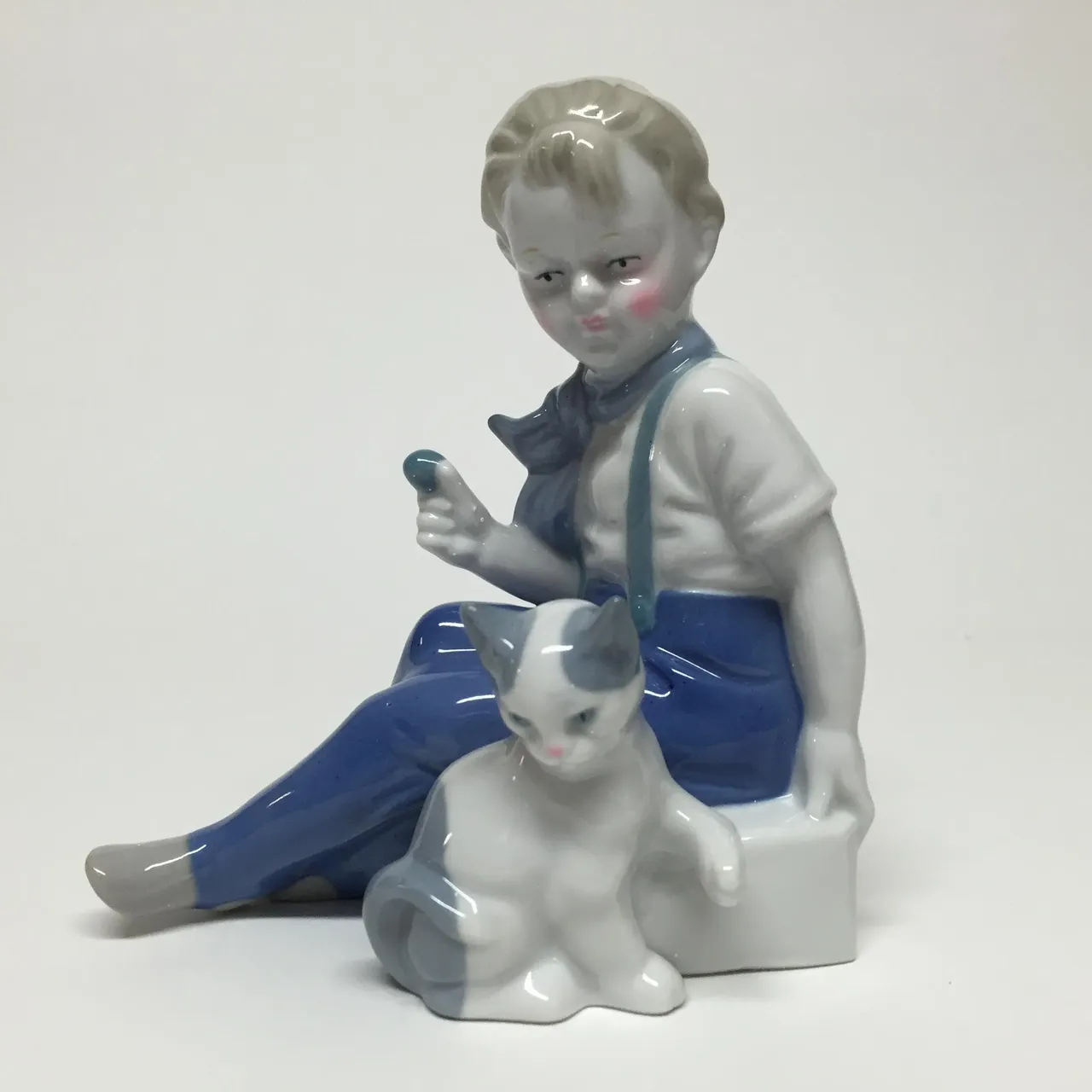
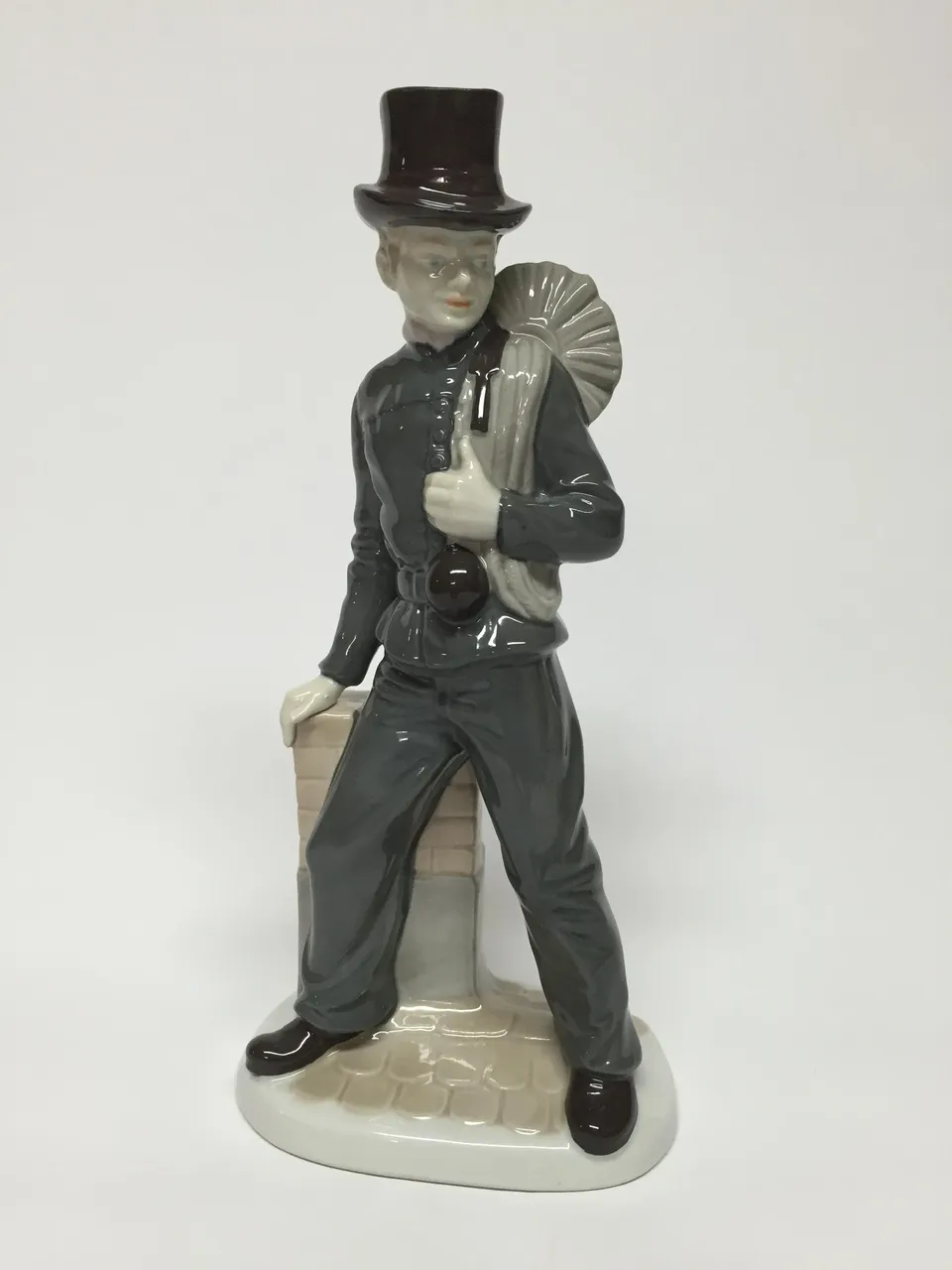
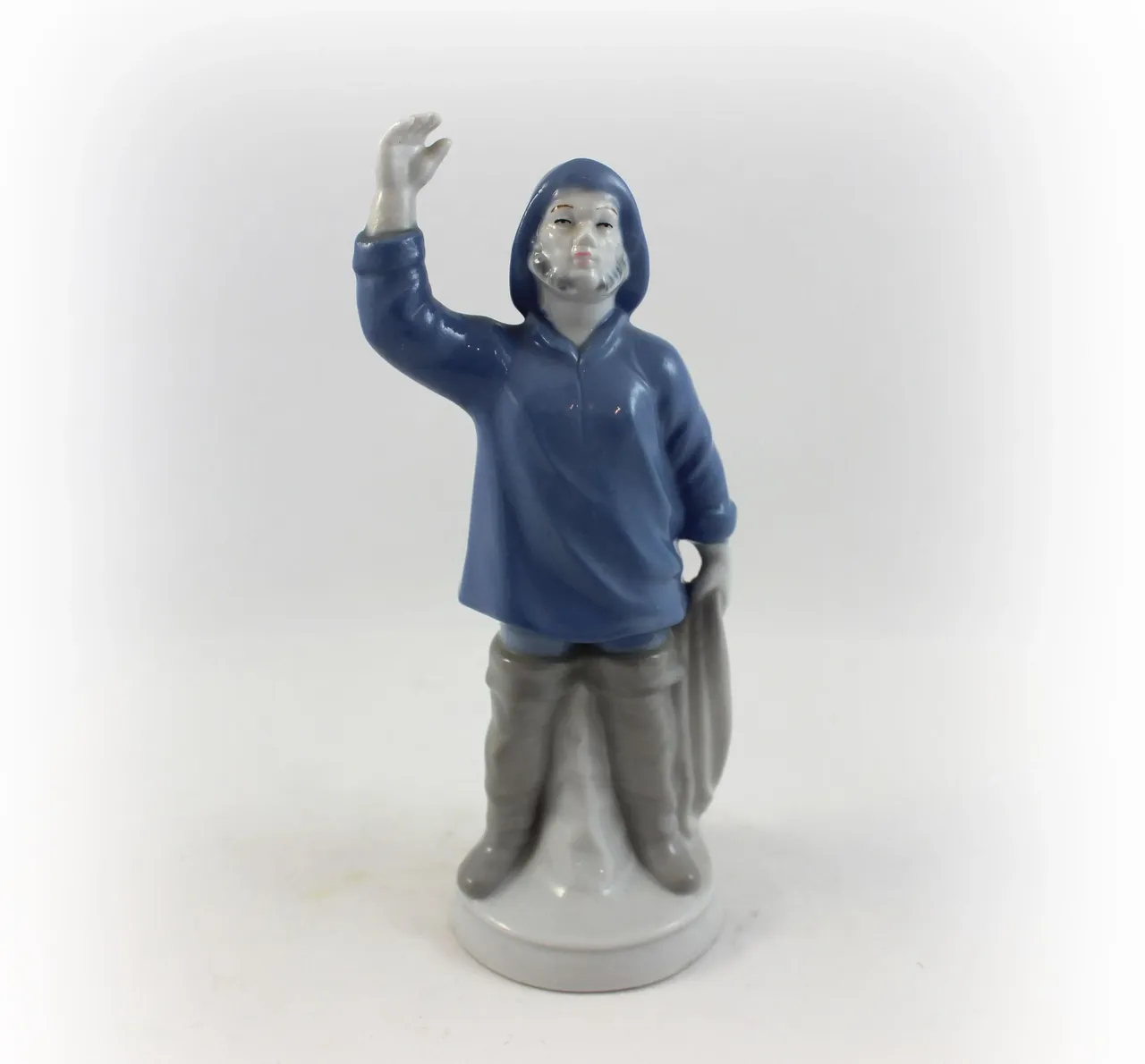
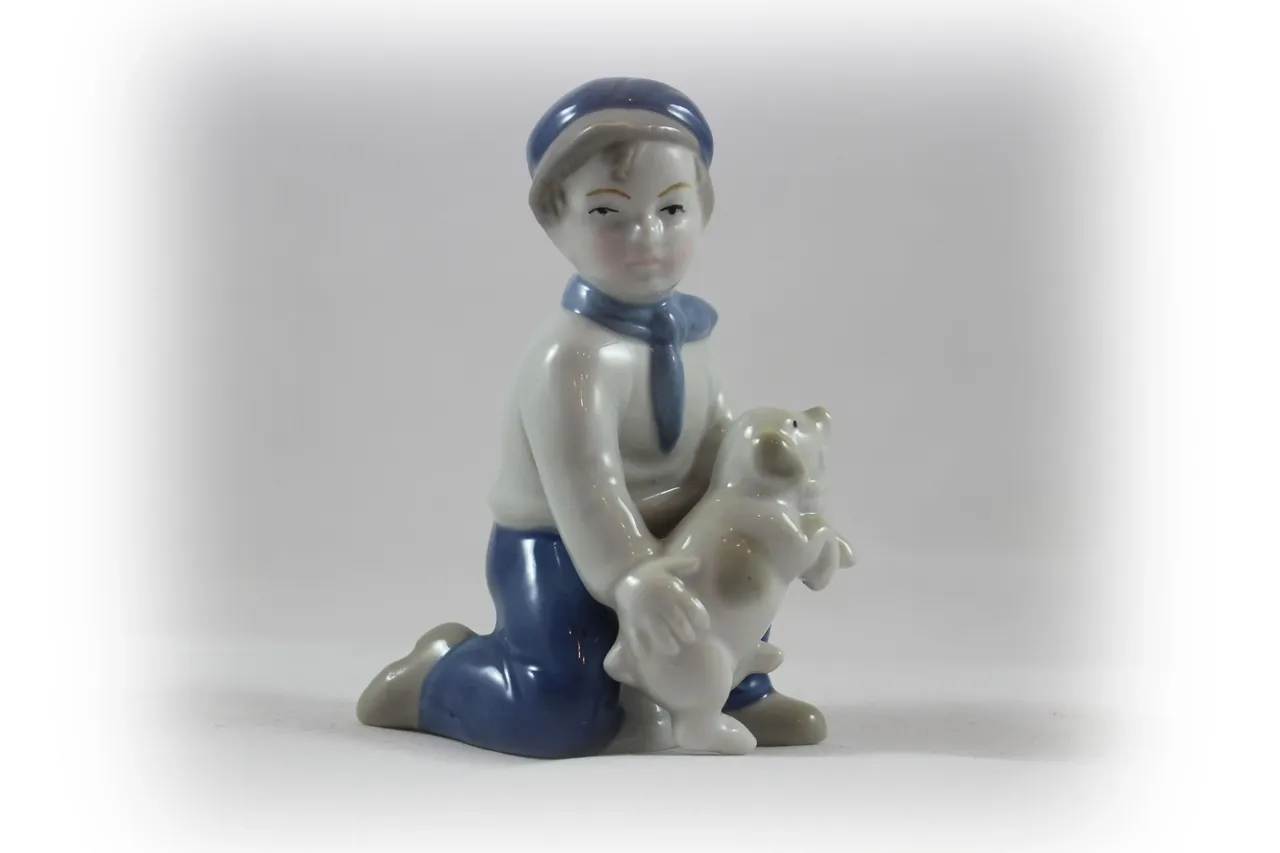
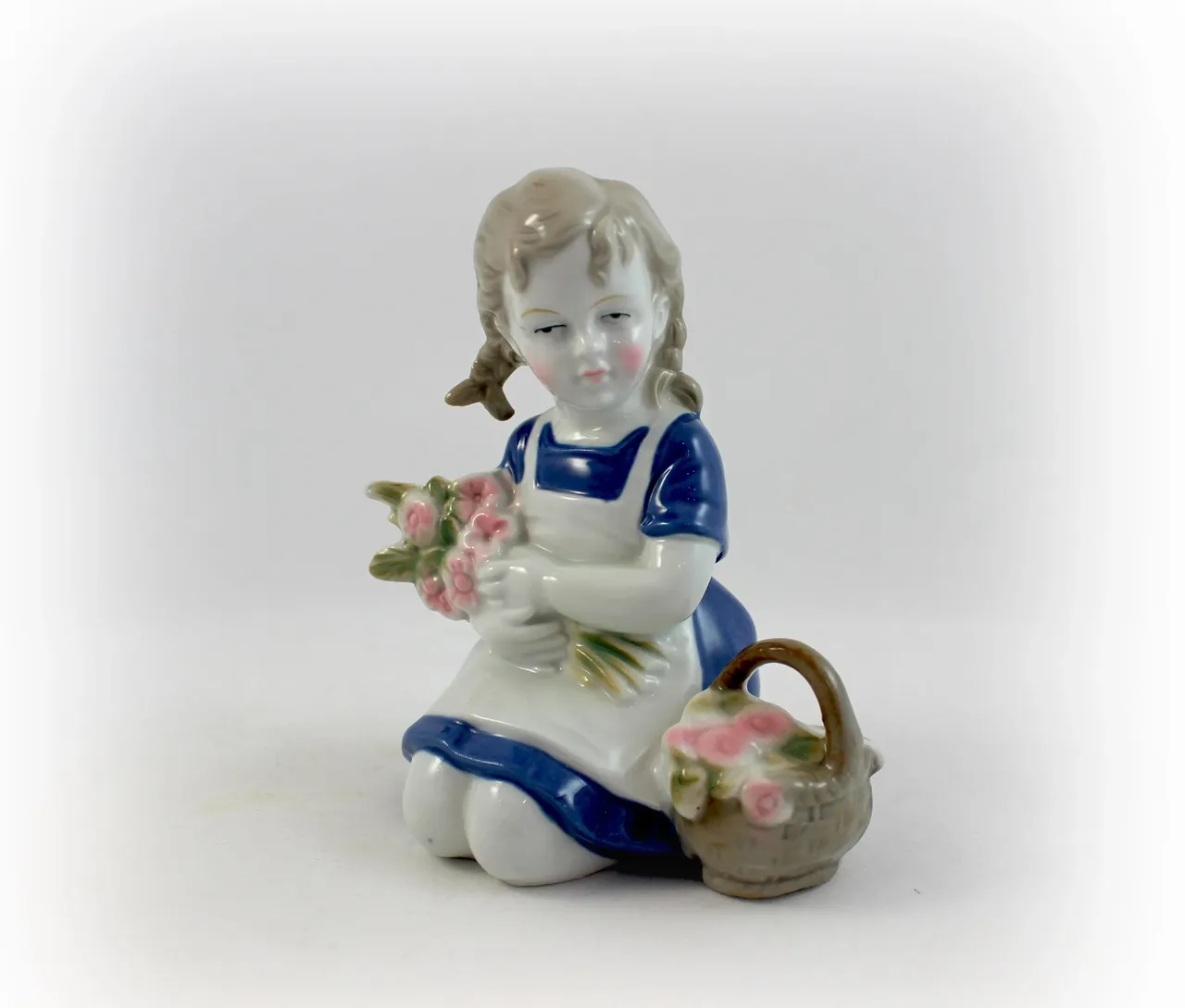
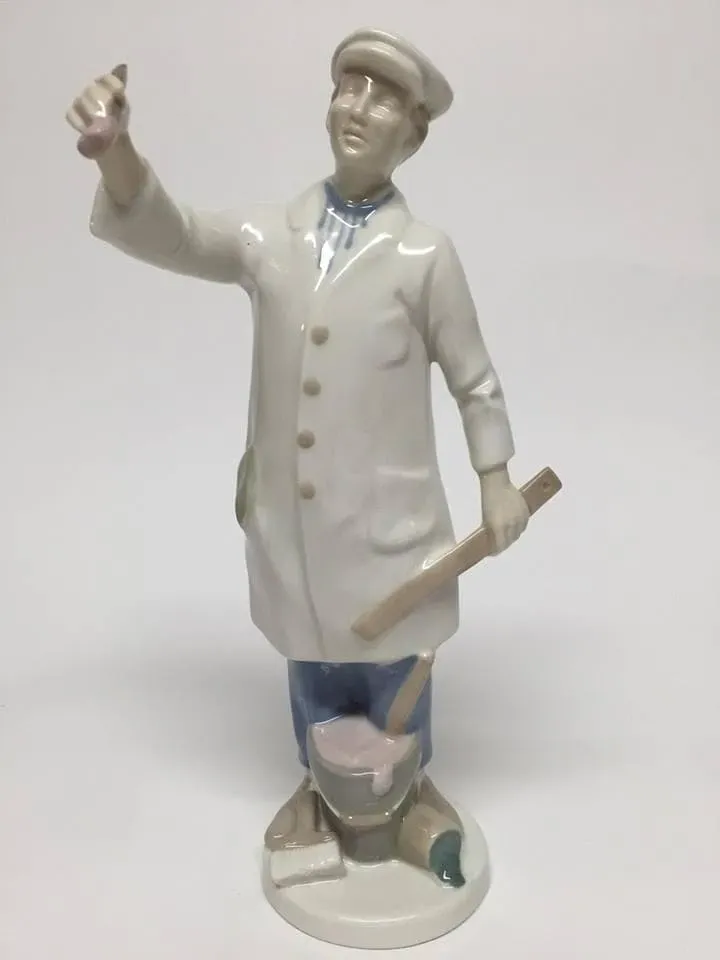
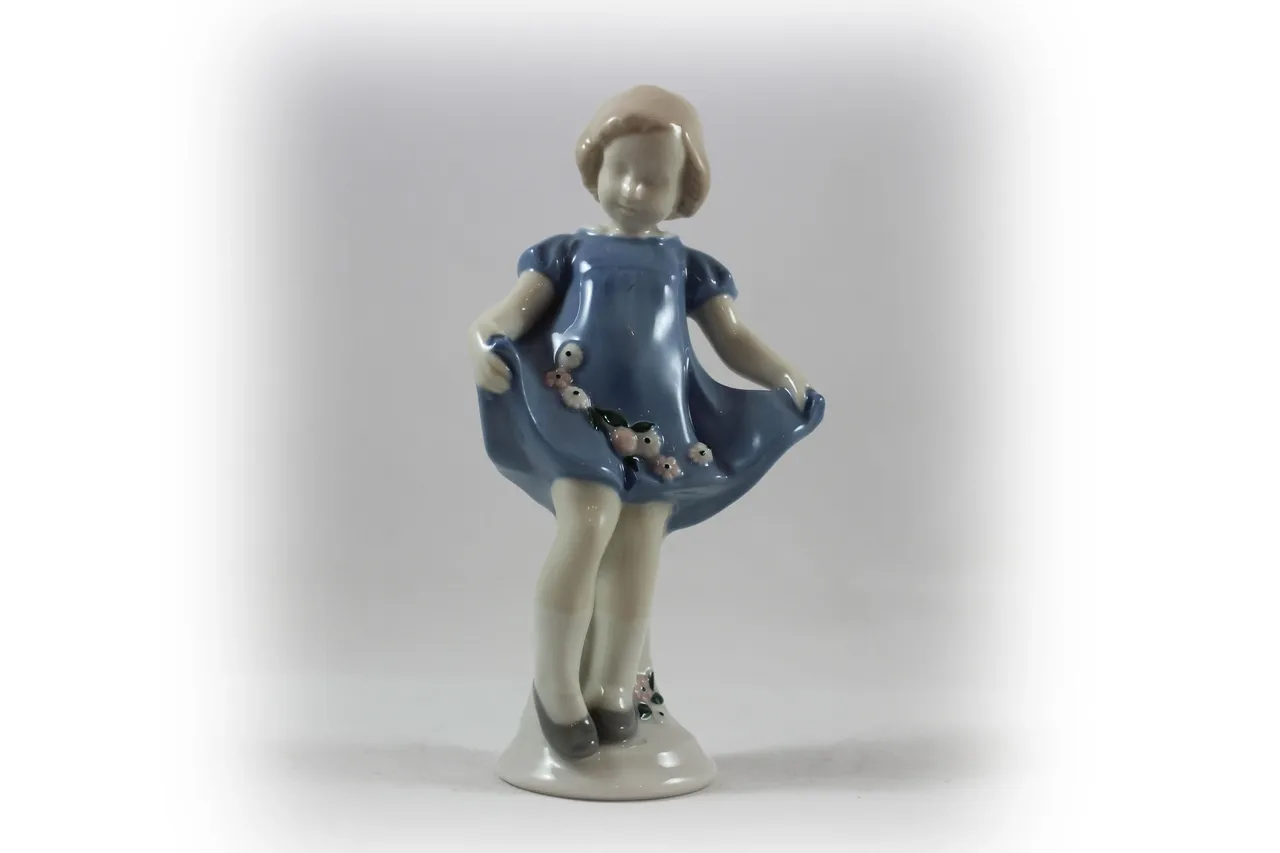
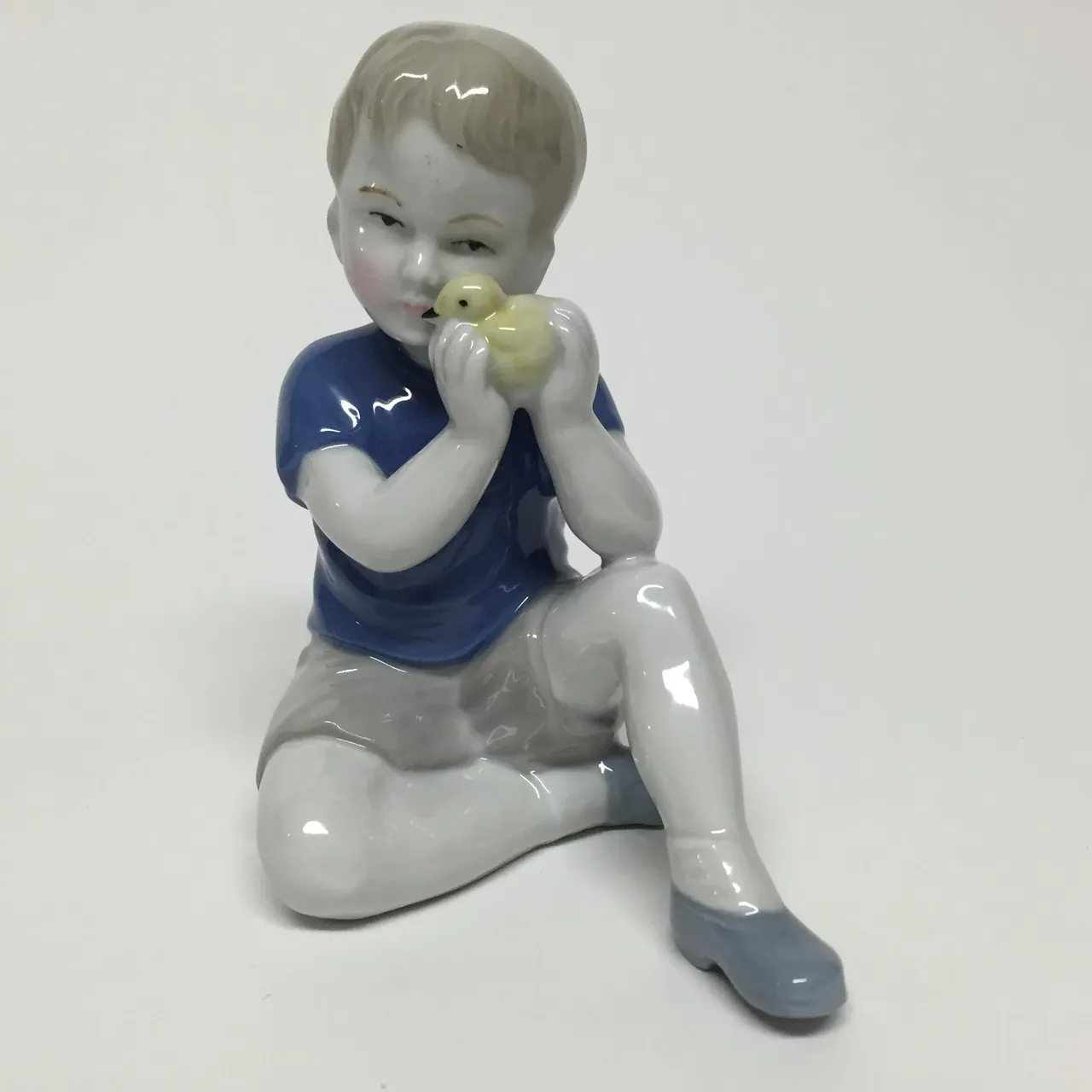
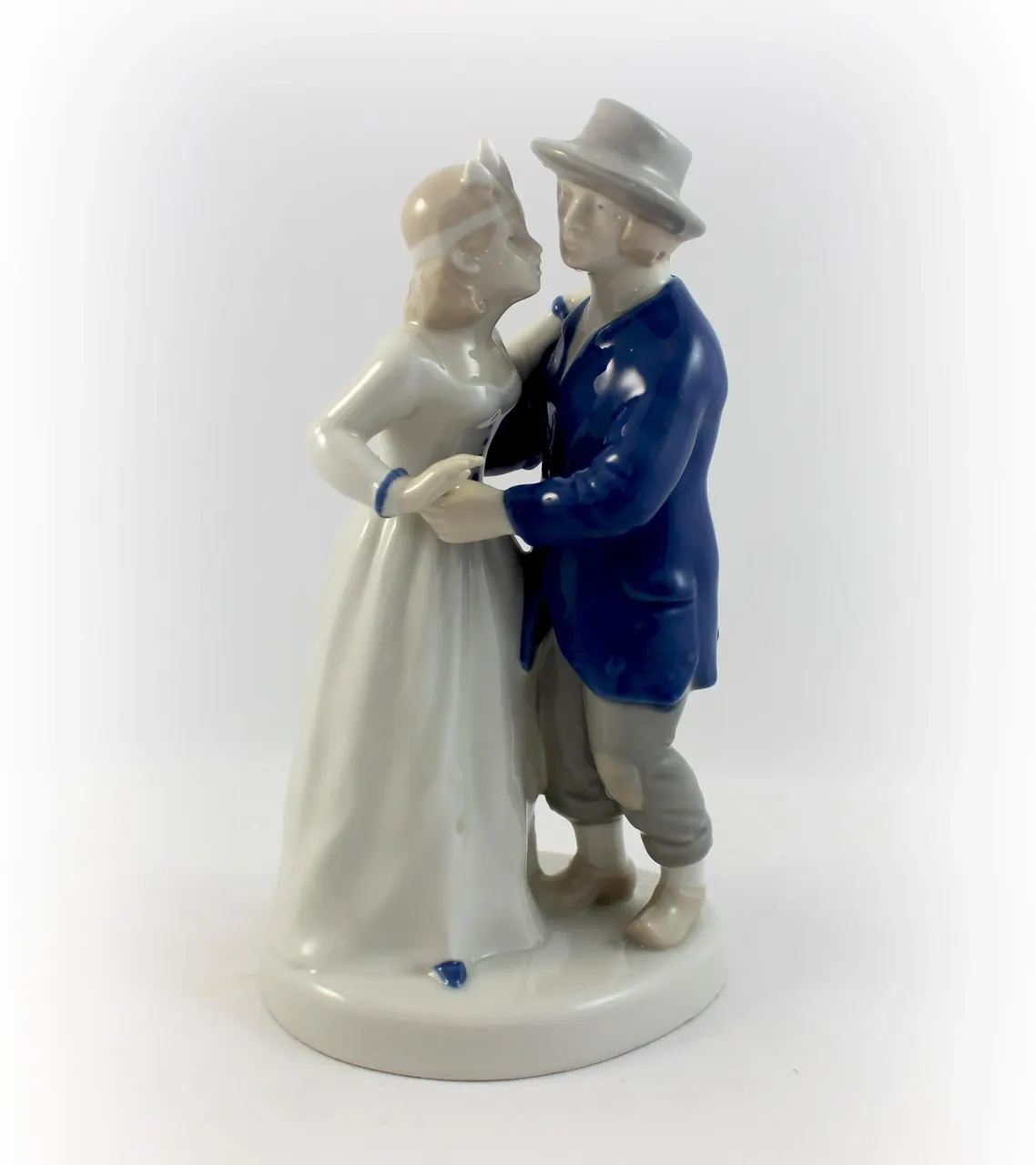
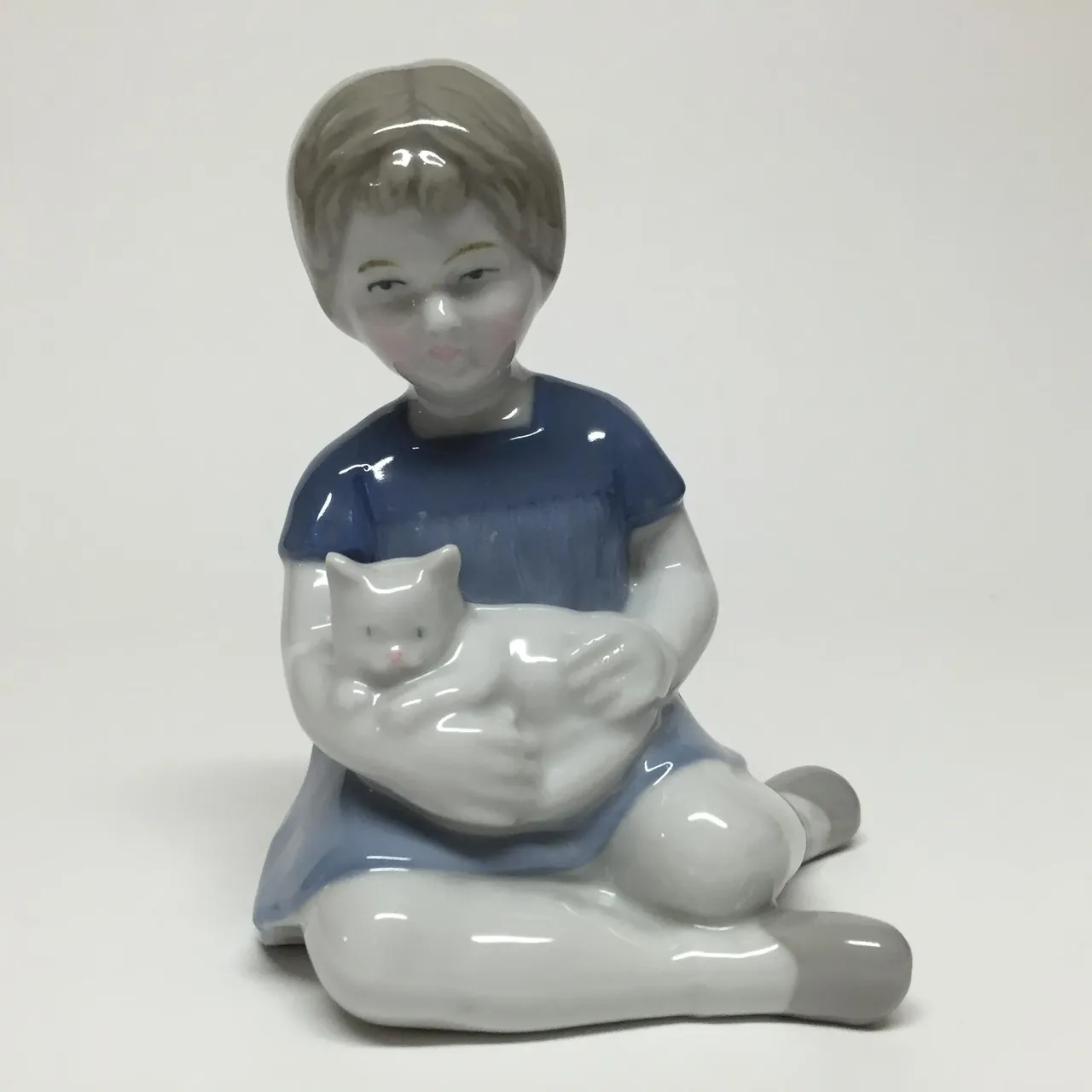
The Porcelain and Ceramic Brands of Lippelsdorf After the reunification of Germany, descendants of Bernhard Wagner, Ingeborg Seibert, and Helga Koch initiated the privatization of the company. On July 1, 1990, the company returned to family ownership with Ingeborg Seibert and Helga Koch as partners and Hans-Henrik Seibert as the manager. The factory was in need of major repairs, and with the support of the regional office for historical buildings and monuments, all parts of the factory were carefully restored. At the same time, a museum was created, which not only showcased various stages of processing in an authentic setting but also included a multi-storey coal oven, a wheel mill, and an original steam engine from 1937. The work was completed shortly before the 125th anniversary in 2002, and the love and efforts invested in it by the family were so impressive that the Seibert family was awarded the "Thuringian Monument Conservation Prize" in 2005. As for products, the main focus was on decorative porcelain, such as Christmas decorations and gifts, but based on old forms, the company began to reintroduce wonderful figures that were previously used in Wagner & Apel. In 1877, a porcelain factory called "Kuch & Co" was founded in Lippelsdorf. The entry in the local property register stated: "An oven was built on the city field." One of the founders was Bernhard Wagner. From May 31, 1901, owner Bernhard Wagner, as well as Anton and Bernhard Apel, worked under the name "Wagner & Apel." Thanks to them, Lippelsdorf porcelain made a name for itself worldwide. Initially, the main focus in production was on pipe bowls, mugs, egg stands, figurines of bathing children, and other small export items, but in 1901, the production was changed to trinkets, animals, and gift items. Over the years,And the collection expanded thanks to small commercial items such as jars, ashtrays, salt and pepper shakers, pin cushions, small containers for spices, etc. Thus, the factory continued from generation to generation. Like all medium-sized enterprises in communist East Germany, Wagner & Apel was made a special company by state order. In 1972, the company was completely nationalized and formed under the name "Porcelain statuettes Lippelsdorf Lippelsdorf". Four years later, all porcelain factories in this area were merged into "VEB Vereinigte Zierporzellanwerke Lichte" [United factory for the production of animal porcelain Lichte VEB]. Then Lippelsdorf was transferred to its own production department in Gräfenthal. State company. As a result, the company lost all its independence and the right to make its own decisions. After political changes, the descendants of Bernhard Wagner, Ingeborg Zeibert and Helga Koh demanded the reprivatization of the factory, which then passed into private ownership on July 1, 1990. The current shareholders of GmbH (limited liability company) are Ingeborg Zeibert and Helga Koh, with Hans-Henrik Zeibert as CEO.