Porcelain, earthenware, ceramics
Gardner F.J. manufacturing
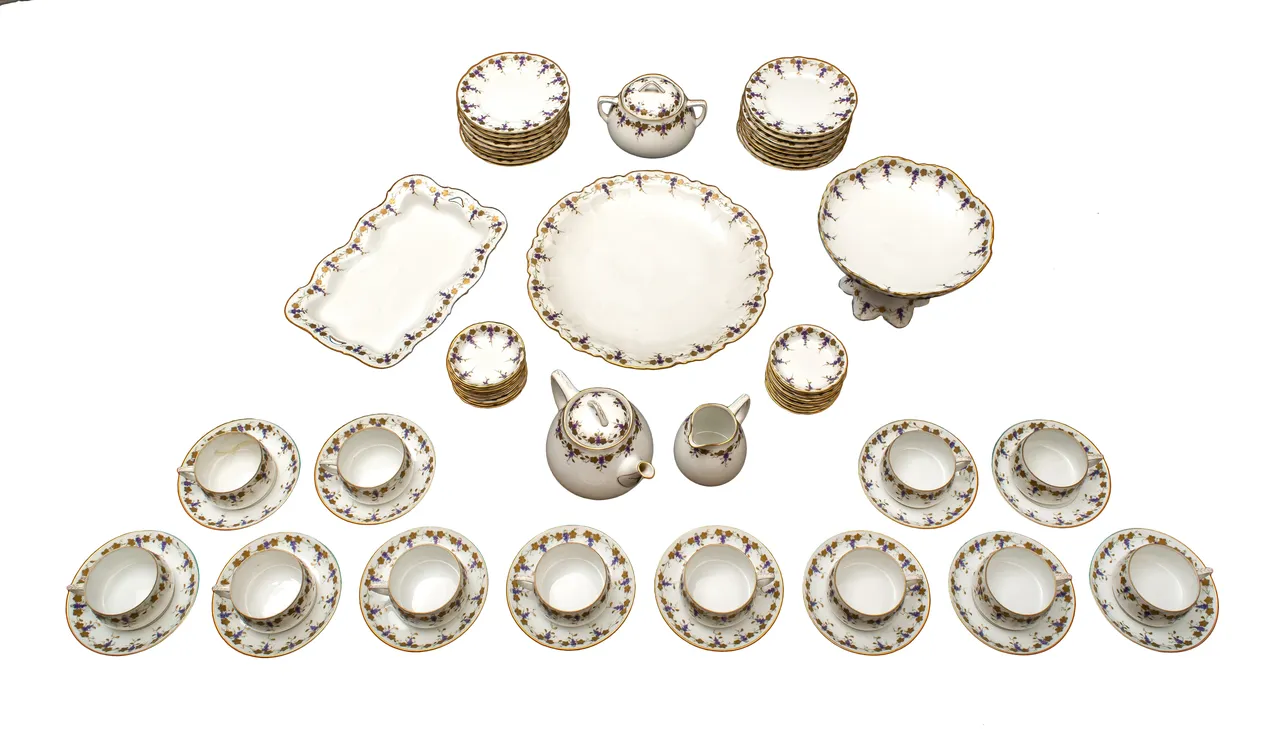
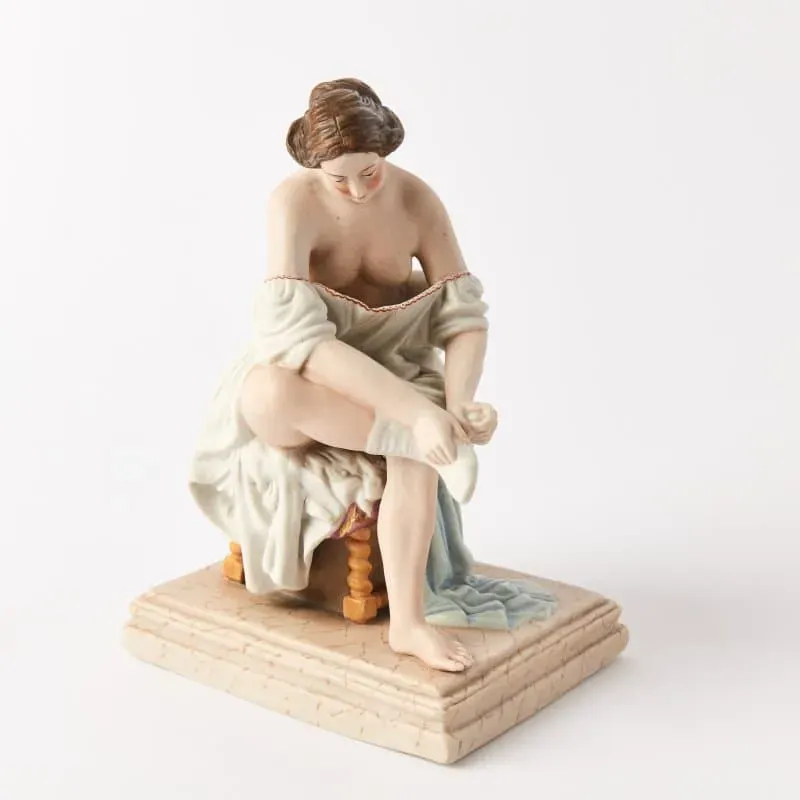
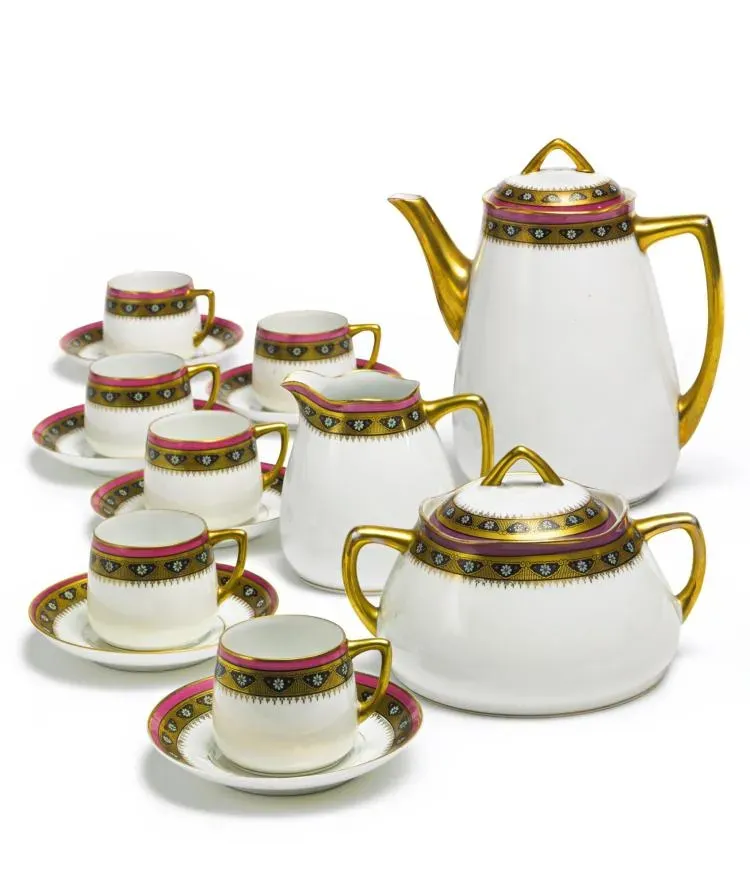
When Franz Gardner died, his creation was considered the best private porcelain factory in Russia. The business was continued by his heirs, particularly the factory was passed on to his eldest son Franz Franzovich, who outlived his father for a short time. Then it passed to Gardner's wife, Sarra Aleksandrovna, who was unable to manage the inheritance properly. At the beginning of the 19th century, the factory was taken over by her sons, Alexander Franzovich and Peter Franzovich, who managed to revive production.
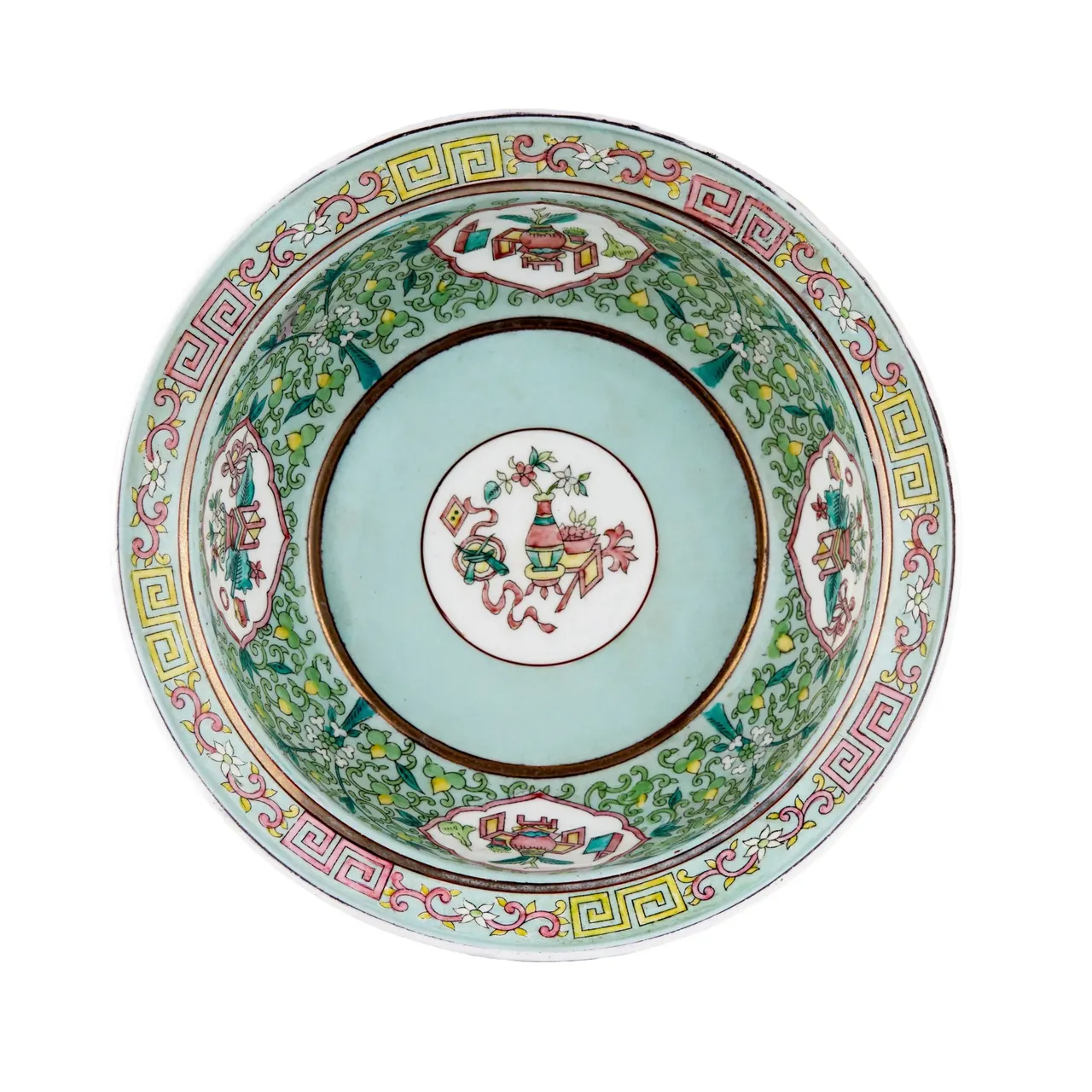
In 1833, the factory began producing faience tableware, and in the 1840s - opak (the highest grade of faience). Gardner porcelain became the benchmark for other private Russian factories.
In 1829, on the First Industrial Exhibition, the factory was awarded a gold medal, and in 1855, the emperor expressed special gratitude and the honorary right to place the image of the now state double-headed eagle on the products. In the Russian Empire, this was the equivalent of a quality mark. The right to use the State coat of arms of Russia on products from "Manufacturers Gardner" was confirmed in 1865, 1872, 1882, and 1896. Since 1856, the "Manufacturers Gardner" factory has held the title of "Supplier to the Court of His Imperial Majesty".
In the mid-1850s, the factory was passed on to Vladimir Petrovich and Alexander Petrovich, the grandsons of Franz Gardner. Then, by the end of the 19th century, the owner became the wife of the third brother, Pavel Petrovich, Elizaveta Nikolaevna Gardner, who eventually sold the factory.
However, in the second half of the 19th century, the artistic level of the factory's products declined. There was an excess of standardized painting techniques, the introduction of transfer pictures (decals) with reproductions of salon paintings, and thCommercial success leads to the decline of plastic and decorative culture. Some originality is preserved only in "Eastern" (for Central Asia) and "tavern" dishes with bright festive painting and individual exhibition products, made according to the sketches of artists. Among other possible reasons: the worsening of relations with Britain after the Crimean War (during this period, arrests were imposed on the property of "British subjects") and the inability of the Gardner heirs to "adapt" to the specifics of the domestic business. In the mid-1880s, the factory with 777 workers produced porcelain products worth 208 thousand rubles.