Porcelain, earthenware, ceramics
Augarten Wien
Porcelain Factory
The Augarten Porcelain Manufactory (Porzellanmanufaktur Augarten) was the first porcelain manufactory in the Habsburg Empire, located in the suburbs of Vienna. The Viennese porcelain manufactory, founded in 1718, is the second oldest manufactory in Europe, after Meissen. Today, as in the past, porcelain is handmade and hand-painted. Thanks to this, each piece becomes a unique work of art.
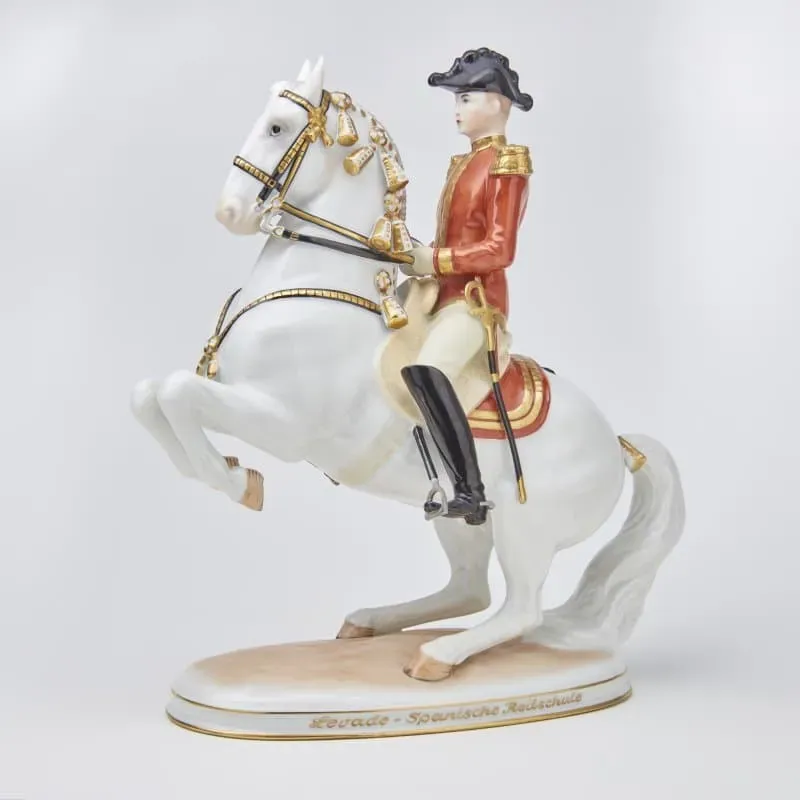
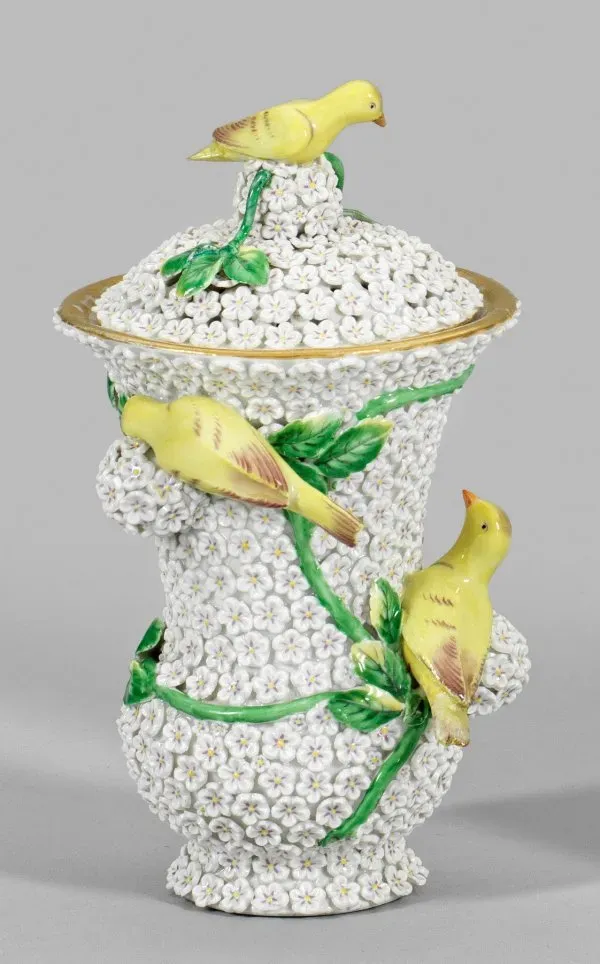
Since the founding of the Augarten factory, the design of porcelain products has been created in collaboration with renowned artists. Artists of all eras have created true masterpieces - over 25,000 items demonstrate a wide range of creative styles, from Baroque to Art Nouveau.
The history of Viennese porcelain began in 1718, when, just eight years after "white gold" was invented by Johann Friedrich Böttger in 1709, the Viennese Porcelain Manufactory was opened. Since then, the Viennese Porcelain Manufactory has gained worldwide recognition.
On May 25, 1718, Emperor Charles VI signed a decree granting "special privileges" to Claudius Innocentius du Paquier and the exclusive right to produce porcelain in the lands of the Austrian Crown. Porcelain for the Imperial Court was produced in the area now known as Porzellangasse. In our time, this period of porcelain production in the late Baroque style is called the "du Paquier Period".
During the Rococo period, Empress Maria Theresa made the manufactory the property of the Empire. Porcelain from the "Imperial State Manufactory Vienna" was marked with the bordered shield and the Babenberg heraldry. In this period, famous genre scenes in the style of Rococo "after Watteau" were created - today they are highly valued among collectors.
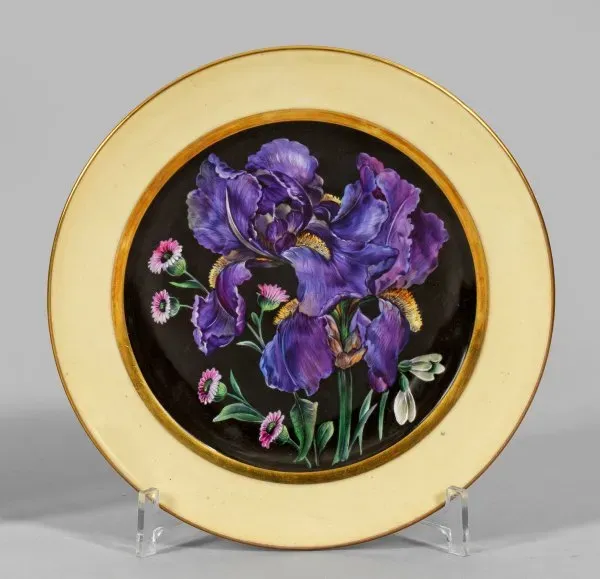
Under the leadership of Conrad Sorgel von Sorgenthal, the Viennese Porcelain Manufactory became known beyond Austria.and its neoclassical-style porcelain. Unique relief decorations of porcelain with gilding and the quality of painting, which remain unrivaled to this day, were gifted by this period. The war with France brought the Viennese Porcelain Manufactory to the brink of bankruptcy, and the Congress of Vienna in the early 19th century gave a boost to the development of Viennese porcelain production. Many famous people of that time, including Emperor Alexander I of Russia and the King of Prussia, visited the Viennese Porcelain Manufactory. Viennese porcelain became an expensive and gratefully accepted gift. The emerging middle class of the era also appreciated the purity of the lines of Viennese porcelain. Charming, almost miniature bouquets and scattered floral patterns on the white surface of Viennese porcelain, often combined with simply decorated edges of the porcelain item, immortalized this period in its most delightful forms. One of the most popular porcelain services in the form of Schubert was created here. As a result of industrialization and rapidly growing competition (especially from Bohemian factories that mastered mass production), in 1864 the imperial court deemed it necessary to close the Viennese Porcelain Manufactory and transfer it to museum management. When the modern Augarten Palace reopened in 1923, Viennese porcelain reached new heights - now in the Viennese Art Deco style.