Porcelain, earthenware, ceramics
Fraureuth
After the death of Bruno Fedish in 1885, Fedish's widow and Remer transformed the factory into a joint-stock company in 1891. Work at the factory was piecework and was difficult. Constant alternation of heat and cold, drafts, water, dust, managing extensive transportation - uphill and downhill almost without technical means - strained people. Many porcelain manufacturers suffered from exhaustion, wasting disease, and tuberculosis, and many died young.
The factory had many social security facilities, such as a drawing school, cafeteria, savings bank, hospital, water supply, and fire department. There were also sharp disputes between the well-organized workers and the community. In 1911, for example, there was a 26-week strike for improved working and living conditions. In 1912/13, AG faced minor disturbances, which were compensated by technical reorganization. In 1913, businessman Felix Zinger acquired a package of shares from the main shareholder Kommerstädt. He did not receive recognition from Fraureuters.
The First World War did not bring financial losses to the factory. By 1916, sales surpassed the highest pre-war levels. At the 1916 Leipzig Autumn Fair, the company presented novelties in shape, color, and decor, which critics praised as "exquisitely beautiful." During the war, the Fraureuth company depicted emperors, kings, zeppelins, and submarines on vases and plates, but otherwise remained true to its principle: what they did was practical, simple, and beautiful. The company's principle was: porcelain should bring pleasure!
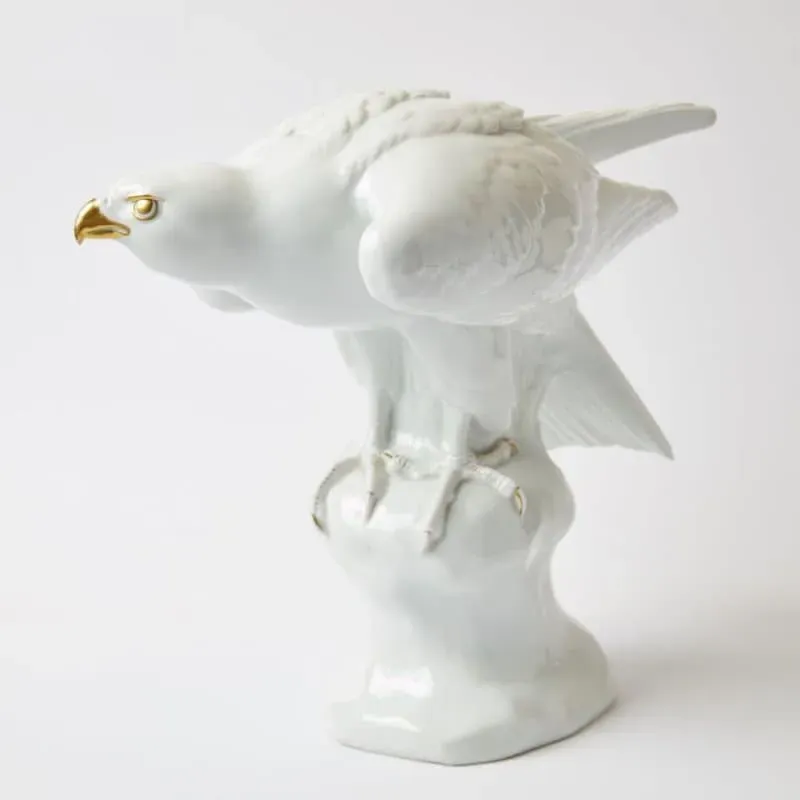
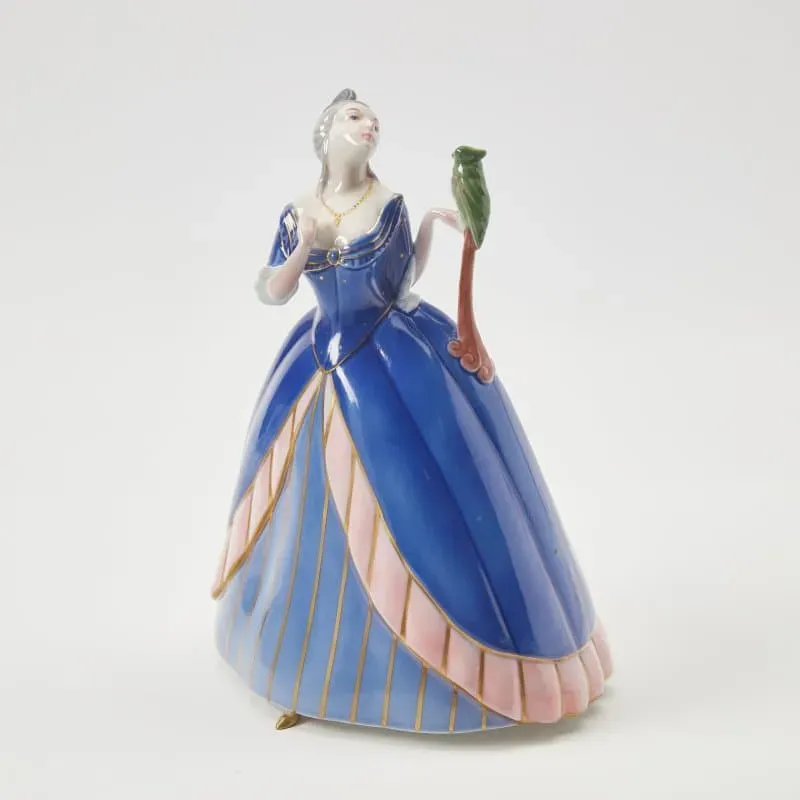
In the middle of 1919, Fraureuth acquired the Wallendorfer manufactory in the Thuringian Forest, known for its coffee and tea sets in the Meissen style and figurative sculptures. Painting in Lichte was attached to Wallendorf. This meant division of labor: since then, Fraureuth mainly produced a wide range of everyday and elite tableware at all price ranges.The category. The company's foundation was export, mainly to the USA. National and international shipping lines were also preferred clients.
Inflation had devastating consequences for the company. At this time of total currency devaluation, Fraureuth products were too expensive for the domestic market due to their very good quality. The important domestic business was cut off because only cheap mass-produced goods of low quality could be sold. Money could only be earned abroad. After 1922, an additional 25 million marks went into housing construction and 50 million marks into a new porcelain factory (opened in February 1923), but after a year, things started to decline. The company was drowning in debt. Creditors held onto the money, larger orders had to be rejected. In 1925, Fraureuth shut down tunnel kilns. On September 30, 1925, CEO Zinger left the board of directors. On January 31, 1926, bankruptcy was announced.