Porcelain, earthenware, ceramics
Royal Doulton (Royal Doulton)

Porcelain Factory
The Royal Doulton manufactory has a long and distinguished lineage, dating back to 1815.
It was then that John Doulton (1793–1873) decided to invest in a small English pottery workshop. The business specialized in the production of utilitarian ceramic items (candlesticks for factories and plants, vessels, and bottles). A few years later, in 1835, John Doulton’s son, Henry (1820–1897), the second of eight children, joined the company. Henry was only 15 years old at the time! It was Henry Doulton who took the company to a new qualitative level and made it prosperous. In 1846, he established in Lambeth the world’s first factory for the production of ceramic drainpipes, pipelines, and related goods.
Since 1853, the manufactory was called Doulton & Co. And from 1872, the company’s brand featured a mark in the form of four interwoven “D” letters. The marking changed over time, but the four interwoven “D” letters were always present in the brand, right up until 2005, when the factories in England were closed, the land was sold off, and production was moved to Southeast Asian countries. The brand changed once again at that time, and the four “D” letter mark disappeared. Along with it disappeared the quality and soul of what was once an extraordinarily talented and prosperous manufactory.
Today’s Royal Doulton still operates on a large scale at facilities in Indonesia and Thailand, but their porcelain items no longer have collectible value and it is unlikely that this will change over time.
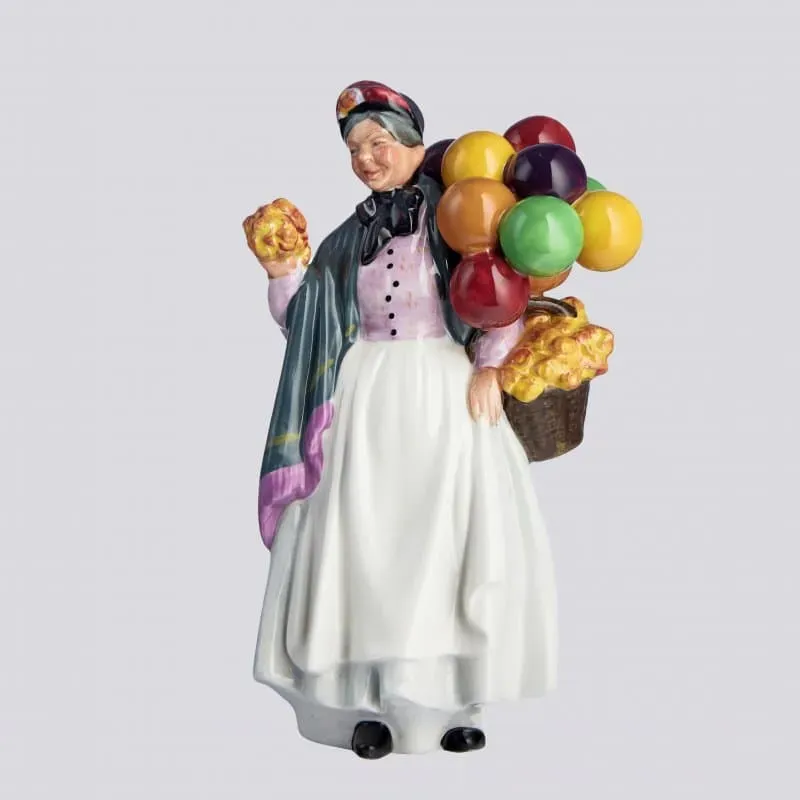
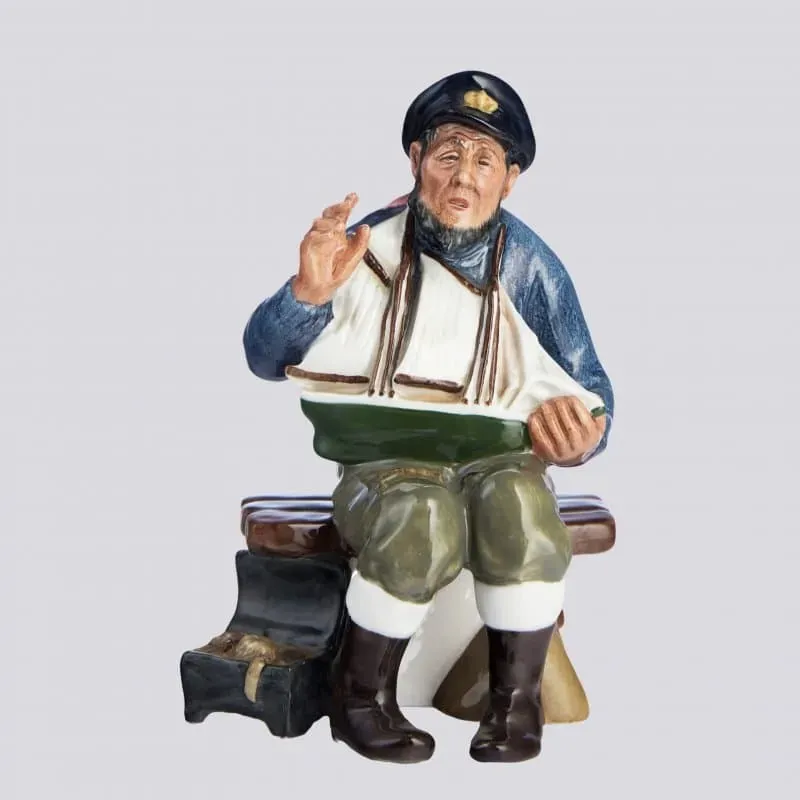
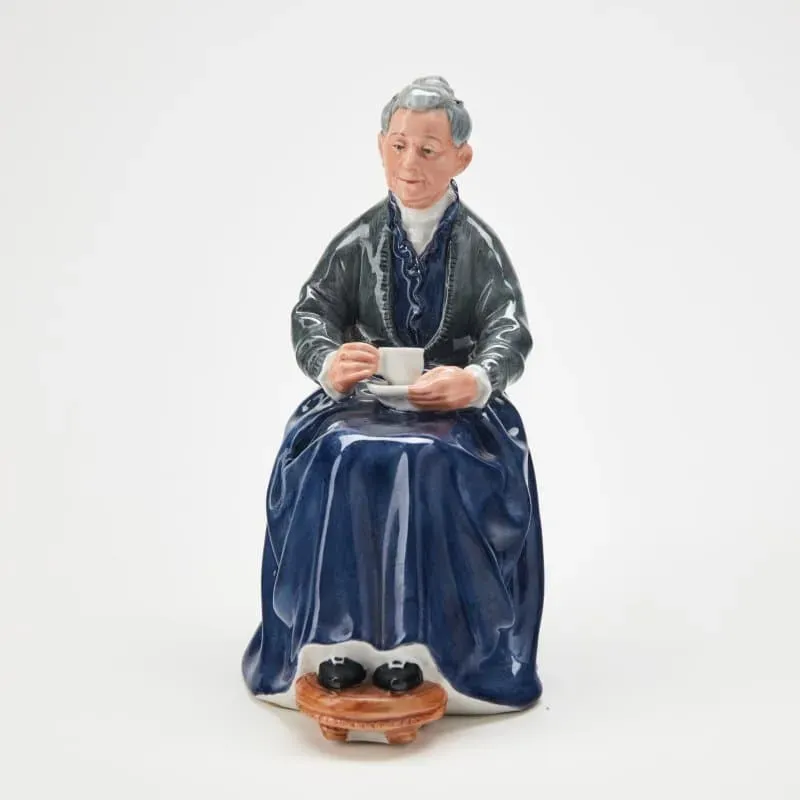
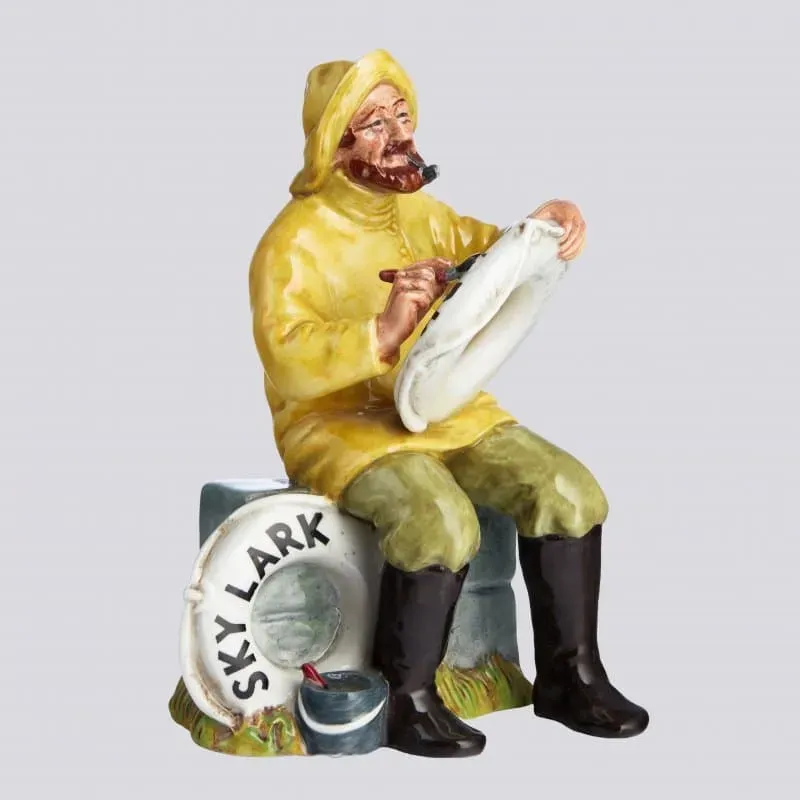
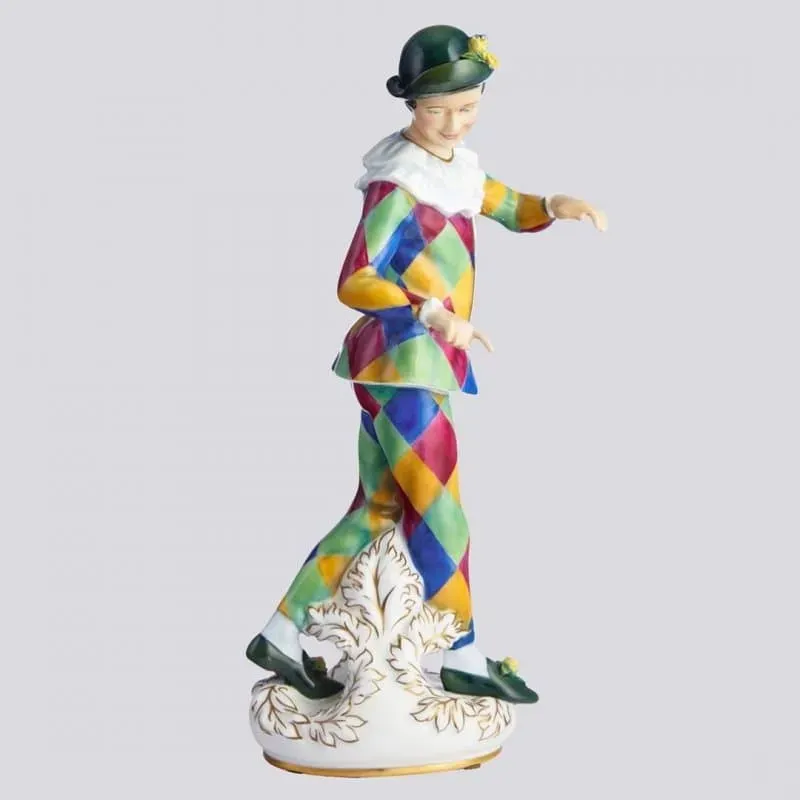
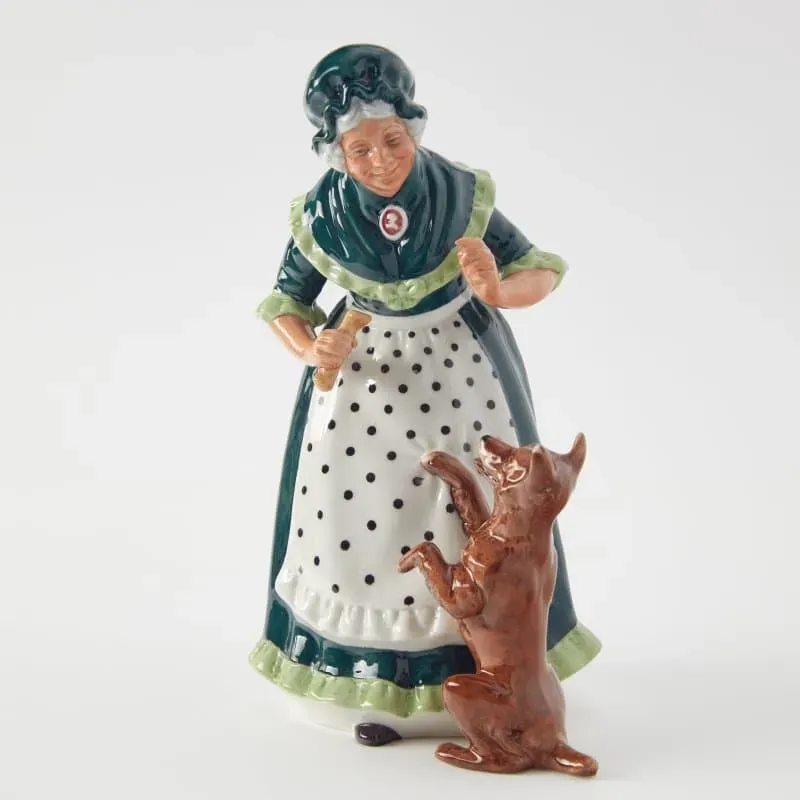
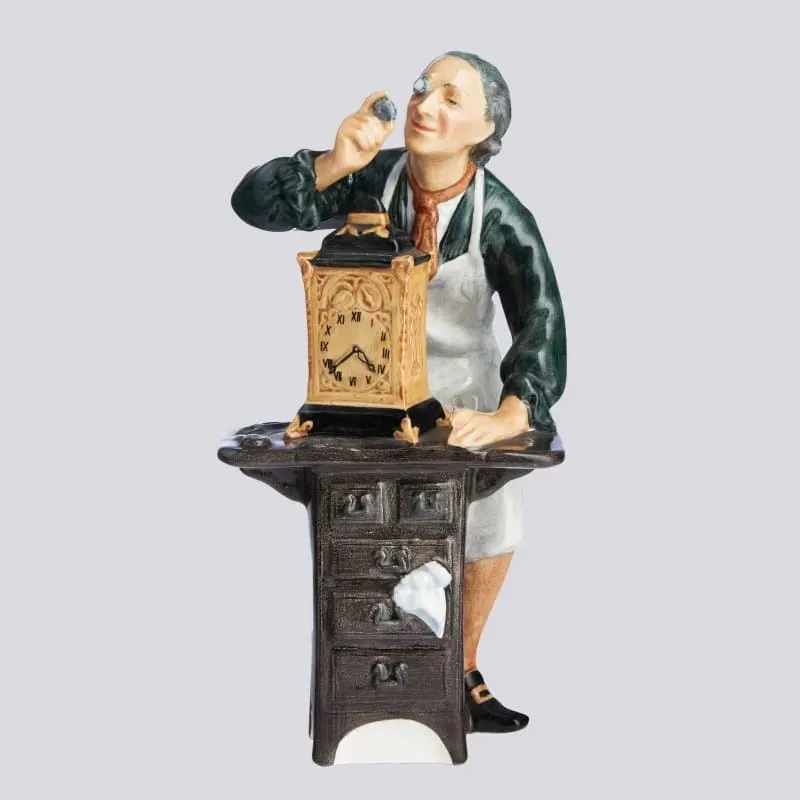
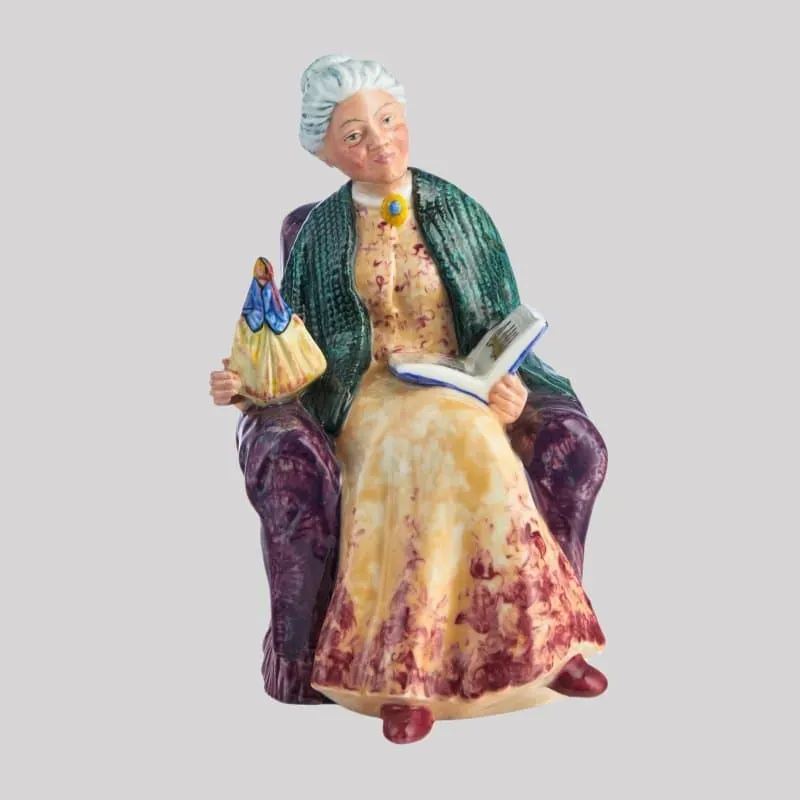
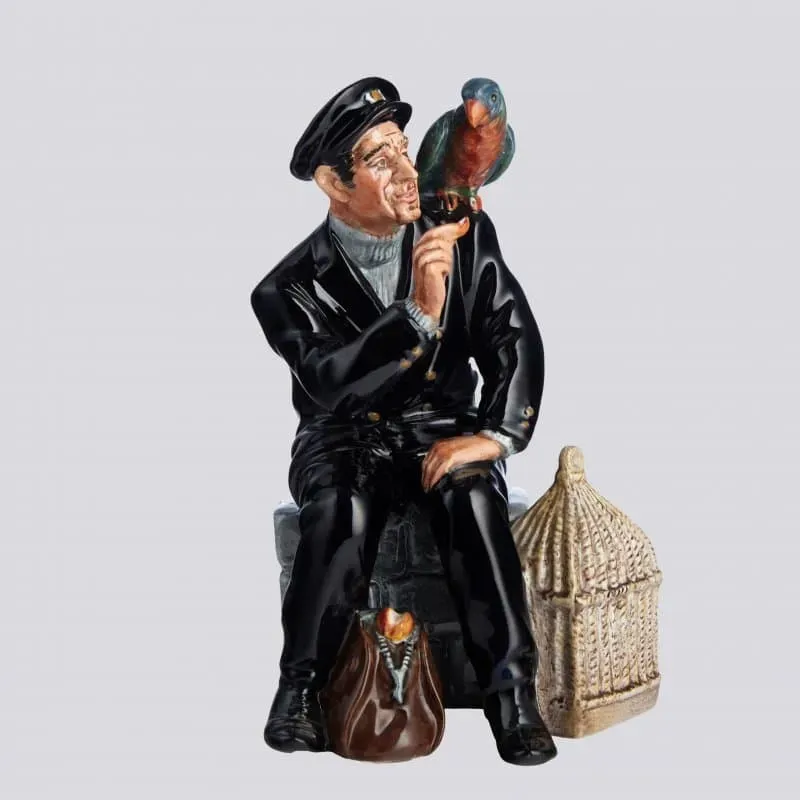
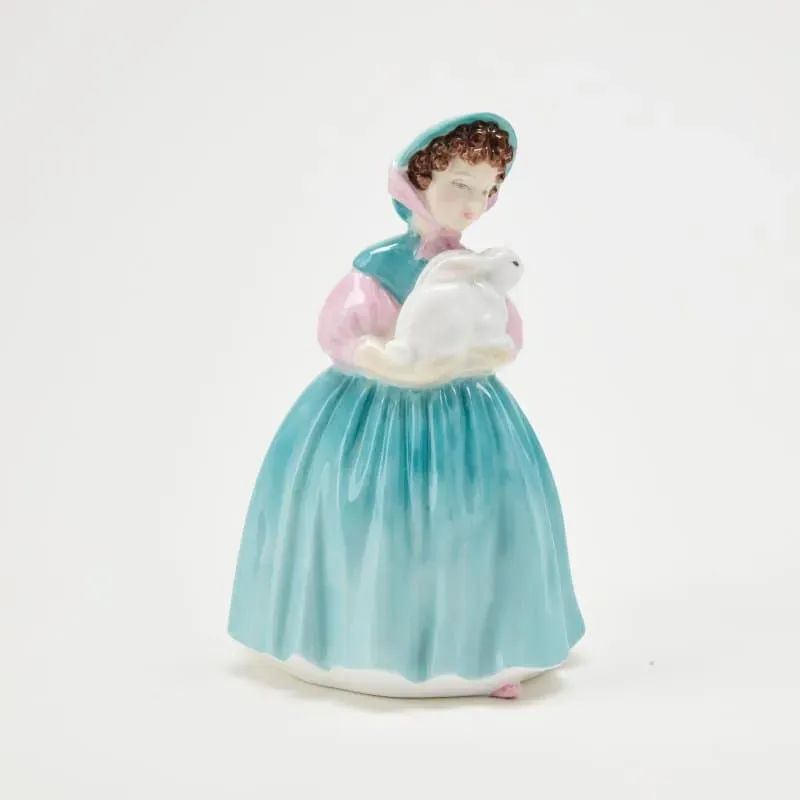
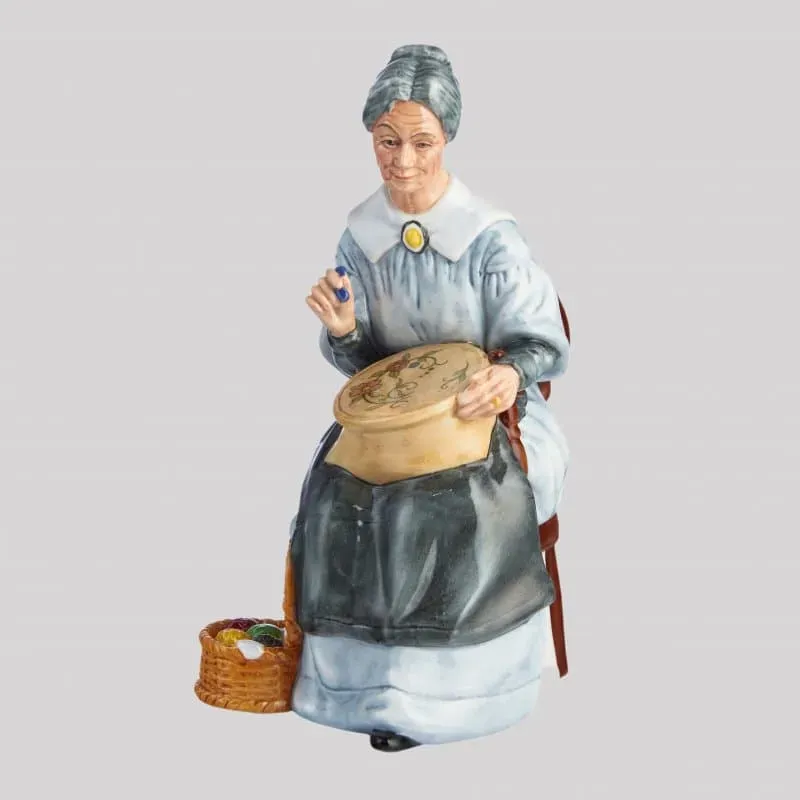
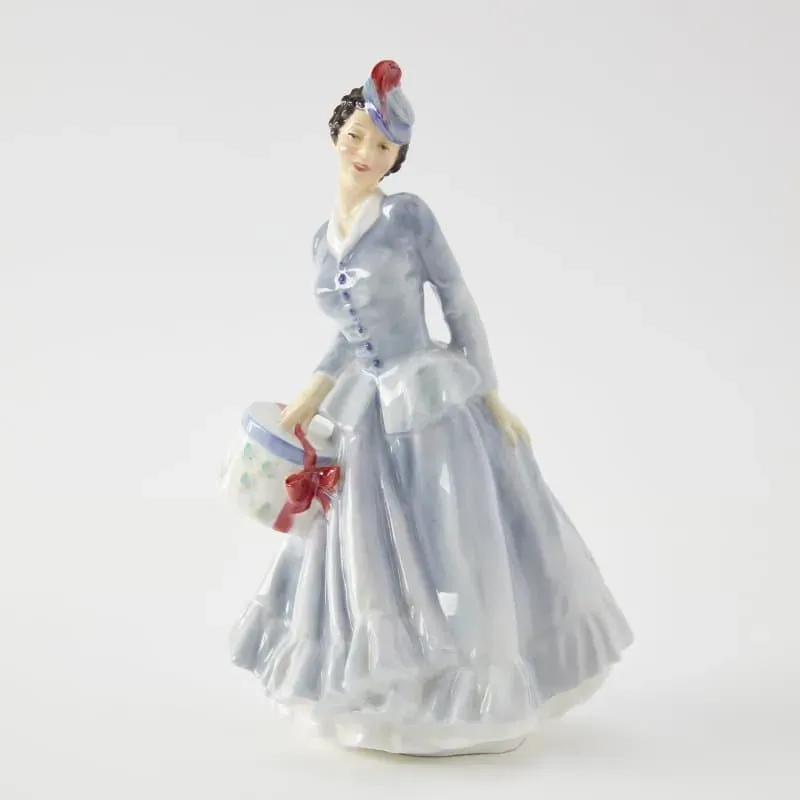
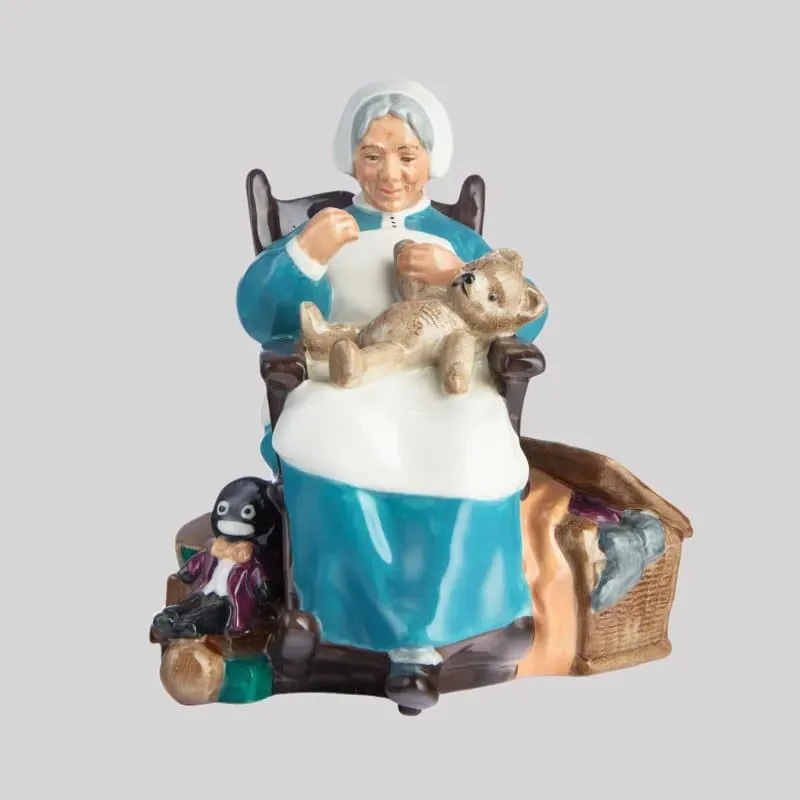
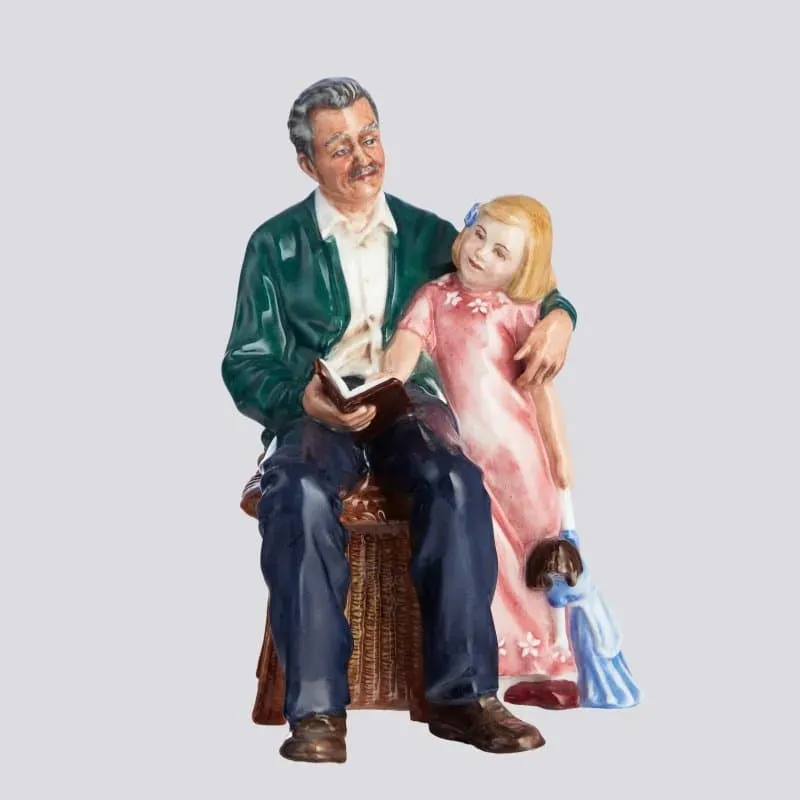
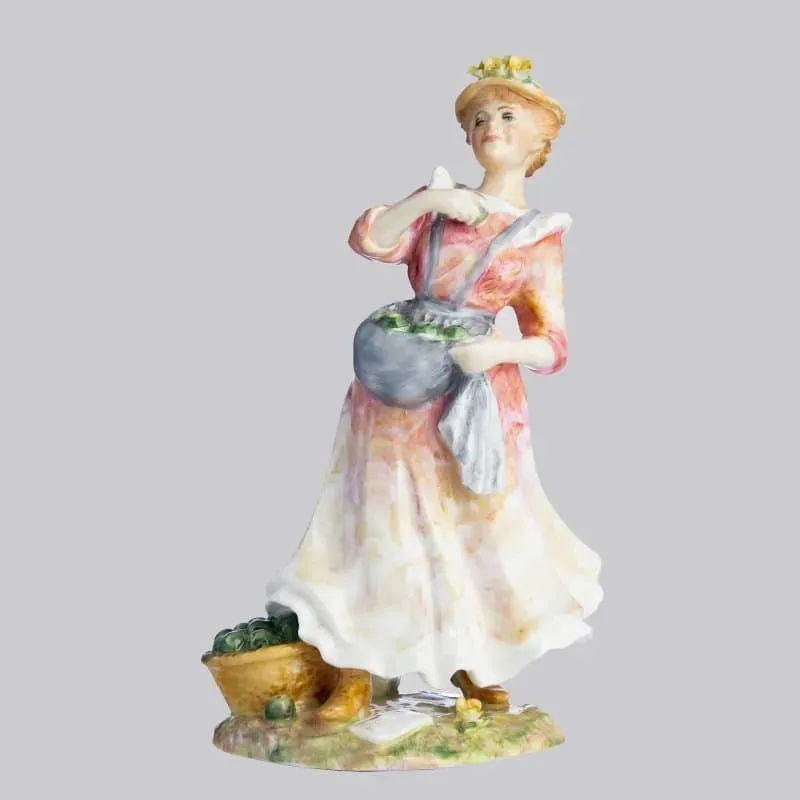
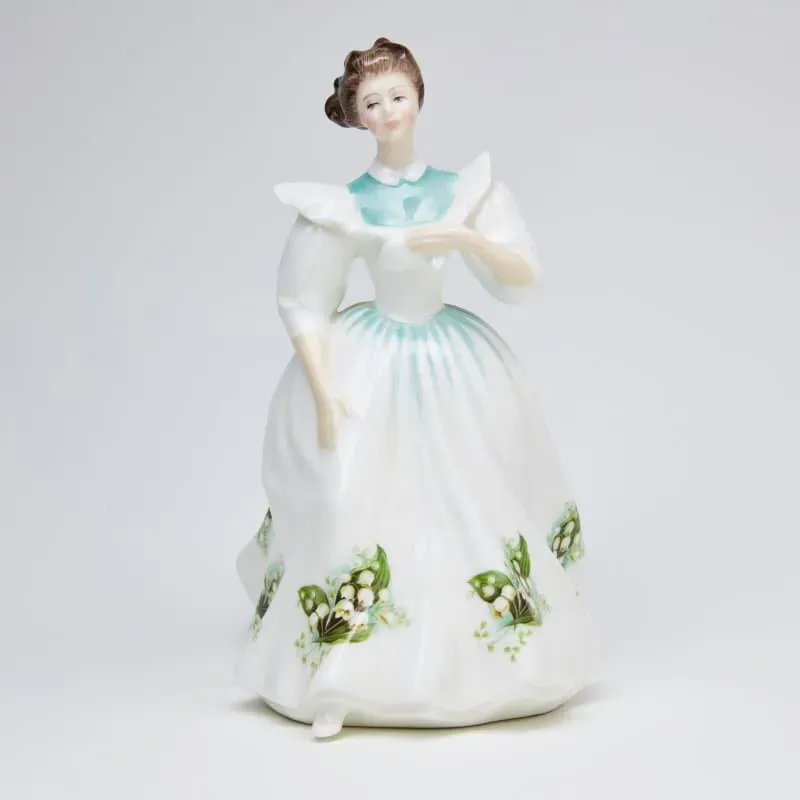
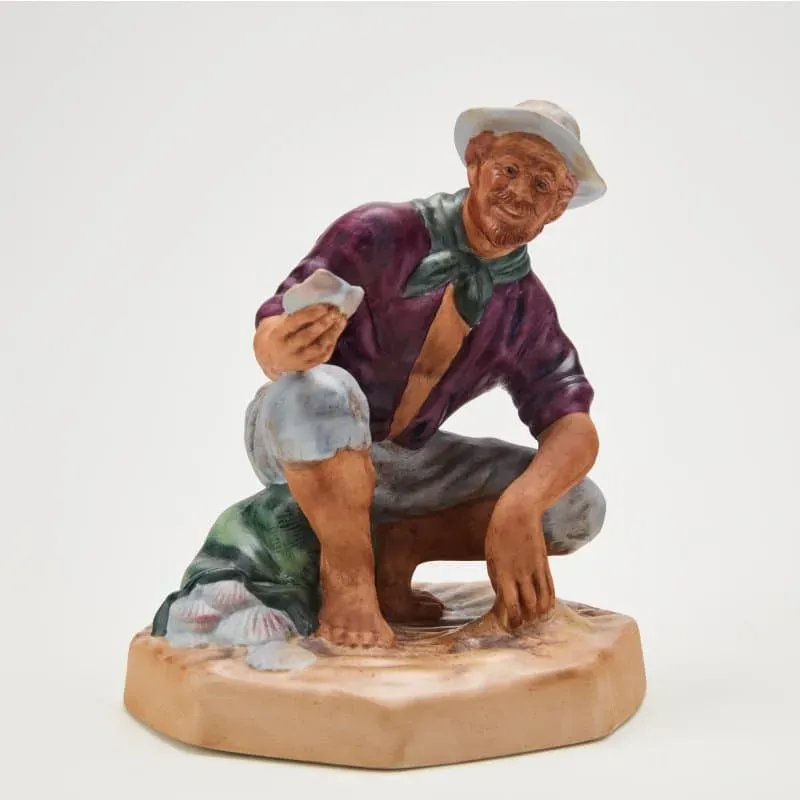
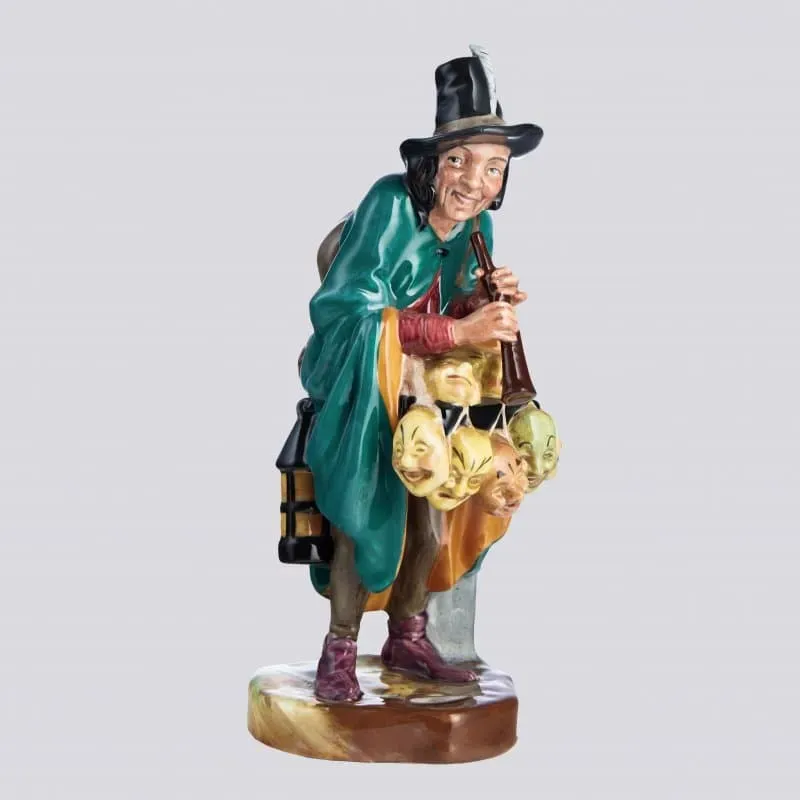
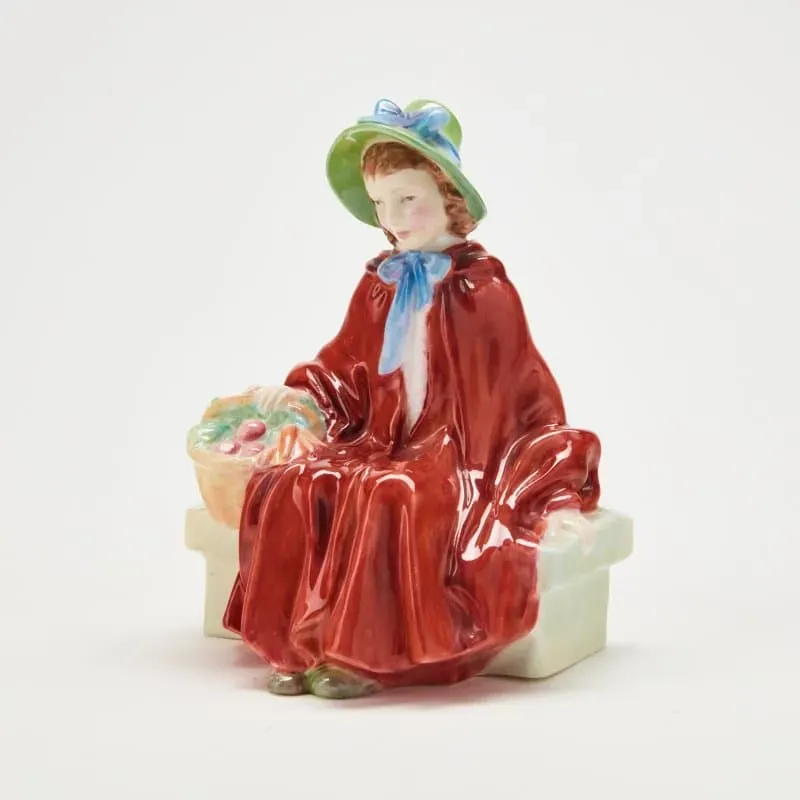
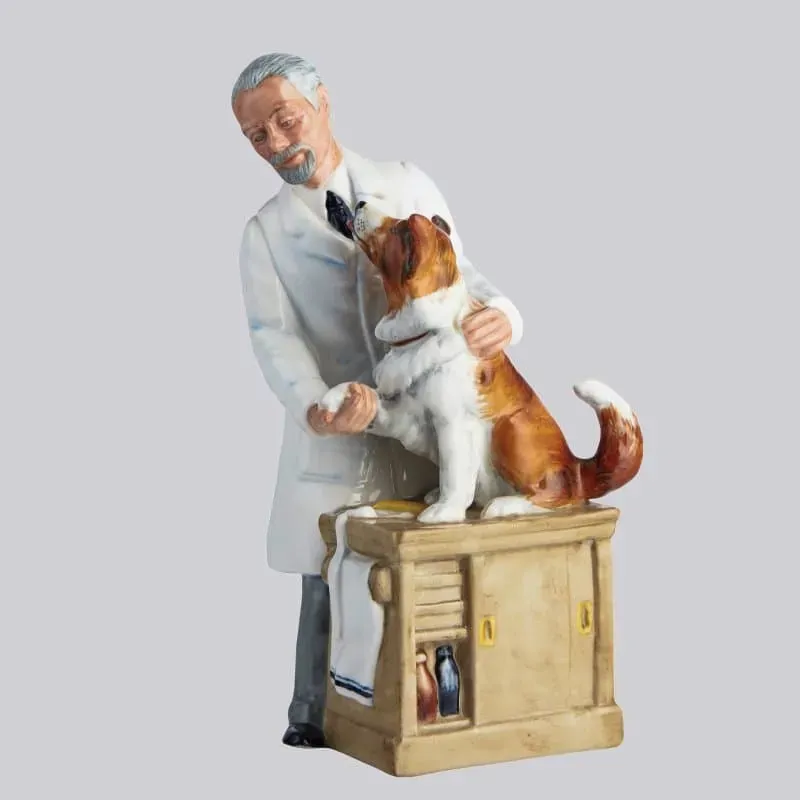
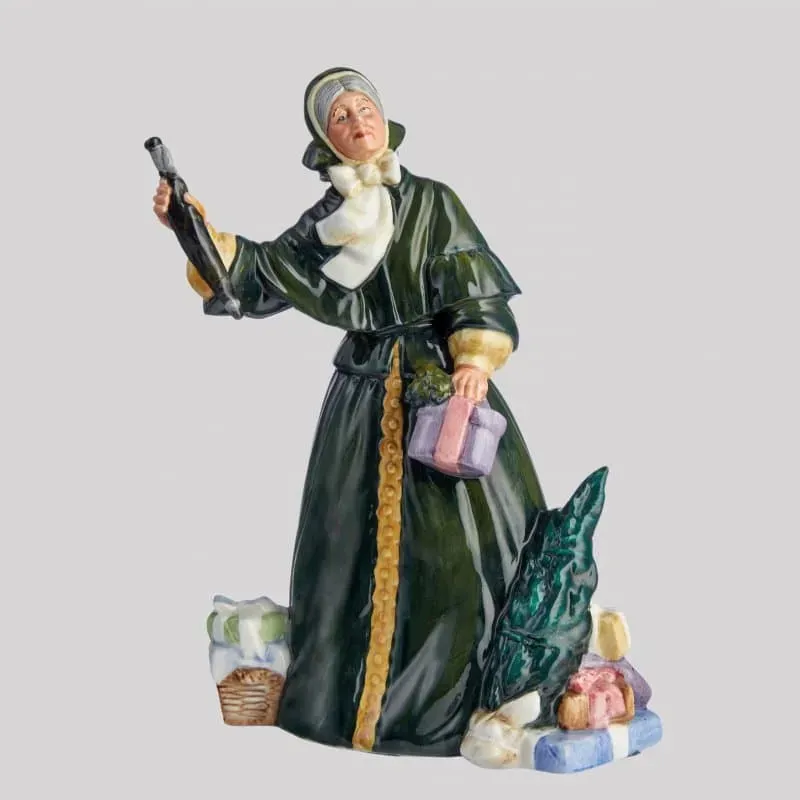
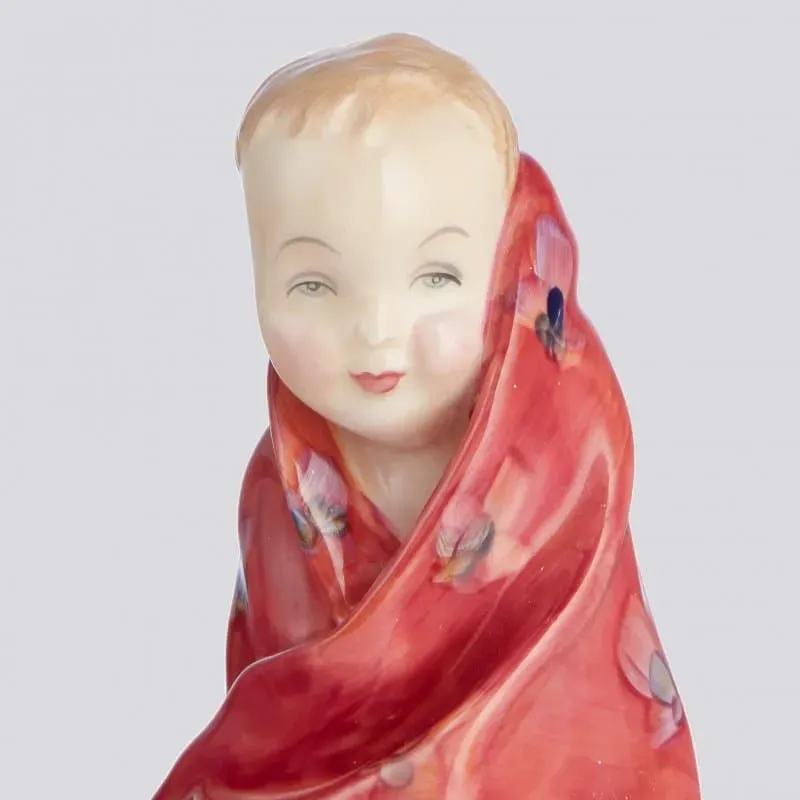
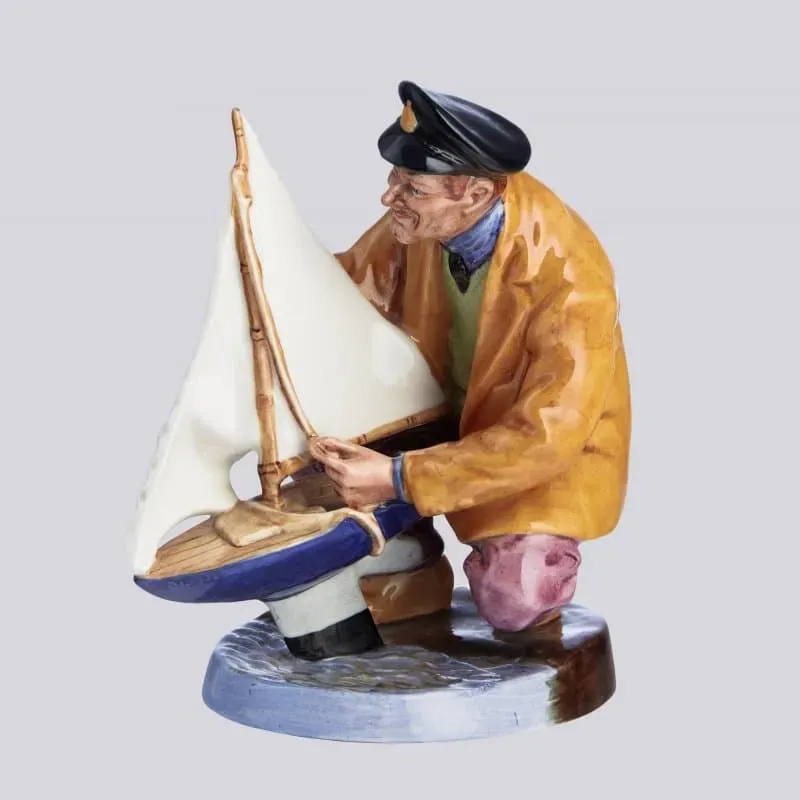
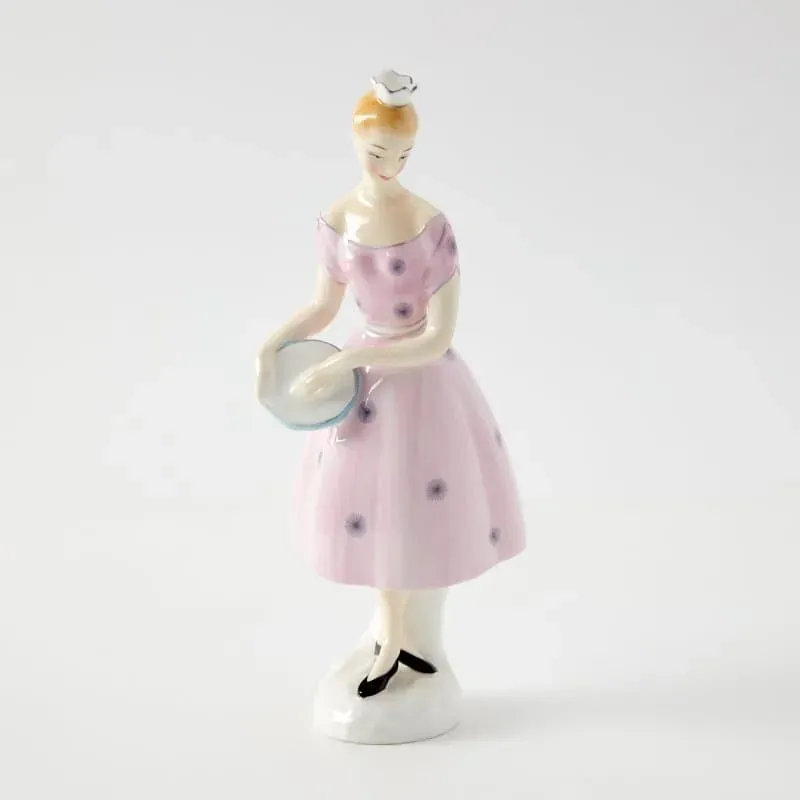
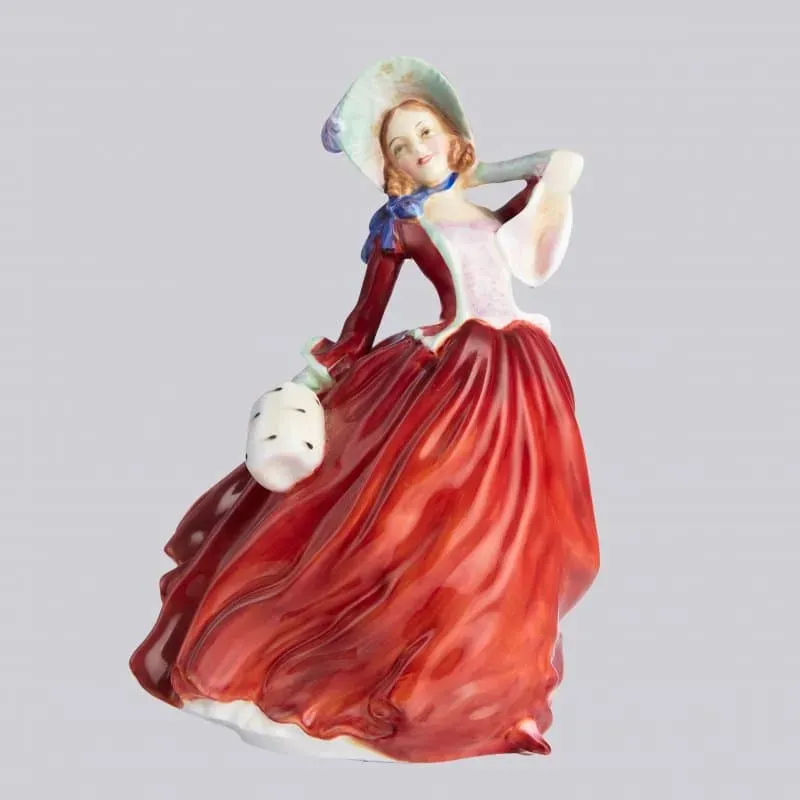
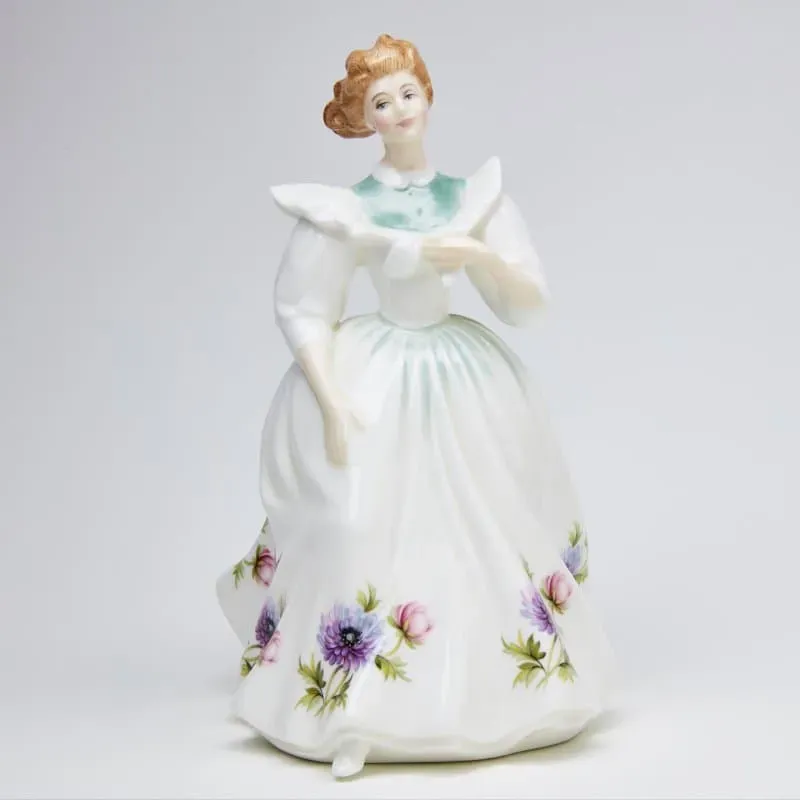
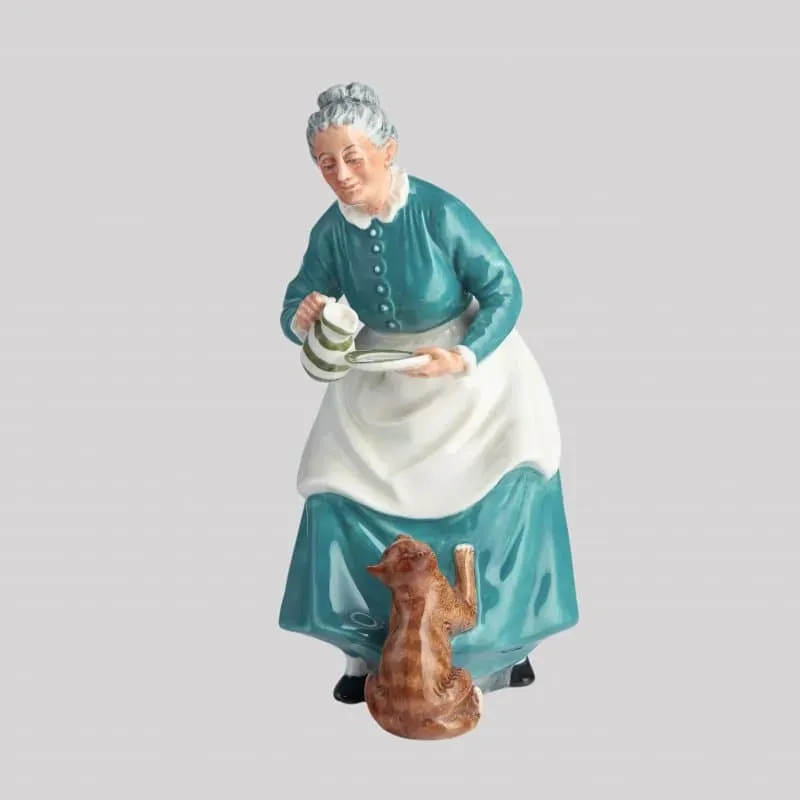
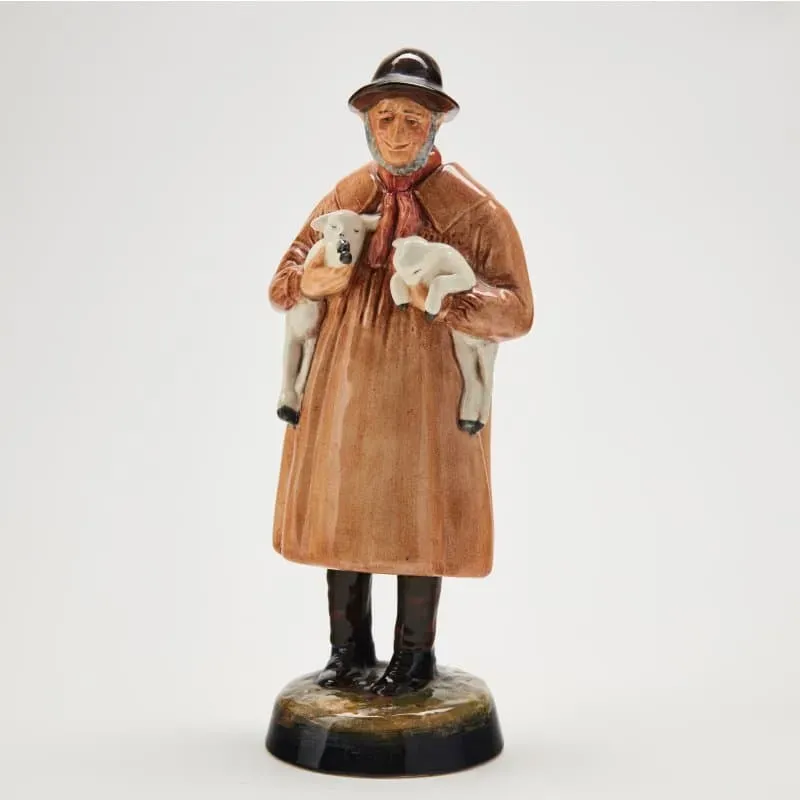
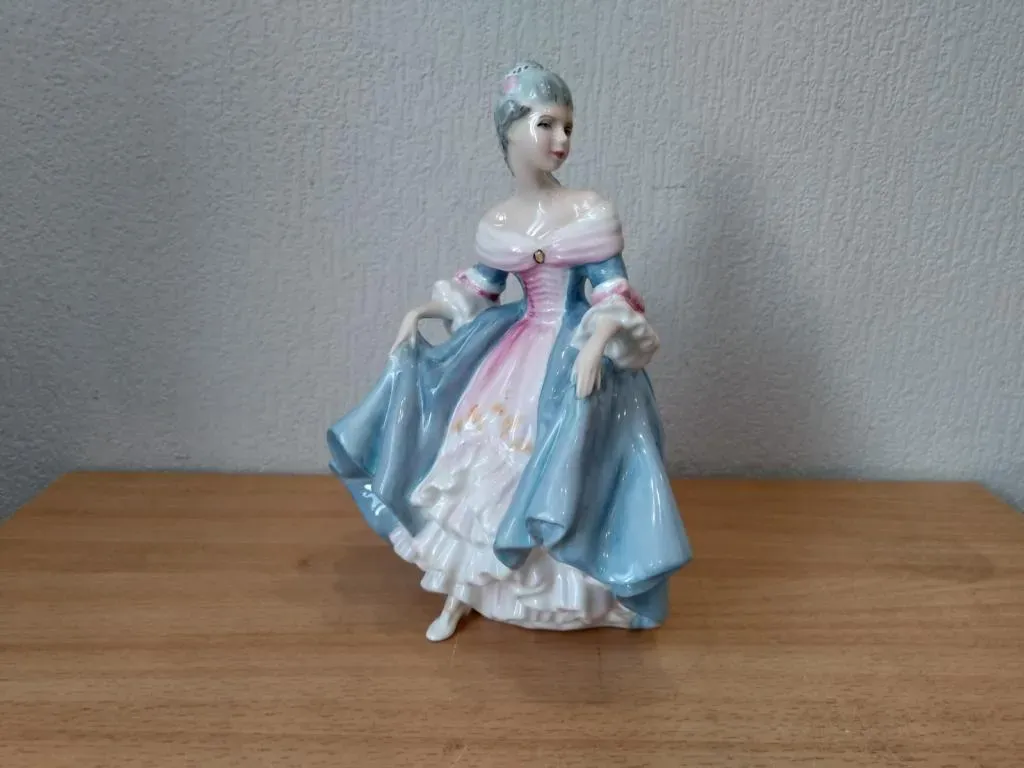
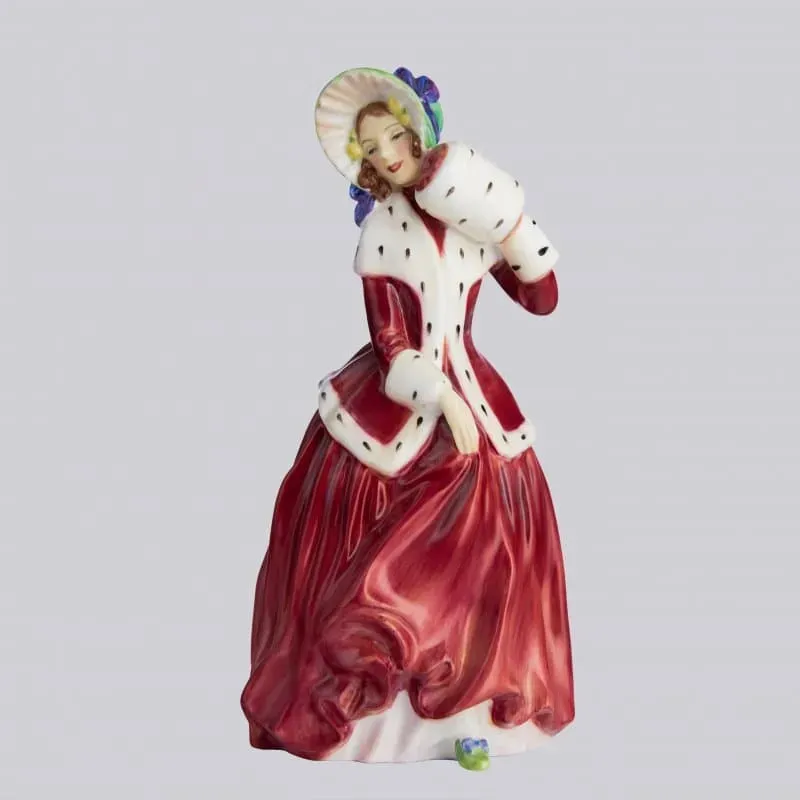
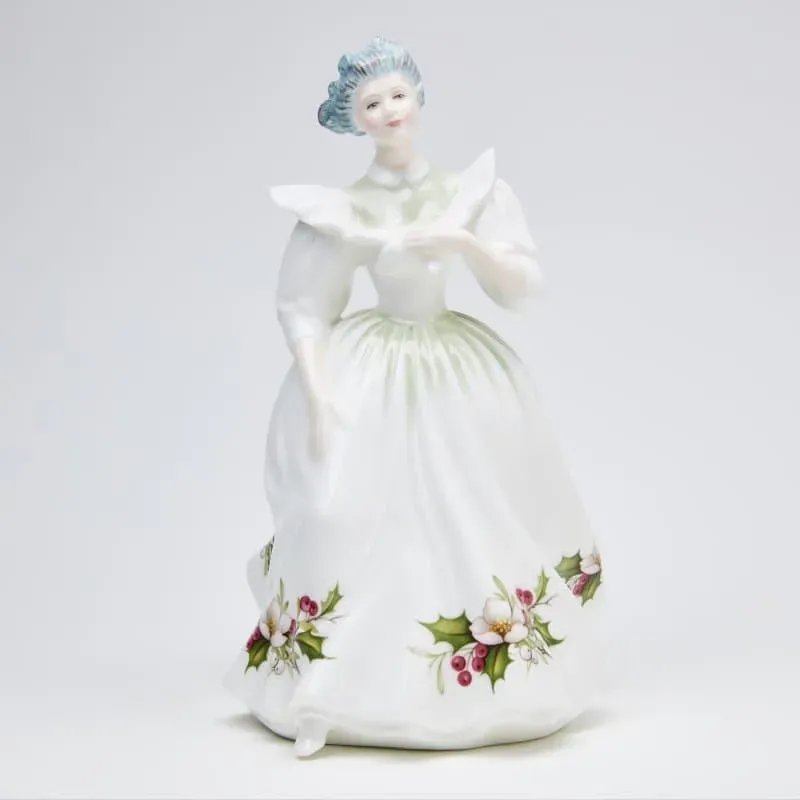
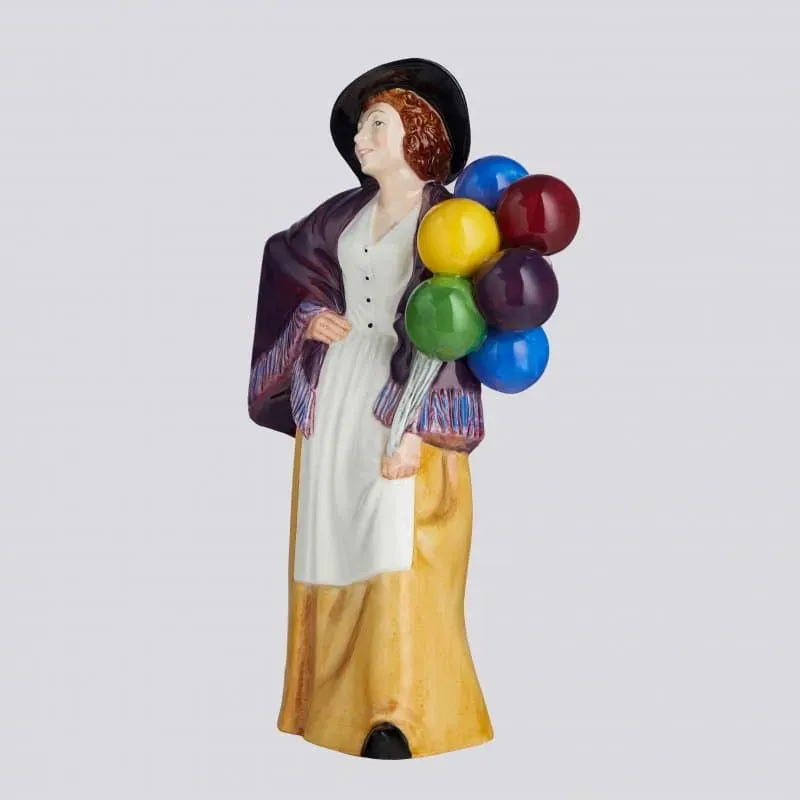
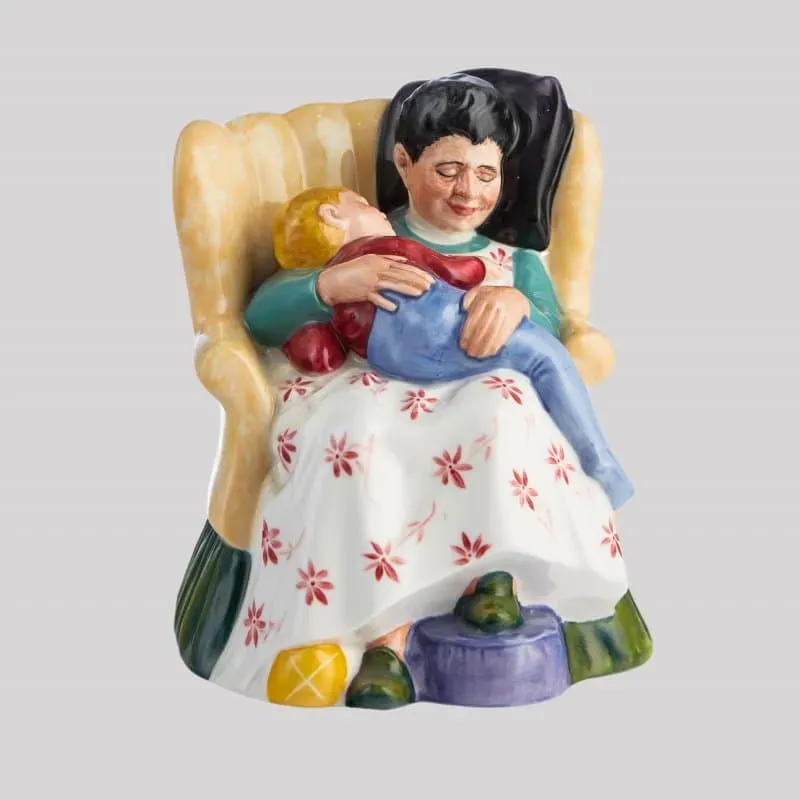
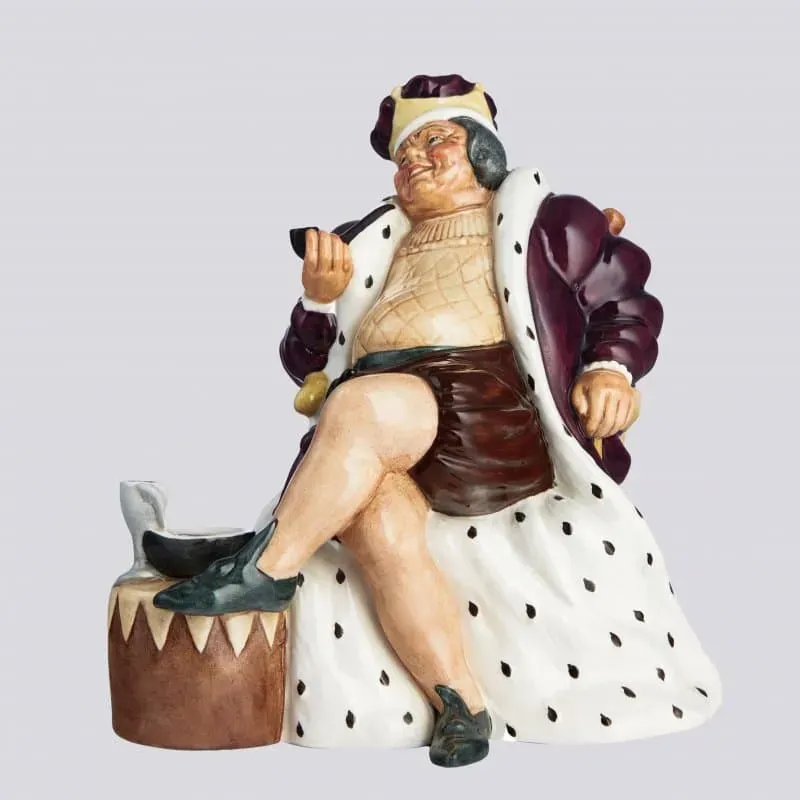
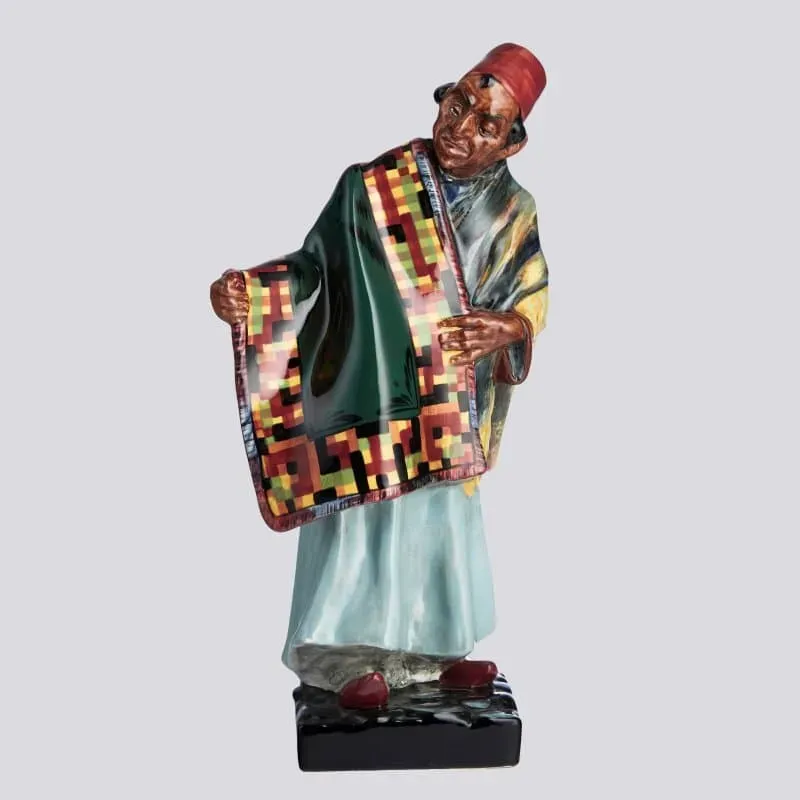
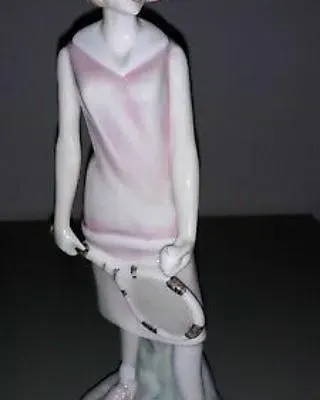
The creation of Royal Doulton porcelain figurines. The creation of a porcelain figurine begins with the development of an artistic concept. After the artist makes a sketch or drawing, a modeler uses molding clay to create a model. The model consists of several parts; complex models are assembled from more than 30 pieces. The molds for the parts are porous on the inside, absorbing moisture and ensuring even distribution of the clay. After drying, the parts are removed from the molds and joined together. The seams are carefully cleaned and washed. The next stage is the first firing. Interestingly, due to the evaporation of moisture, the figurine noticeably shrinks in size.
Porcelain acquires its hardness and final form. Then the figurine is dipped in glaze and fired a second time. It is painted, fired again, and covered with glaze. Several stages of painting, alternating with short firings, are necessary to achieve the pearlescent shades characteristic of Royal Doulton. It is especially worth noting that only artists with at least 10 years of experience at the manufactory were allowed to paint the faces of the figurines.