Porcelain, earthenware, ceramics
Rosenthal (Rosenthal)
Porcelain Factory
Factory founded in 1879.
Today, the Rosenthal porcelain manufacturing company is one of the largest and most renowned in Europe, even though, unlike many other factories founded as early as the 18th century, it has existed for less than a hundred years.
The very first factory was built in 1879 by Philipp Rosenthal in the small village of Selb in Bavaria. Selb is an old center of porcelain production—since 1763, there was a branch of the Berlin manufactory there, and in the 20th century, several more enterprises emerged.
The Rosenthal factory appeared during the heyday of Imperial Germany, and thanks to the talented entrepreneurship of its founder, it quickly expanded its operations. The Rosenthal factory became a joint-stock company and, by incorporating several other factories into its firm, became a powerful concern in the 1920s, dominating the world market. The following factories are part of this giant: "Selb-Plössberg" (formerly "Selb-Bahnhof"), founded in 1867; "Kronach" (Bavaria), founded in 1897; "Munich Hand-Painted Porcelain Factory" "Thomas & Co." in Marktredwitz (Bavaria), founded in 1903 and incorporated in 1908; "Thomas & Co." in Sophienthal (near Bayreuth), founded in 1907, joined the concern in 1936; the Krister porcelain manufactory, founded in 1831 (until 1945 in Walbrzych, since 1952 the company resumed operations in Landstuhl in the Palatinate).
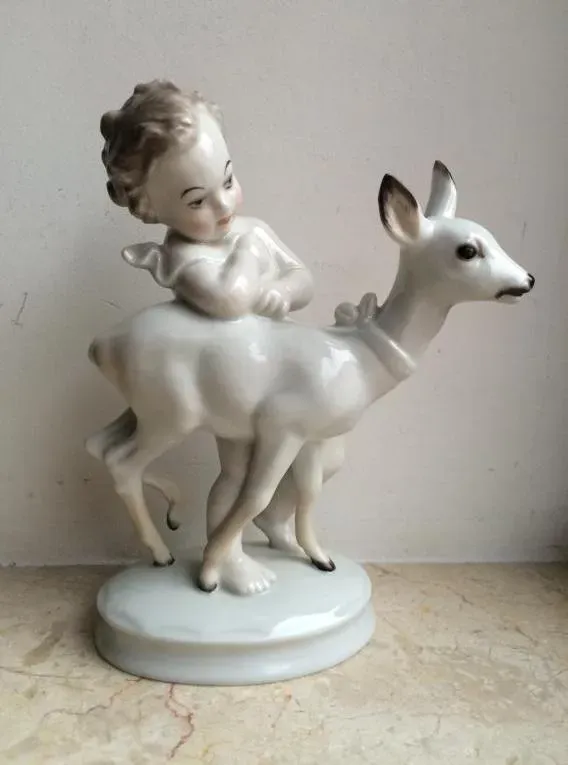
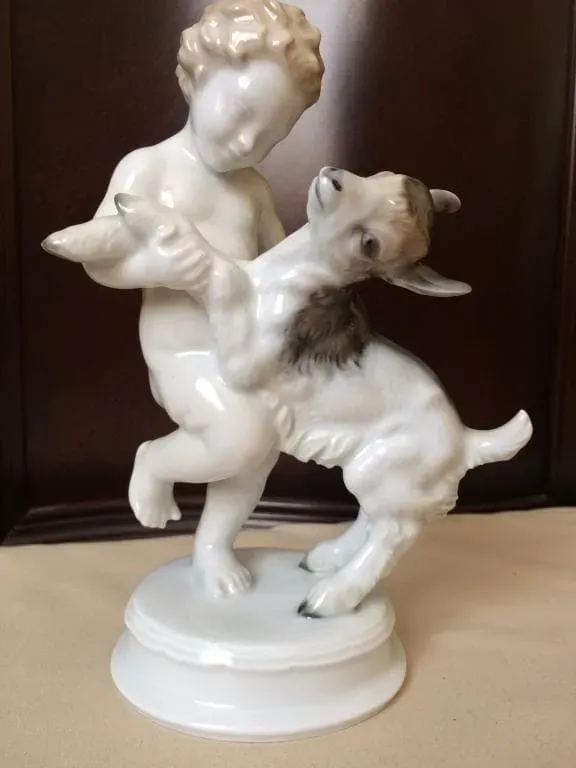
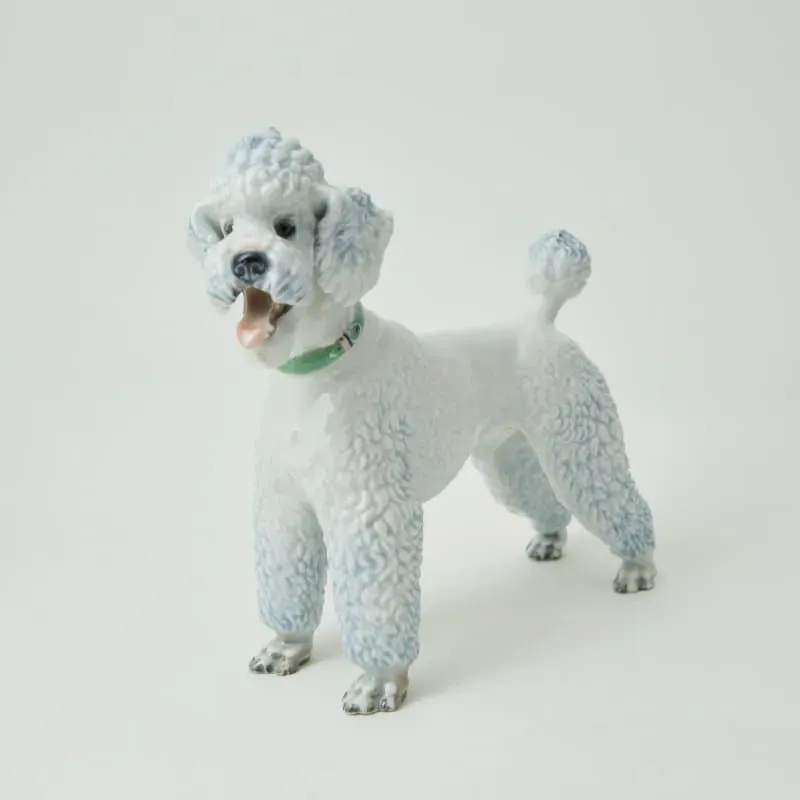
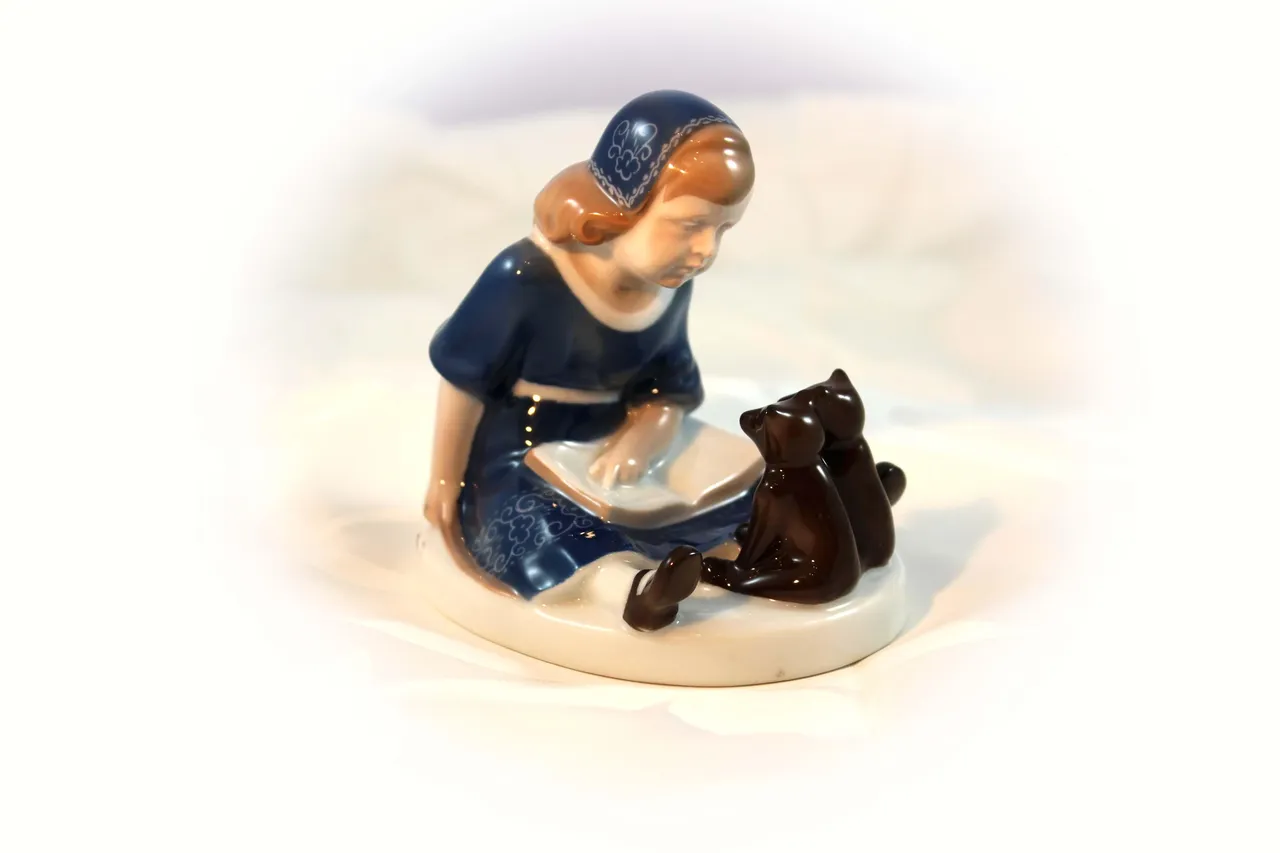
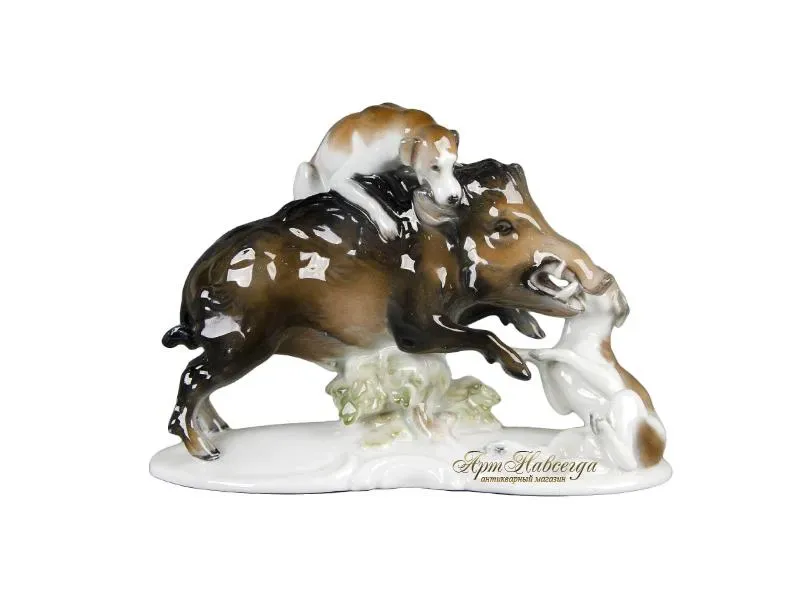
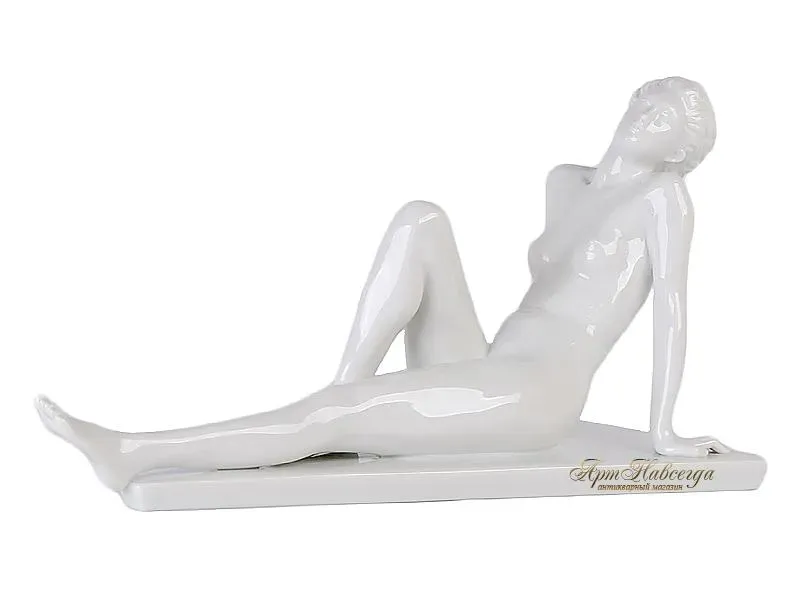
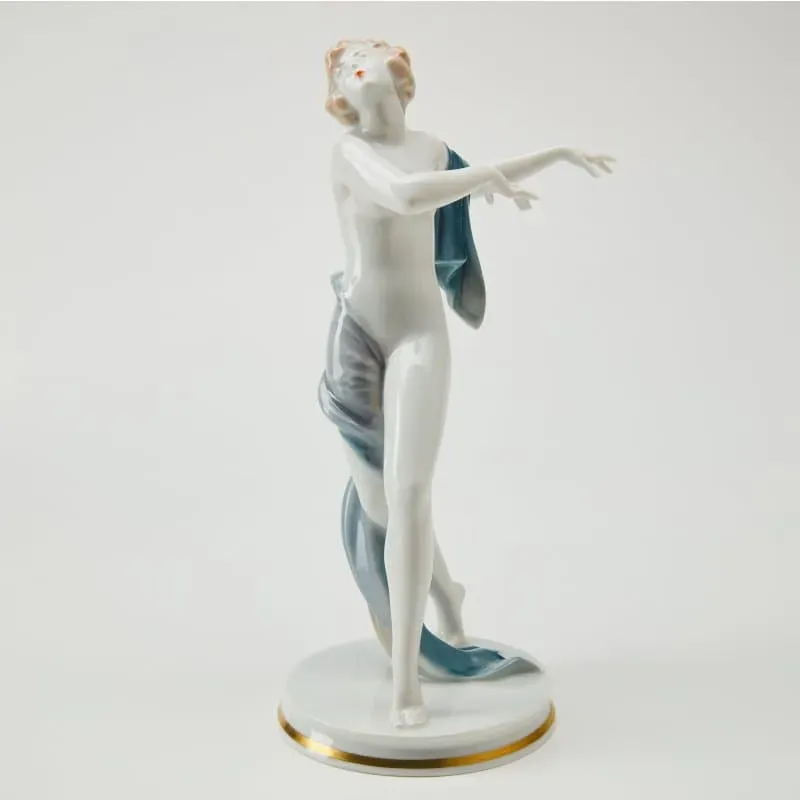
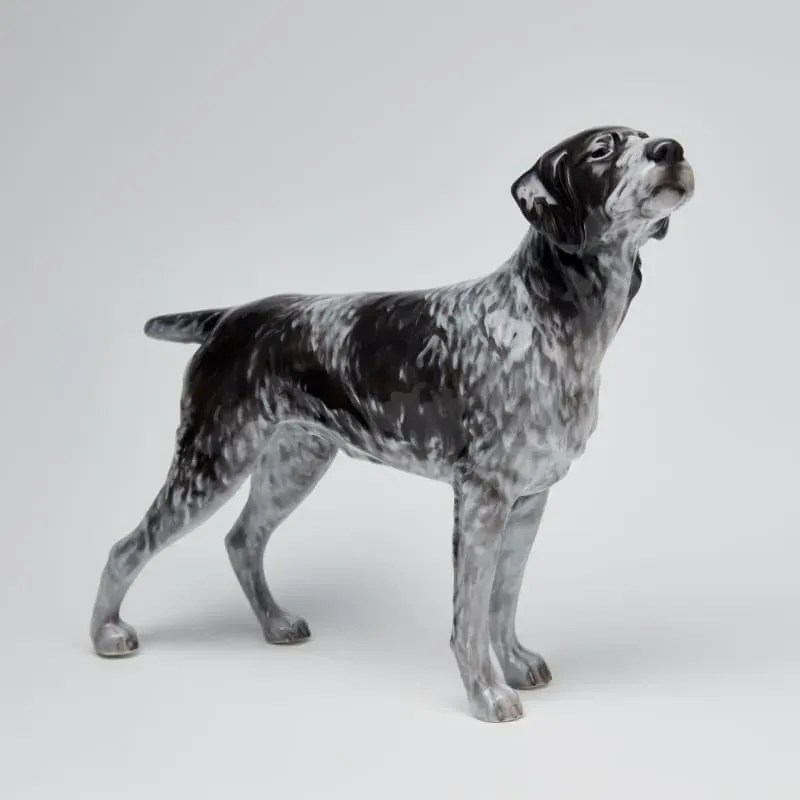
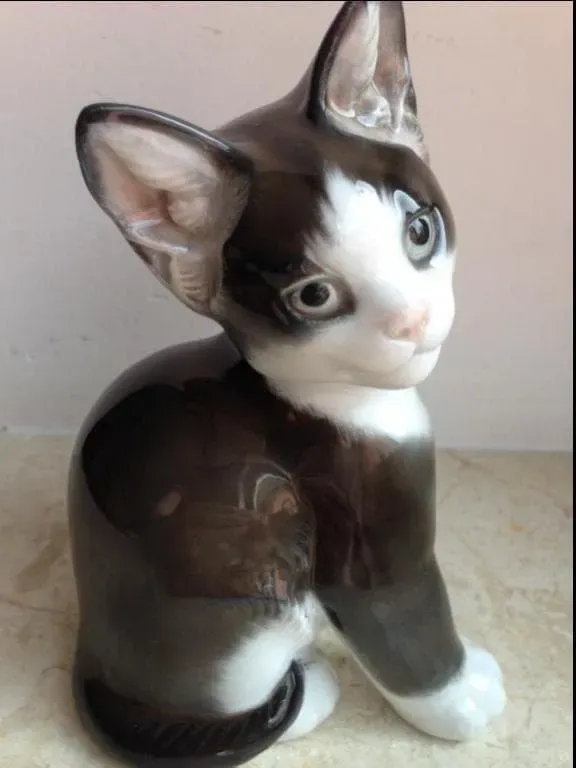
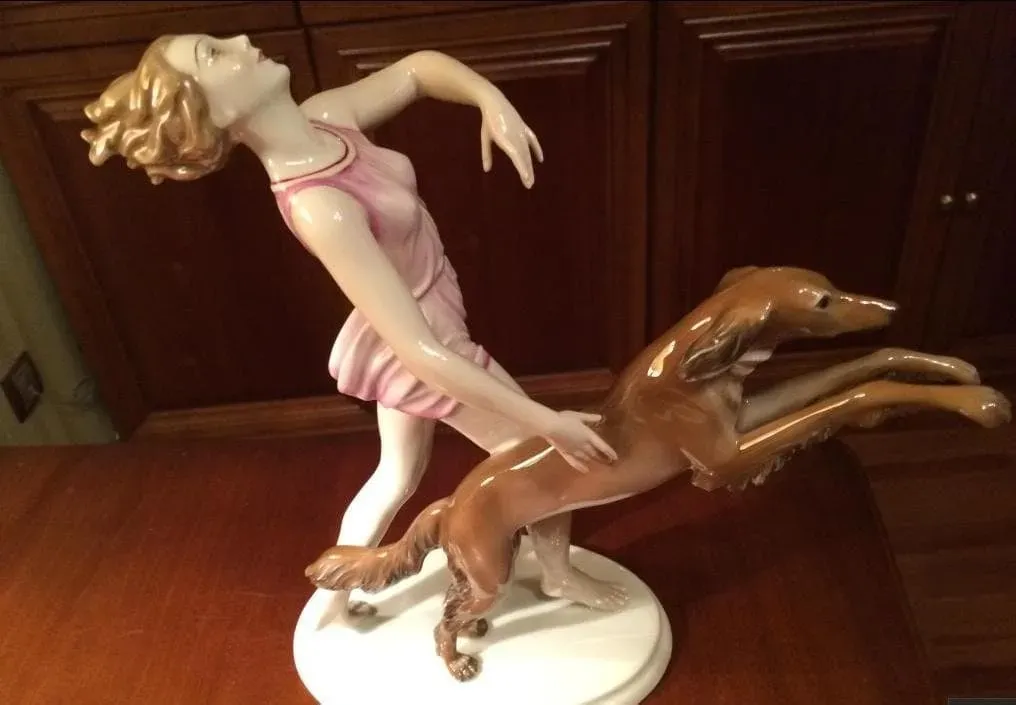
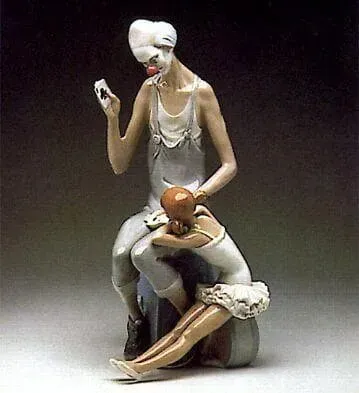
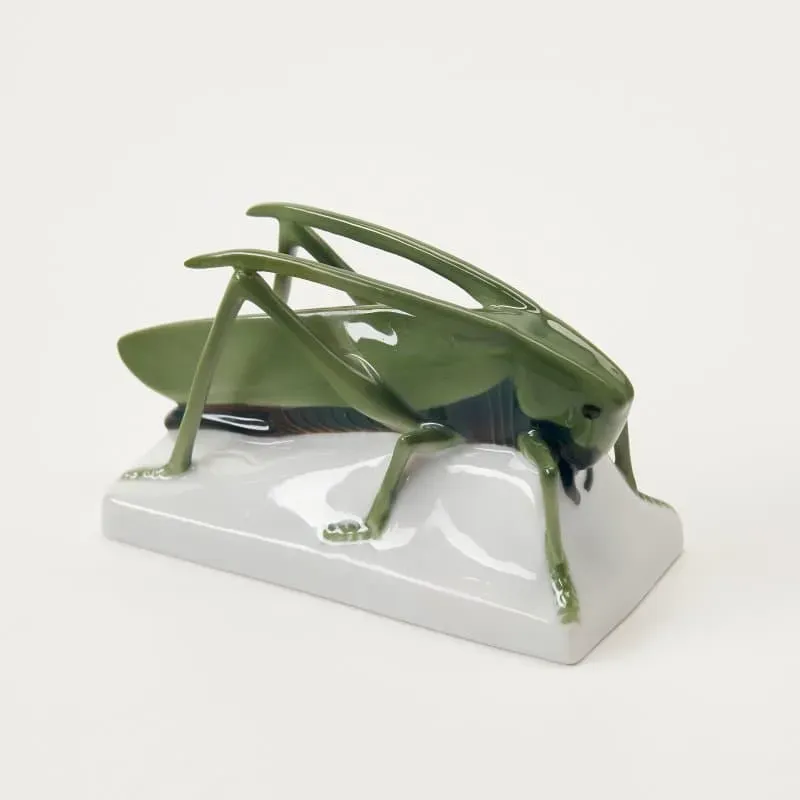
The concern, managed by Philipp Rosenthal Jr., currently employs five thousand five hundred people, and in addition to manufacturing facilities, it has its own retail network and numerous foreign representatives. The quality of the porcelain is extremely high: its whiteness and translucency are the highest in the world. The range of products from the Rosenthal factory is very broad—from luxurious dinnerware and coffee and tea sets to technical items. Of the many models of sets, the most famous are: "Maria" and "Sanssouci." One of Rosenthal’s innovations was porcelain coated with a thin layer of metal: copper, nickel, or silver. However, despite its greater strength and longer heat retention, this type of porcelain was not accepted by the market. Coffee sets richly decorated with enamel and cups gilded inside became very popular. But they serve more as decoration for cabinets than for everyday use. Among other products, it is worth mentioning large decorative plates, flower vases of various shapes and sizes, candlesticks, bonbonnières, and figurines on various themes (female figures, cupids, birds, dogs, bunnies, etc.). In addition to porcelain, Rosenthal also produces items made of ceramic clay, among which the most successful are heat-resistant kitchenware. The technical and artistic level of Rosenthal porcelain has always been and remains extremely high. The design departments of the concern are constantly improving shapes and decoration. If old traditional patterns are used, their composition is modernized. Porcelain figurines made by famous sculptors are similar to those from Copenhagen. Hand-painted items have the inscription "hand-painted" (handgemalt) next to the factory mark, and sometimes the artist’s surname.
 Since 1879.
 Since 1879, printed marking in green was used.
 @media screen and (max-width: 767px) { .block_masonry.fade-in .block { line-height: 1.0; } }