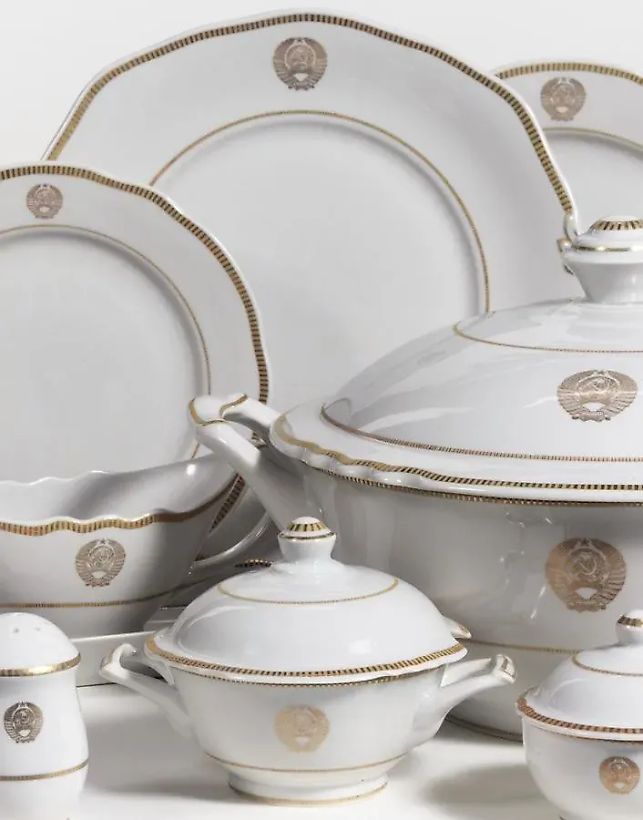
CERAMIC DINNERWARE SET, DULEVO, 1952-1962.
Description
Two large tureens with lids and stands, two nozzles, a salad bowl, twelve dinner plates, eleven soup bowls, twelve fruit plates, twelve side dishes, two sauce boats, two sugar bowls (one with a lid), two sauceboats with lids, and a pair of spice molds, each decorated with a hammer and sickle surrounded by a sheaf of corn, bearing the gold mark of the manufactory. Quantity: 69.
From the Ambassador of the USSR in Helsinki, circa 1952.
Note: This dinner set was produced at a pivotal moment in the post-war development of Russian-Finnish diplomatic and economic relations. The countries were ideologically diverse, yet Finland's consistently friendly foreign policy facilitated the signing of the Agreement on Friendship, Cooperation, and Mutual Assistance between Finland and the USSR in 1948.
This agreement was renewed in 1955, 1970, and 1983. Trade between the two countries was and remains extremely important, especially after the cessation of reparations payments in 1950. However, diplomatic relations were not without complications. Following the 1958 elections, a Finnish government was formed under Social Democrat Karl-August Fagerholm, including members considered anti-Soviet. In response, the Soviet Union recalled its ambassador and, presumably, this Soviet dinner service until the Finnish government was restructured and relations stabilized.
Dulevo Porcelain Factory
Additional lots
Lot No. 12983 Bowl cut
Dulevo Porcelain Factory
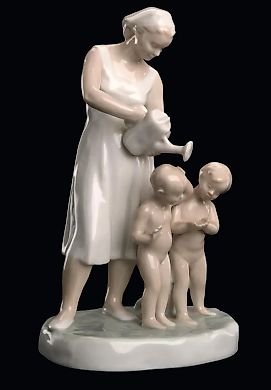
Lot No. 14958 SOVIET PORCELAIN FIGURAL GROUP "HOT DAY", DESIG…
Dulevo Porcelain Factory
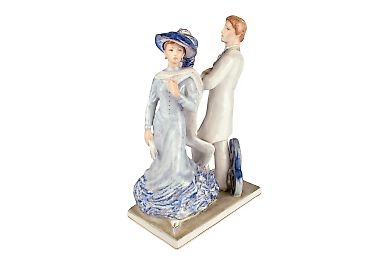
Lot No. 12923 Meeting with a beautiful lady
Dulevo Porcelain Factory
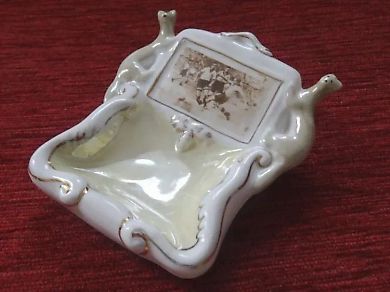
Lot No. 15028 Ashtray - Dulevo. 1959, porcelain, 10x9 cm.
Dulevo Porcelain Factory
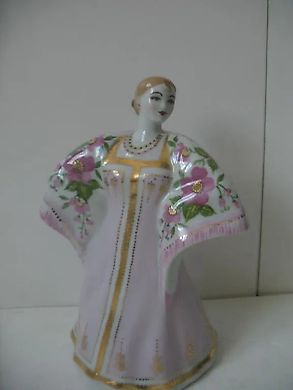
Lot No. 12785 Russian dance
Dulevo Porcelain Factory
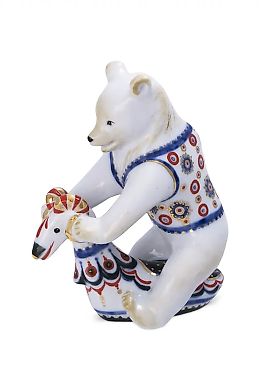
Lot No. 12973 Circus bear
Dulevo Porcelain Factory
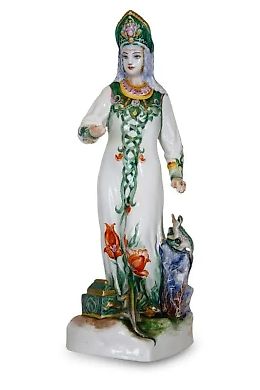
Lot No. 13775 The Gifts of the Mistress of the Copper Mountain
Dulevo Porcelain Factory
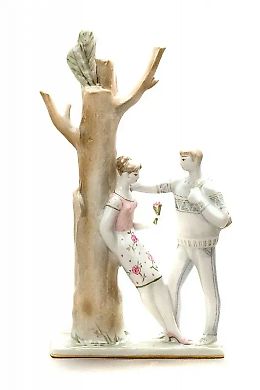
Lot No. 12984 Moscow Suburb Evenings
Dulevo Porcelain Factory
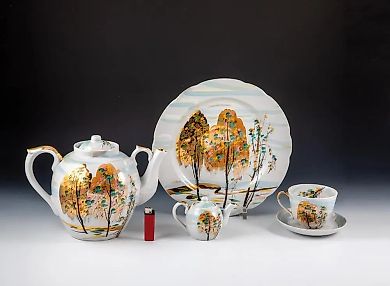
Lot No. 14975 Porcelain set "Autumn Colors"
Dulevo Porcelain Factory
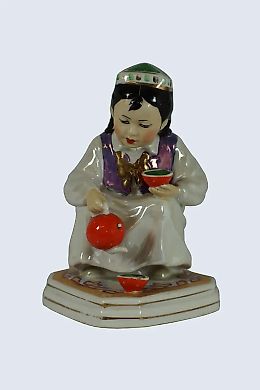
Lot No. 14934 An antique Russian Soviet porcelain figurine fr…
Dulevo Porcelain Factory
Similar lots
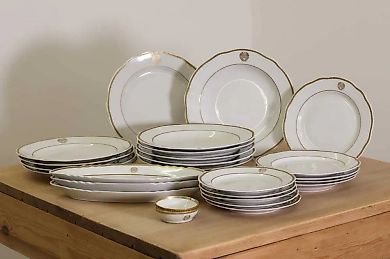
Lot No. 15066 A porcelain dinner set from the Russian Embassy…
Dulevo Porcelain Factory
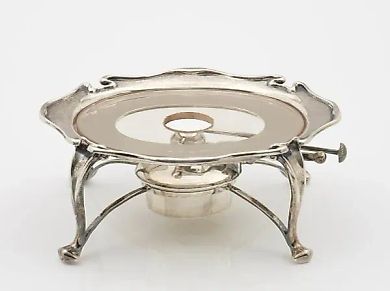
Lot No. 14502 Scottish silver rechauffe
William Mackay
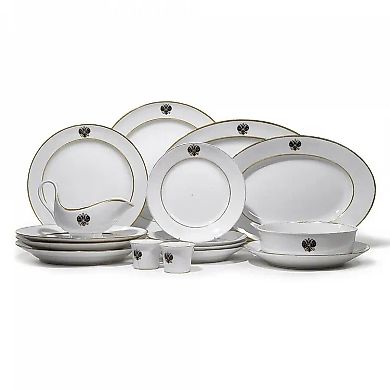
Lot No. 15633 Porcelain from the coronation service of Alexan…
Kuznetsova M.S. society
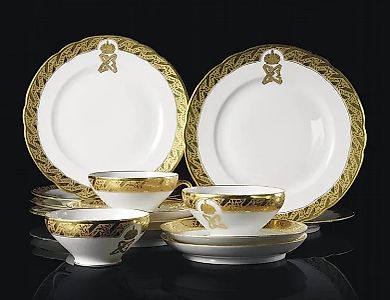
Lot No. 15908 Porcelain dessert dinner set
Kuznetsova M.S. society
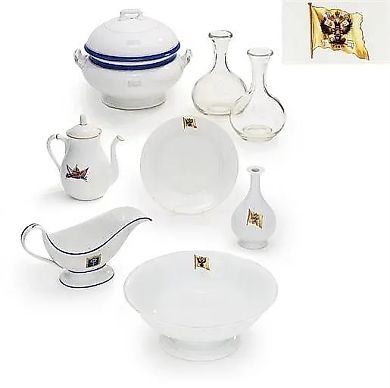
Lot No. 15312 A collection of porcelain and glassware from th…
Kuznetsova M.S. society
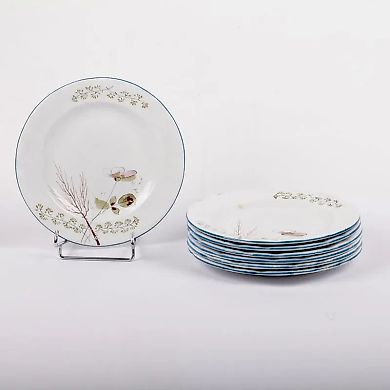
Lot No. 15787 Porcelain plates with painting from the Kuznets…
Kuznetsova M.S. society
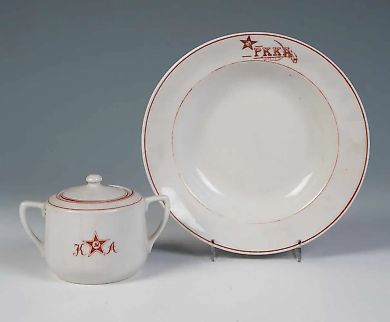
Lot No. 15031 Plate and sugar bowl of the Red Army, Dulevo, c…
Dulevo Porcelain Factory