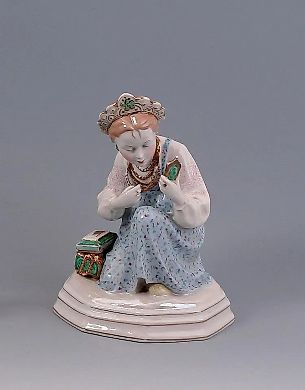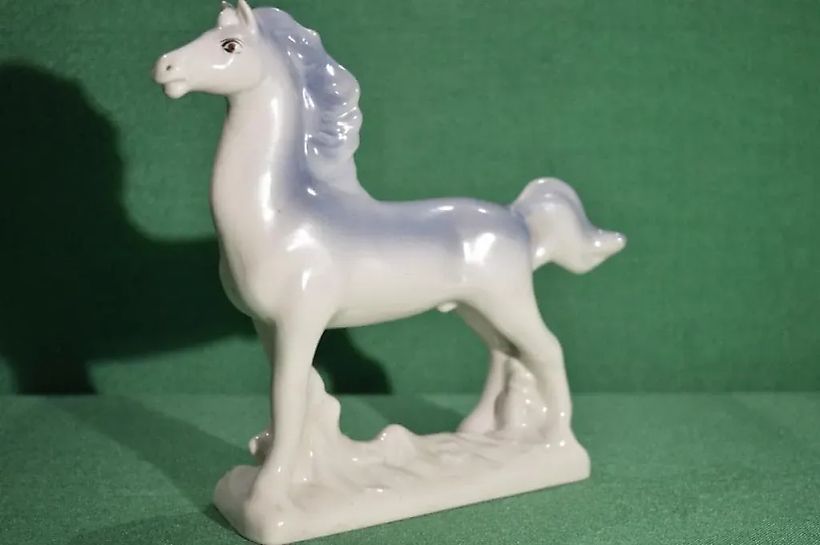
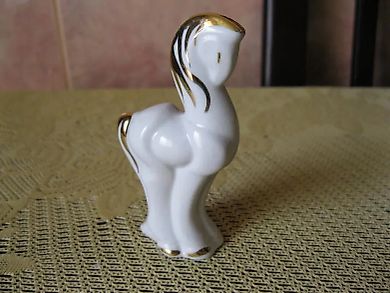
Statuette "Horse". Polonsky Artistic Ceramics Factory
Description
Porcelain Figurine "Horse." Polonne Artistic Ceramics Factory. USSR.
Height: 21.9 cm.
Length: 24.0 cm.
The first mention of the city of Polonne dates back to 996. It was among the oldest settlements in Volhynia. The name of the city can be found in the so-called Hypatian Chronicle of 1171. It was assigned to the Kyiv Tithe Church and was called Polonny Town of the Tithe Mother of God.
After this, the name of the city appears repeatedly in numerous historical documents in various forms: Polonne, Polonne, Polny. In 1898, as stated in the Brockhaus and Efron Encyclopedic Dictionary, Polonne had more than 10,000 inhabitants. The city had 9 Orthodox churches, a Catholic church, and two synagogues, two schools, faience and porcelain factories, two large mills, several shops, markets, and fairs. As we can see, the existence of faience and porcelain factories in the city is already mentioned in documents from the end of the last century. This refers to the former faience factory of the capitalist Zusman, founded in the area of the Polonne station on the site of the current enterprise. As for the porcelain factory, this refers to a small artisanal enterprise for the production of porcelain items, which existed in the village of Goroshki (currently, the village has become part of the city). The enterprise was located on an area of 1.50 hectares, and its entire territory was fenced off with a high fence.
This enterprise can rightfully be considered the predecessor of the Polonne Artistic Ceramics Factory, which is now located in another part of the city. It should be noted that the names of the factories—faience and porcelain—as given in the encyclopedic dictionary are rather conditional. At different times, these two small enterprises were called by different names. The porcelain factory was often called ceramic, doll, and the faience factory, on the contrary, was called porcelain, and then, in 1923, when it resumed operation after the Civil War, the Porcelain and Porcelain Factory named after Profintern. On October 1, 1956, the enterprise was transferred to the state system, and from that moment the cooperative "Keramik" was renamed the Polonne Artistic Ceramics Factory.
Polonsky Porcelain Factory
Additional lots
Lot No. 13869 Young skier
Polonsky Porcelain Factory
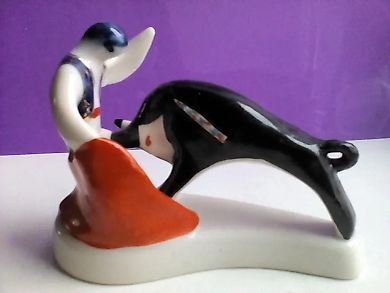
Lot No. 12609 Toreador Corrida
Polonsky Porcelain Factory
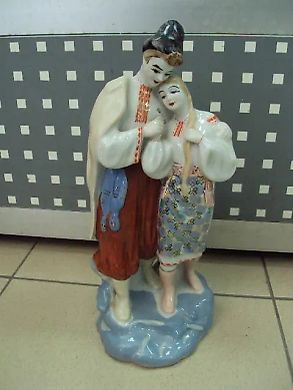
Lot No. 12819 A May night, a couple in love
Polonsky Porcelain Factory
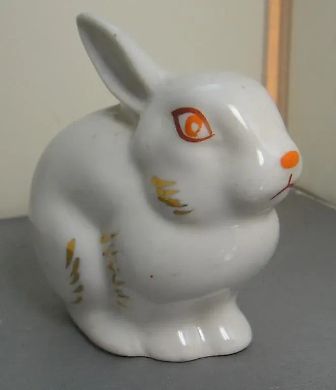
Lot No. 12600 Rabbit, Polonnoye
Polonsky Porcelain Factory
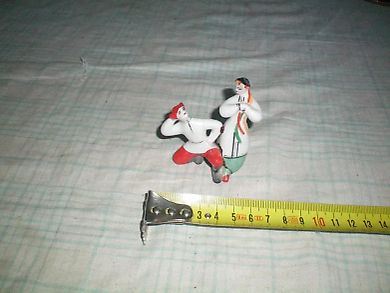
Lot No. 13061 Dancer with a Budyonovka
Polonsky Porcelain Factory
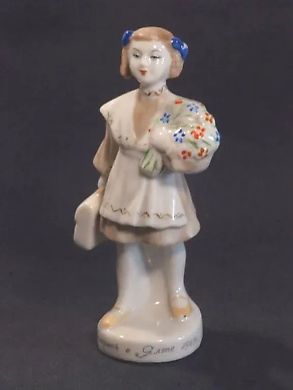
Lot No. 13042 Girl with a portfolio
Polonsky Porcelain Factory
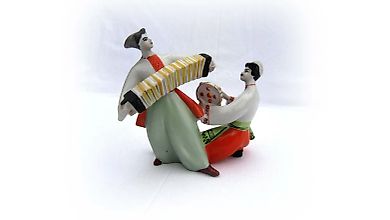
Lot No. 13951 Ukrainian dance, Hopak
Polonsky Porcelain Factory
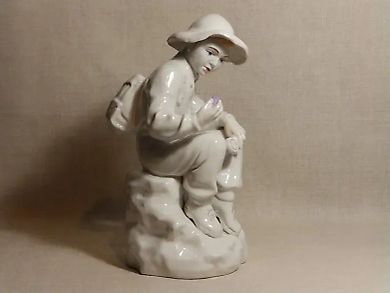
Lot No. 12880 Young geologist
Polonsky Porcelain Factory
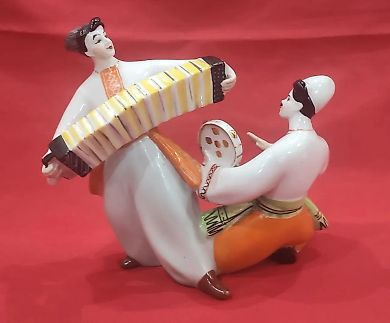
Lot No. 13011 Hopak with tambourine and accordion
Polonsky Porcelain Factory
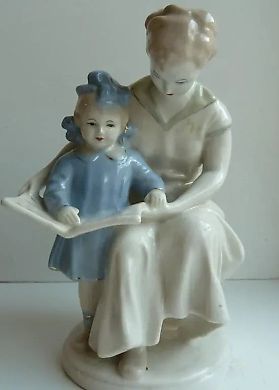
Lot No. 13010 MOTHER WITH DAUGHTER
Polonsky Porcelain Factory
Similar lots
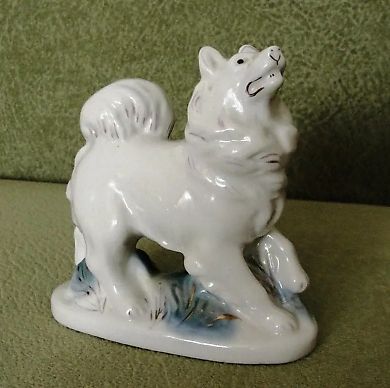
Lot No. 13786 Figurine "DOG - LAIKA"
Gzhel
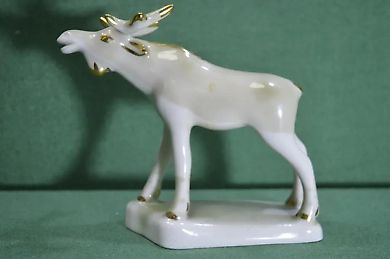
Lot No. 12842 Elk
Polonsky Porcelain Factory
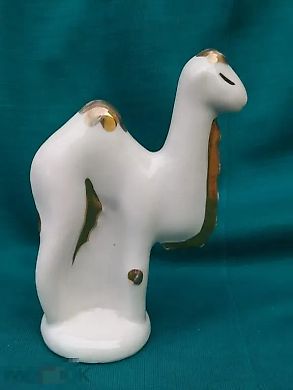
Lot No. 12766 Camel
Tselinograd Porcelain Factory
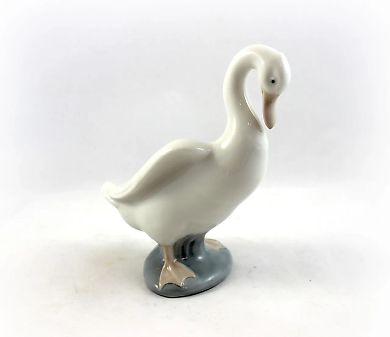
Lot No. 13942 Gosling
Lladro
Lot No. 13043 Horse
Riga Porcelain and Faience Factory

Lot No. 12603 Boy with balloons To the parade
Lomonosov Leningrad Plant